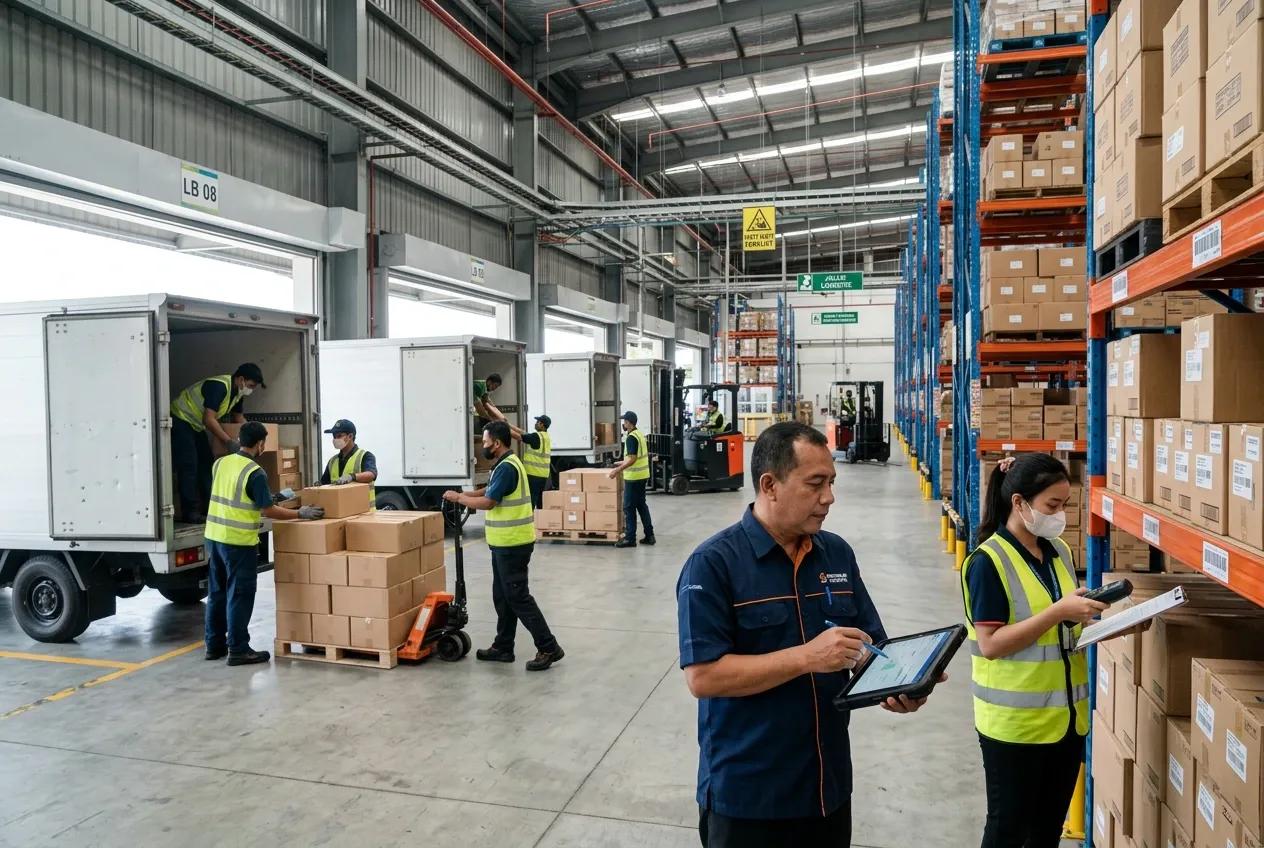
FMCG companies handle a high volume of transactions every day. As the number of products, customers, sales teams, and deliveries grows, keeping these processes coordinated across teams becomes increasingly important.
Managing distribution activities manually can take significant time. Sales data, inventory, orders, and delivery records need to be recorded and updated regularly, creating room for errors.
FMCG companies also face risks related to missing stock, unauthorized product movement, and fraud. Without clear visibility into daily activities, identifying where an issue occurs can take time and affect the accuracy of business records.
A Distribution Management System (DMS) connects key distribution processes in one system, from sales and inventory to order and delivery management. With real-time access to operational data, teams can track daily activities, identify issues, and keep distribution records up to date.
Distribution Management System (DMS)
A Distribution Management System (DMS) helps businesses manage their daily distribution operations in one system. It covers activities such as taking orders, managing stock, processing deliveries, and tracking sales.
Instead of recording each activity separately, teams can work with the same information across sales, warehouse, and delivery operations. The system also reduces manual data entry and keeps transaction records updated.
A DMS can include features such as inventory management, sales order management, warehouse management, sales visit tracking, delivery management, and sales reporting. These functions give businesses a clear view of sales, stock, orders, and deliveries as they happen.
The Role of Distribution Management System in FMCG Business
A Distribution Management System (DMS) plays an important role in FMCG operations, where sales activities involve frequent orders, product movement, and field visits. DMS helps digitize and automate key sales and distribution processes, giving teams access to transaction data as activities take place.
Sales teams can use DMS to take orders, plan sales visits, manage customer information, and record activities in the field. Warehouse and inventory teams can monitor stock levels and product movement, while sales teams and managers can review sales reports and performance.
With sales, inventory, field activities, and reporting connected in one platform, DMS helps FMCG companies manage high transaction volumes without relying heavily on manual work. Teams can also access the information they need to monitor daily operations and make decisions based on actual data.
Benefits of Distribution Management System for FMCG
The following are key benefits of using a Distribution Management System (DMS) in FMCG operations:
- Transparent Distribution Processes
Sales and distribution data can be accessed in real time through a DMS. Information such as product details, customer data, sales orders, and reports can be viewed without waiting for manual reports from field teams. - Better Inventory Management
Real-time sales and stock information helps managers and supervisors monitor inventory levels and product movement. Teams can also review sales patterns and use current demand to plan inventory and replenishment. - Reduce Operational Costs
DMS can reduce administrative work related to sales records, reporting, and data entry. Digital transaction records also help reduce potential losses from missing products, stock count differences, and unauthorized product movement.
How BOSNET Supports FMCG Distribution
BOSNET Distribution Management System (DMS) is designed to help FMCG companies increase revenue and reduce costs through integrated sales and distribution processes. Here is how BOSNET DMS supports these two key business goals:
- Increase Revenue
Real-time sales data helps managers monitor orders, customer activity, and product demand. Sales teams can record orders and customer visits through mobile applications, while sales reports give managers timely information for reviewing performance and identifying sales opportunities. - Reduce Cost
DMS helps reduce costs by digitalizing sales processes, automating reporting, and reducing manual data entry. Inventory and stock monitoring can also help reduce product losses, while route management helps manage delivery schedules and transportation expenses.
A Distribution Management System is a key solution for FMCG companies to manage complex and dynamic distribution operations. BOSNET DMS is designed to address real operational challenges in the field, helping businesses increase revenue and reduce costs.
Contact us to learn how BOSNET DMS can support your FMCG distribution operations.
#BOSNET #BestFMCGRunsBOSNET #Distribution #SupplyChain #IncreaseRevenue #ReduceCost