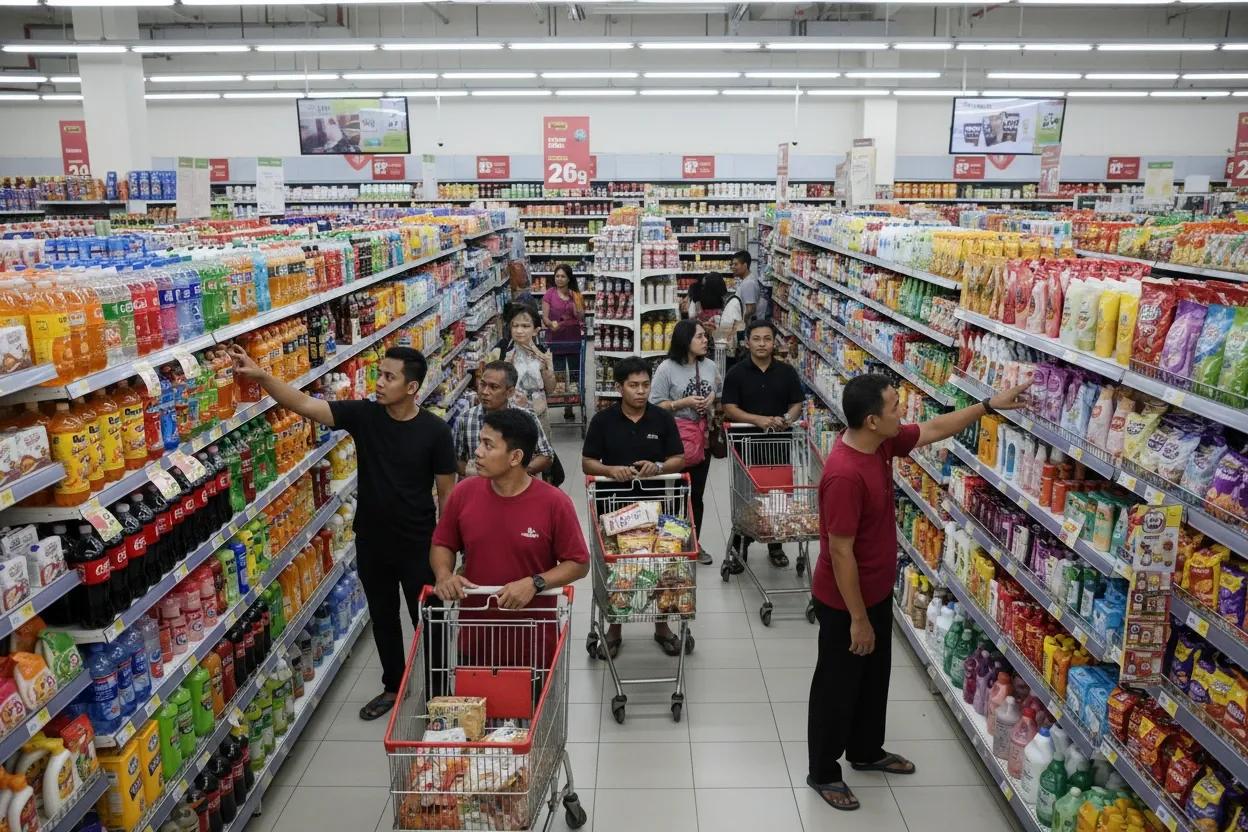
Consumer goods are products purchased and used directly by end consumers to meet their daily needs. As consumer demand continues to change, businesses must ensure their products remain available, accessible, and relevant to their target market.
However, success in the consumer goods industry requires more than just offering quality products. Companies must understand consumer behavior, provide a positive customer experience, and implement an efficient distribution strategy to remain competitive and drive sales growth.
Definition of Consumer Goods
Consumer goods are products manufactured for direct use by end consumers without requiring any additional commercial processing. In other words, they are finished products that are ready to be purchased and used immediately after sale.
Consumer goods can be found in everyday life across a wide range of categories. Durable consumer goods include household appliances, electronic devices, and clothing, which are designed for repeated use over an extended period. Non-durable consumer goods, on the other hand, include packaged food and beverages that are consumed within a shorter timeframe.
As products purchased for personal use, consumer goods play an important role in meeting daily consumer needs and driving demand across retail and distribution channels.
Types and Examples of Consumer Goods
Consumer goods can be categorized in several ways. One common classification is based on product durability, while another is based on consumer purchasing behavior.
Based on Product Durability
- Durable Goods
Durable goods are products designed for long-term use and typically provide value for more than three years. These products continue to deliver benefits over an extended period and do not lose their functionality after a single use.
Examples of durable goods include:
• Furniture
• Electronic devices and appliances
• Stationery and office supplies - Non-Durable Goods
Non-durable goods have a shorter lifespan and are typically consumed within a relatively short period, often less than two years. Many of these products are intended for one-time use or are depleted after consumption.
Examples of non-durable goods include:
• Packaged food and beverages
• Canned food and drinks
Since these products are purchased frequently, availability and distribution efficiency play an important role in meeting consumer demand.
Based on Consumer Purchasing Behavior
Consumer goods can also be classified according to how consumers purchase and use them. The four main categories are convenience goods, shopping goods, specialty goods, and unsought goods.
- Convenience Goods
Convenience goods are products that consumers purchase regularly with minimal planning or comparison. They are widely available and are usually purchased as part of daily routines.
Examples include:
• Cigarettes
• Bread
• Dairy products
• Soap
• Toothpaste - Shopping Goods
Shopping goods are products that consumers purchase less frequently and typically involve greater consideration before buying. Consumers often compare quality, features, and prices before making a decision. - Specialty Goods
Specialty goods are products with unique characteristics, premium value, or a well-established brand reputation. Consumers are often willing to invest additional time and resources to obtain these products. - Unsought Goods
Unsought goods are products that consumers do not actively think about purchasing until a specific need arises. These purchases are often associated with protection against unexpected events or future risks.
Fast-Moving Consumer Goods (FMCG)
Fast-Moving Consumer Goods (FMCG) are products that sell quickly, have relatively affordable prices, and are purchased frequently by consumers.
Due to their high demand, FMCG products often move rapidly through retail and distribution channels. Inventory turnover is generally high, requiring manufacturers and distributors to maintain consistent product availability to meet market demand.
Consumer Goods Industry
FMCG industries in Indonesia cover a wide range of sectors that produce and distribute products used in daily life. Below are some of the largest fast-moving industries in Indonesia.
- Food
The food industry includes packaged foods, snacks, and perishable goods. These products are essential for daily consumption and are widely available in supermarkets, minimarkets, and traditional stores across Indonesia. - Beverage
This industry covers a variety of drinks, ranging from soft drinks and juices to bottled water and alcoholic beverages. - Pharmaceutical
The pharmaceutical sector includes medicines, health supplements, and various healthcare products. - Personal Care and Cosmetics
This industry consists of skincare, beauty, and hygiene products such as soap, shampoo, toothpaste, and makeup. - Cigarette and Tobacco
Includes regulated products such as cigarettes and other tobacco-based goods. - Automotive Supporting
Provides fast-moving automotive products, including spare parts, lubricants, and other vehicle components. - Building Material
Distributing construction materials, tools, and hardware supplies. - Other FMCG Distributors
This category includes distributors that handle a range of household essentials, packaged goods, and snacks.
Strategies Used in Consumer Goods Business
- Market Segmentation
One of the first steps in building a consumer goods strategy is market segmentation. By dividing consumers into specific groups based on demographics, preferences, purchasing behavior, or lifestyle, businesses can develop products and marketing campaigns that align with the needs of their target audience.
A well-defined market segment also helps companies allocate resources efficiently and improve product positioning in a competitive market. - Deliver Excellent Customer Service
Consumers play a central role in the consumer goods industry. As a result, providing a positive customer experience is essential for attracting and retaining customers.
Responsive service, consistent product quality, and a reliable purchasing experience can increase customer satisfaction and encourage repeat purchases. Over time, positive customer experiences can contribute to brand loyalty and long-term business growth. - Develop an Efficient Distribution Strategy
Products must be available across the right sales channels and delivered to retailers or consumers within the required timeframe.
An efficient distribution network helps businesses maintain product availability, reduce stock shortages, and support sales growth. By planning distribution activities carefully, companies can ensure products reach the market quickly and remain accessible to consumers.
BOSNET Solution For Distributing Consumer Goods
BOSNET provides an integrated suite of solutions that helps improve productivity, increase visibility, and manage distribution activities across the business.
- Distribution Management System (DMS)
Distribution Management System (DMS) is a core solution designed to manage and automate distribution processes end-to-end. Built for distributors with high transaction volumes and complex operational requirements, DMS centralizes key distribution activities into a single platform. - Mobile Distribution
Mobile Distribution is a mobile application designed to help field sales teams manage customer visits and sales activities.
The application provides visibility into field operations, standardizes sales reporting, and enables sales representatives to record activities directly on their mobile devices. As a result, businesses can monitor performance, improve execution, and identify sales opportunities more effectively. - Warehouse Management System (WMS)
Warehouse Management System (WMS) helps distributors manage warehouse operations and inventory movement with greater accuracy.
The solution supports stock management, product tracking, inbound and outbound processes, and order fulfillment activities. - Smart Route
By analyzing delivery schedules, customer locations, and route data, the system generates efficient route plans that help reduce travel time, improve delivery performance, and increase field team productivity. - Mobile Delivery
Mobile Delivery enables drivers and delivery teams to manage distribution activities directly from their mobile devices. The solution provides real-time delivery tracking, digital proof of delivery, and delivery confirmation.
150+ Renowned Brands Trust BOSNET for Their Distribution
Over 150 brands rely on BOSNET to manage their distribution and sales processes efficiently. BOSNET provides an end-to-end solution for distributors to track operations, performance, and sales in real time.
Contact us to see how BOSNET can streamline your operations and deliver real-time visibility across your distribution network.
#BOSNET #BestFMCGRunsBOSNET #Distribution #SupplyChain #IncreaseRevenue #ReduceCost