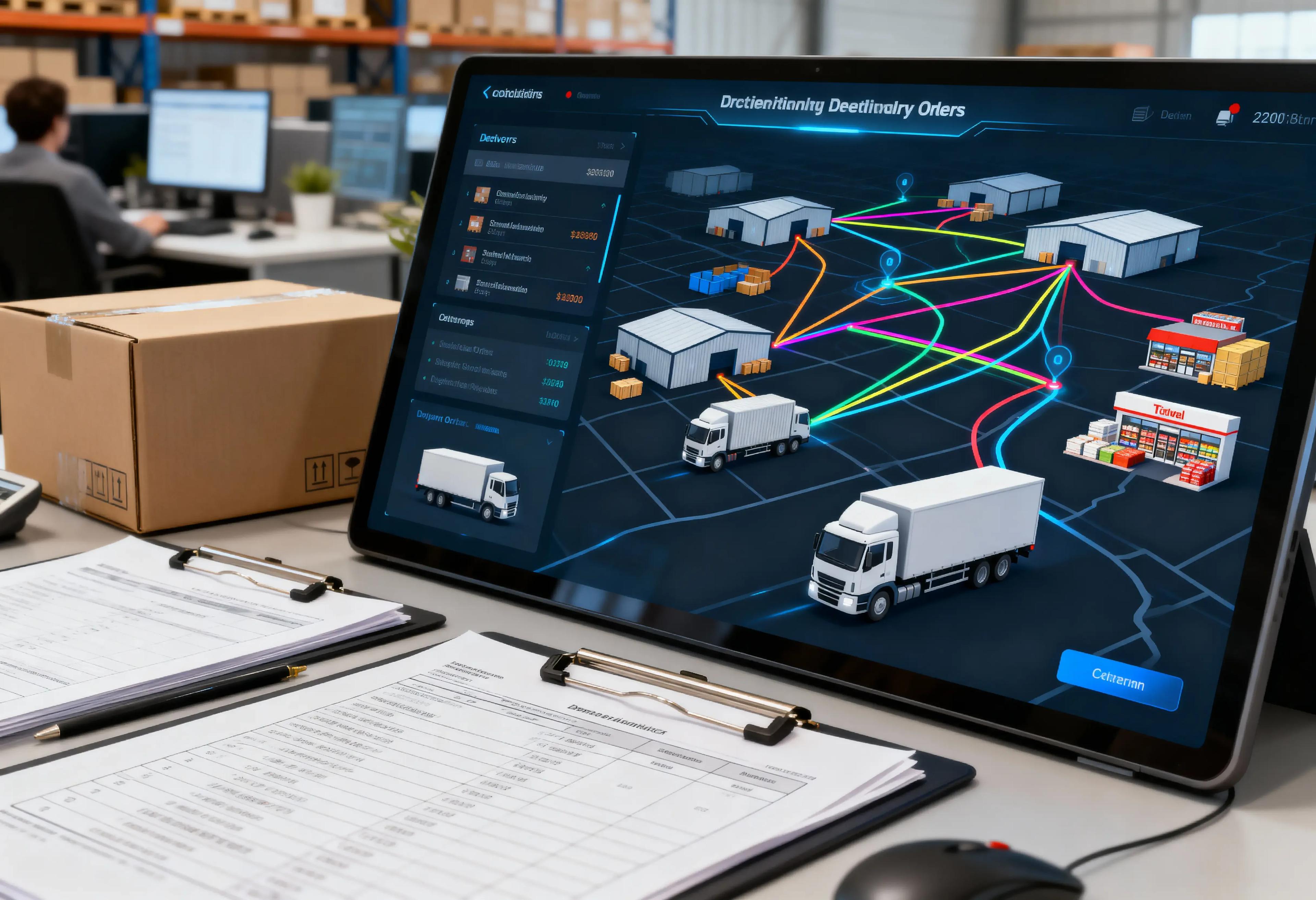
Efficient delivery assignment management has become a critical challenge for many businesses. Companies must meet tight deadlines while maintaining accuracy, cost-effectiveness, and customer satisfaction. Relying on manual methods to assign orders to drivers or warehouses can be slow and error-prone.
As order volumes grow, a structured delivery assignment process becomes essential. Without it, delays and incorrect deliveries can occur, leading to higher operational costs and dissatisfied customers. Understanding and implementing this process is key for businesses aiming to optimize efficiency, minimize errors, and enhance fleet delivery.
What is a Delivery Assignment?
A Delivery Assignment is the process of assigning orders, tasks, or inventory to specific drivers, fleet, or warehouses within a supply chain or delivery network. It is often managed through digital platforms to improve efficiency.
The process includes determining delivery methods, scheduling, and planning routes to ensure timely and optimized distribution. Delivery assignments also involve allocating items, setting up delivery templates, and tracking shipments, typically using a Distribution Management System (DMS).
Role of Delivery Assignment
- Automation
Delivery assignments are crucial for automating the allocation of orders to drivers or vehicles. By leveraging algorithms and digital systems, companies can automatically generate delivery plans and assign orders, significantly reducing the time and effort needed for manual planning. - Real-time Tracking
Once a delivery is assigned, tracking its progress becomes more efficient. Delivery assignments allow both the company and customers to monitor shipments in real time, providing updates on location and estimated arrival times. - Route Optimization
Using AI, the system can determine the fastest or most cost-effective paths for drivers, reducing fuel consumption and travel time. Optimized assignments ensure deliveries are completed promptly while minimizing the company's operational costs. - Load Planning
Proper load planning ensures that no driver or vehicle is overloaded and that deliveries are distributed evenly. This prevents delays, reduces vehicle wear and tear, and helps maintain a steady, manageable workflow for the delivery team.
Delivery Assignment Process
Below is the general process of delivering assignments in business operations:
- Order Receiving and Batching
The process begins when a customer places an order, which is entered into the system at the order creation stage. During validation and sorting, each order is reviewed based on delivery address, package size, and urgency to ensure it is handled appropriately.
Finally, in the warehouse assignment, the system selects the most suitable warehouse or fulfillment center for the order based on the delivery location to streamline further processing. - Assignment
While some businesses still assign orders manually, this approach can be time-consuming and inefficient. Delivery scheduling software automates this process by leveraging real-time data, improving accuracy, saving time, and streamlining the workflow. - Optimization and Routing
Once orders are assigned, they are optimized for delivery. The system calculates the most efficient routes, taking into account factors such as traffic, weather, and delivery windows. To further enhance efficiency, multiple orders in the same area are often grouped, or “batched,” allowing drivers to complete more deliveries in less time. - Dispatch
During dispatch, all relevant delivery information, such as pickup location, delivery address, and customer details, is sent directly to the driver’s mobile delivery app. This ensures the driver has everything needed to begin the delivery promptly and without - Tracking and Execution
Finally, the delivery is tracked and completed. The system provides real-time updates to both the dispatcher and the customer, ensuring transparency and enabling any issues to be addressed promptly. The driver completes the delivery, often capturing a signature or photo as proof, confirming that the order has been successfully fulfilled.
Manage Your Delivery Assignment With BOSNET Distribution Management System (DMS)
Take control of your delivery operations with BOSNET Distribution Management System, an automated solution designed to handle delivery orders, assignments, confirmations, and goods receipt with just one click.
Get instant operational reports and actionable insights. BOSNET DMS helps businesses increase revenue, reduce costs, and protect assets while ensuring every delivery is efficient.
Contact us to see how BOSNET can help manage delivery assignments and streamline your distribution.
#BOSNET #BestFMCGRunsBOSNET #Distribution #SupplyChain #IncreaseRevenue #ReduceCost