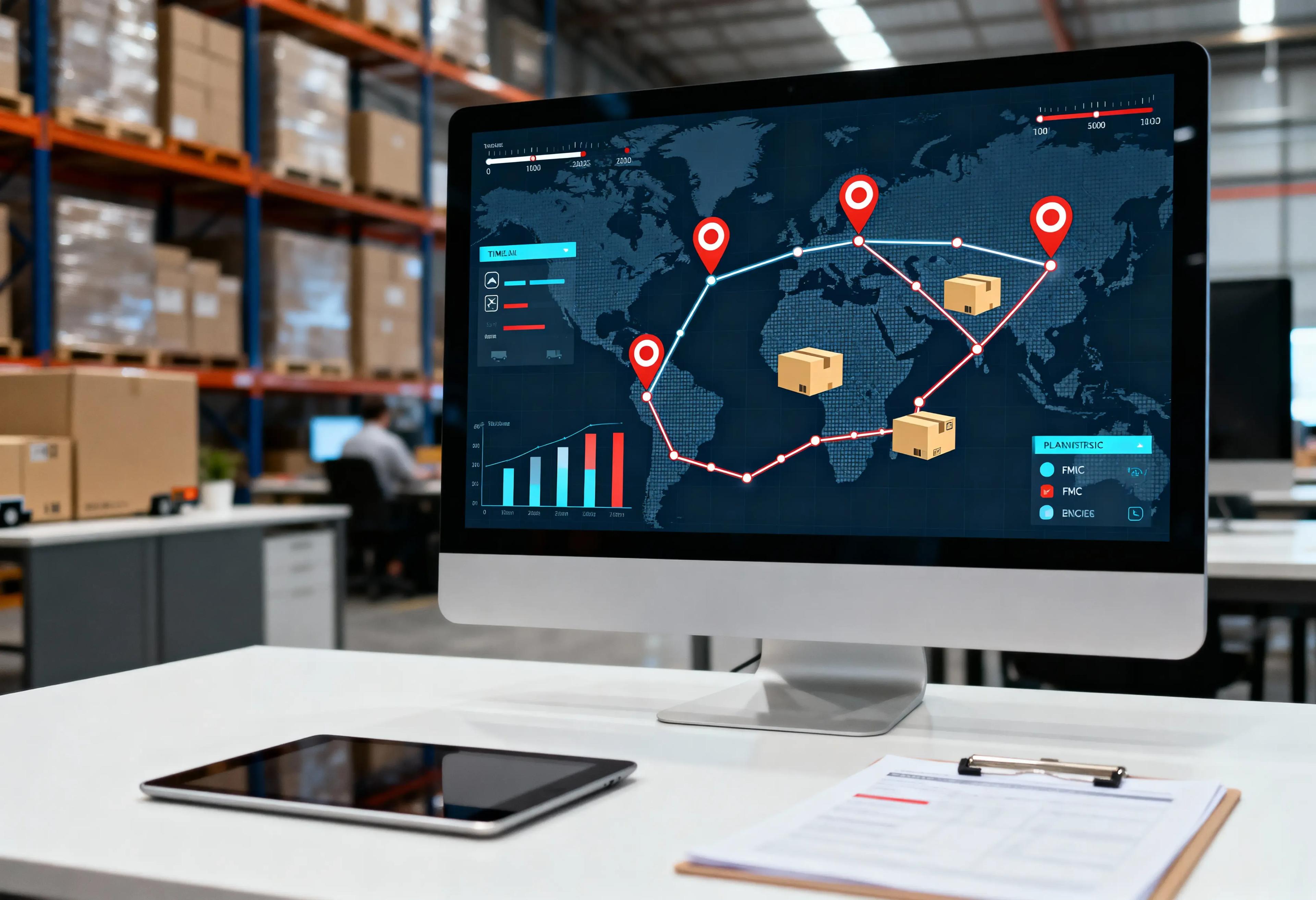
Delivery planning is a key factor that determines how efficiently goods and services are delivered. Poor planning can cause delays, wasted resources, and unnecessary complications, especially when relying on manual methods or outdated tools.
A good delivery plan ensures that items arrive on time while keeping the process cost-effective, transparent, and low-risk. Effective planning is essential for efficient operations, optimal resource use, and consistent delivery performance.
What is a Delivery Plan?
A delivery plan is a strategic roadmap that outlines the entire process of transporting goods from the warehouse to the final recipient. It ensures the distribution process runs efficiently and on schedule.
This process includes delivery scheduling, vehicle allocation, route selection, and final delivery confirmation upon receipt of the goods by the customer. Each stage is designed to minimize delays, optimize resources, and maintain delivery accuracy.
Benefits of a Delivery Plan
A well-designed delivery plan offers significant advantages for businesses. Here are some key benefits:
- Operational Efficiency
A delivery plan ensures that resources, including vehicles and workforce, are used efficiently. By scheduling deliveries strategically and assigning the appropriate fleet and personnel, companies can streamline operations and minimize unnecessary downtime. - Transparency
With proof of delivery and effective tracking systems, every step of the delivery process can be monitored. This visibility enables both the business and the customer to track shipments in real time, reducing errors and enhancing accountability. - Improved Customer Satisfaction
Accurate delivery time estimates and consistent fulfillment build trust. Customers are more satisfied when they know exactly when to expect their orders, which increases their confidence and loyalty in your service. - Cost Efficient
Using delivery management software along with careful planning helps minimize operational costs. By optimizing routes and reducing fuel consumption, businesses can lower expenses while maintaining high-quality service.
Challenges in Implementing a Delivery Plan
- Data Management
As delivery orders grow, planning becomes increasingly challenging. Managing routes, schedules, and customer requirements demands strong coordination and data-driven insights to ensure operations run efficiently and accurately. - Fleet Conditions in the Field
The types of vehicles, their maintenance status, and overall availability directly affect delivery efficiency. A fleet must be properly equipped for each delivery assignment and load, suitable for the goods being transported, and capable of handling various road conditions. - Utilizing Delivery Plan Software
Many companies hesitate to adopt logistics or delivery planning software due to initial investment costs, training requirements, or organizational adjustments. However, using these tools is essential for improving operational efficiency, optimizing resource utilization, and supporting scalable logistics operations. - Last Mile Delivery Challenges
Last-mile delivery is one of the most challenging aspects of logistics management. Traffic congestion, remote or hard-to-reach locations, and accessibility issues all create obstacles, requiring careful planning and flexible strategies to meet customer expectations.
Function of the Delivery Planning System
- Route Optimization
An effective delivery planning system optimizes delivery routes by considering multiple critical factors, including road conditions, peak traffic hours, weather, and vehicle capacity. By generating the most efficient routes, the system reduces travel time, increases fleet productivity, and enables more deliveries to be completed within shorter timeframes. - Sales Forecasting
The more a company utilizes a digital system, the more valuable data it collects. Historical data can be used to identify patterns and predict trends, such as high-demand areas, peak delivery periods, and frequently shipped products. These insights enable companies to better plan fleet deployment and prepare field teams more effectively. - Digitalization of Delivery Orders and Proof of Delivery (POD)
Physical documents often slow down delivery. Lost delivery orders can disrupt distribution, while delays in validating proof of delivery may lead to customer disputes. By digitizing these critical documents, logistics companies can manage the entire process online.
Delivery orders are instantly accessible in the application, and proof of delivery can be uploaded as a digital signature or photo as soon as the goods are received, ensuring a faster, more efficient workflow.
150+ Renowned Brands Trust BOSNET for Their Distribution
Over 150 brands rely on BOSNET to manage their distribution and sales processes efficiently. BOSNET provides an end-to-end solution for distributors to track operations, performance, and sales in real time.
Contact us to see how BOSNET can streamline your operations and provide real-time visibility across your distribution network.
#BOSNET #BestFMCGRunsBOSNET #Distribution #SupplyChain #IncreaseRevenue #ReduceCost