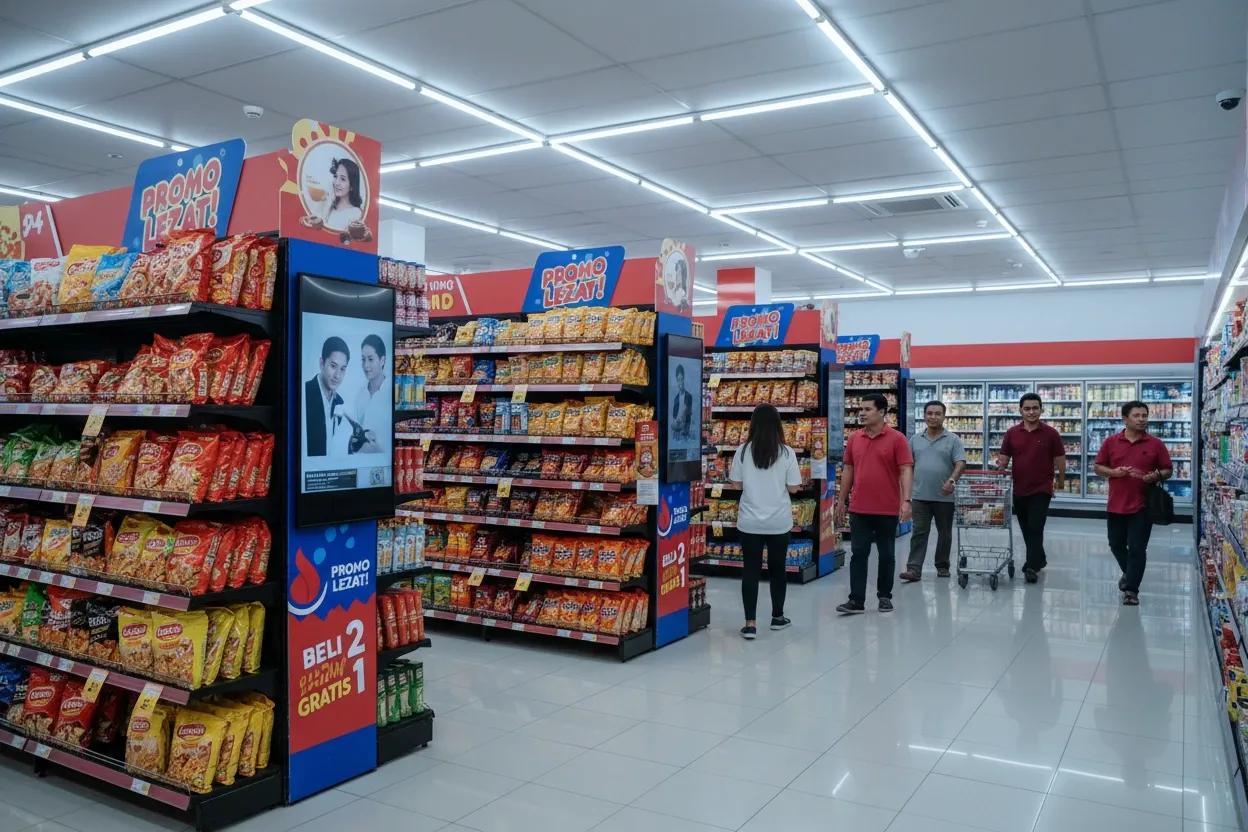
End cap displays remain one of the most valuable merchandising assets in modern retail environments. Positioned at the end of store aisles, they provide premium visibility and direct exposure to shopper traffic.
As competition for shopper attention continues to intensify, businesses are seeking opportunities to maximize every square meter of selling space. With thousands of products competing for visibility, strategic use of end cap displays can help retailers improve product exposure, support promotional campaigns, and create a more engaging shopping experience.
Definition of End Cap
An end cap, also known as a Free Standing Display Unit (FSDU), is a retail display placed at the end of an aisle. Positioned along primary customer traffic routes, end caps offer high visibility from multiple directions. Retailers use them to promote sales, highlight seasonal products, and showcase high-margin merchandise.
Functions of an End Cap
- Encourage Purchases
End caps help drive impulse buying by placing appealing products in highly visible locations. Items that are popular, limited-time, or frequently purchased can attract shopper attention and encourage unplanned purchases. - Support Promotional Campaigns
Retailers use end caps to highlight products tied to holidays, seasonal trends, special events, or promotional activities. Their prominent placement helps increase awareness and draw attention to featured offers. - Showcase New Products
An end cap provides a dedicated space for product launches and new arrivals. By separating new products from standard shelf displays, retailers can introduce them to shoppers with greater visibility and exposure. - Increase Product Visibility
In the FMCG industry, end caps are widely used to give products exposure in high-traffic areas. Their placement helps brands capture shopper attention, support sales, and improve product discoverability during the purchase journey.
Benefits of End Caps
- Increased Sales
Products displayed at the ends of store aisles often achieve higher sales than items placed on standard shelves. Their prominent location attracts shoppers' attention and encourages additional purchases. - Convenient Shopping Experience
Shoppers can quickly identify popular products, promotional items, and seasonal merchandise without searching through multiple aisles. Many retailers use these displays to feature high-demand products, making them easier to find. When thoughtfully designed, they can also reduce aisle congestion and create a more enjoyable shopping experience. - Product Visibility
Positioned at the end of store aisles, end caps provide exposure from multiple directions. Their visibility helps products stand out within busy retail environments and increases the likelihood of being noticed by shoppers. - Higher Brand Awareness
End caps offer brands a dedicated space to present products with distinctive messaging, promotional materials, and visual merchandising elements. As a result, brands can improve recognition and capture shopper interest at key decision points. - Increased Promotional Impact
Retailers and suppliers frequently use end caps to support discounts, bundle offers, seasonal campaigns, and event-based promotions. Their strategic placement helps featured products gain visibility during promotional periods. - Competitive Advantage on the Sales Floor
In categories with numerous competing brands, premium display locations provide an opportunity to stand out from surrounding shelf sections. Products featured in these areas are often easier to notice, helping brands capture shopper attention in competitive retail environments.
Best Practices for Successful End Cap Displays
To maximize the value of end cap, retailers should follow several key principles for product selection, visual presentation, and display management.
- Maintain a Clear Theme
An end cap should communicate a single message or purpose. Rather than displaying a wide variety of unrelated products, focus on a specific category, promotion, seasonal campaign, or brand.
Choose items with consistent customer demand, seasonal relevance, or promotional value. A focused product assortment often delivers better results than displaying too many products at once. - Create an Eye-Catching Display
Visual appeal plays an important role in attracting shopper attention. Ensure the display is positioned in a well-lit area and remains visible from different directions.
For brand-focused displays, use brand colors, POSM materials, and merchandising elements that align with the campaign. - Keep the Display Fully Stocked
A partially filled display can reduce product appeal and create the impression that inventory is limited. Regular replenishment helps maintain product visibility and provides a better shopping experience.
Retailers can also use planogram software to optimize product placement and make full use of available display space. - Use Clear and Visible Price Tags
Price communication should be easy to notice and understand. Bright, distinctive price tags can help draw attention to featured products and differentiate them from regular shelf pricing.
For promotional campaigns, clearly highlight special pricing. Displaying the original price alongside the promotional price allows shoppers to recognize the value of the offer at a glance. - Feature High-Performing Product
End caps are premium retail locations and should be reserved for products with high sales potential. Best-selling items, new product launches, seasonal merchandise, and promotional bundles are often suitable choices for end cap displays. - Review Performance Regularly
Monitoring sales results and shopper response helps retailers determine which displays deliver the best outcomes. Regular evaluation makes it easier to refine product selection, display design, and promotional strategies for future campaigns.
Boost End Cap Visibility with Technology
Modern retail stores no longer create planograms manually. Today, retailers and FMCG brands use digital tools to improve the performance of end cap displays and manage merchandising activities with greater accuracy.
Planogram software helps teams design display layouts, monitor execution, and maintain consistency across stores. Some of the key benefits and functions of planogram software include:
- Optimize Product Selection and Placement
Planogram software helps identify which products are best suited for end cap displays based on sales performance, product demand, promotional objectives, and seasonal trends. - Ensure Planogram Compliance
Creating a planogram is only part of the process. Planogram software helps distributors verify that displays are executed according to guidelines and approved layouts across all store locations. - Manage Seasonal and Promotional Displays
End caps are frequently used for holiday campaigns, product launches, special promotions, and limited-time offers. Planogram software simplifies the planning and deployment of display layouts for different merchandising programs throughout the year. - Enable Data-Driven Merchandising Decisions
Instead of relying on assumptions, distributors can use sales data, product performance metrics, and store insights to guide merchandising decisions. - Standardize Execution Across Multiple Locations
For retailers operating multiple stores, consistency is essential. The software enables teams to distribute standardized display layouts and merchandising instructions, helping maintain a consistent shopping experience across locations. - Mobile Access
Merchandiser can access planograms directly from mobile devices. Having display instructions readily available helps simplify store visits and improve execution accuracy. - Capture and Compare Display Photos
Many planogram solutions allow users to upload display photos from stores. Teams can compare actual execution against approved layouts, identify discrepancies, and address merchandising issues more efficiently. - Track Compliance and Sales Performance
Planogram software can help retailers monitor compliance rates and evaluate the sales impact of end cap displays. Performance insights provide valuable information for future merchandising and promotional planning.
Manage Planograms with BOSNET Vision
By using AI-powered shelf monitoring, businesses can ensure products are displayed as planned, improve visibility accuracy, and maintain consistent execution across all channels.
BOSNET Vision simplifies in-store monitoring by validating planogram compliance using image recognition. Shelf conditions can be assessed using uploaded photos, while any gaps in execution are identified and reported digitally.
Contact us to learn how BOSNET can optimize your planogram strategy.
#BOSNET #BestFMCGRunsBOSNET #Distribution #SupplyChain #IncreaseRevenue #ReduceCost