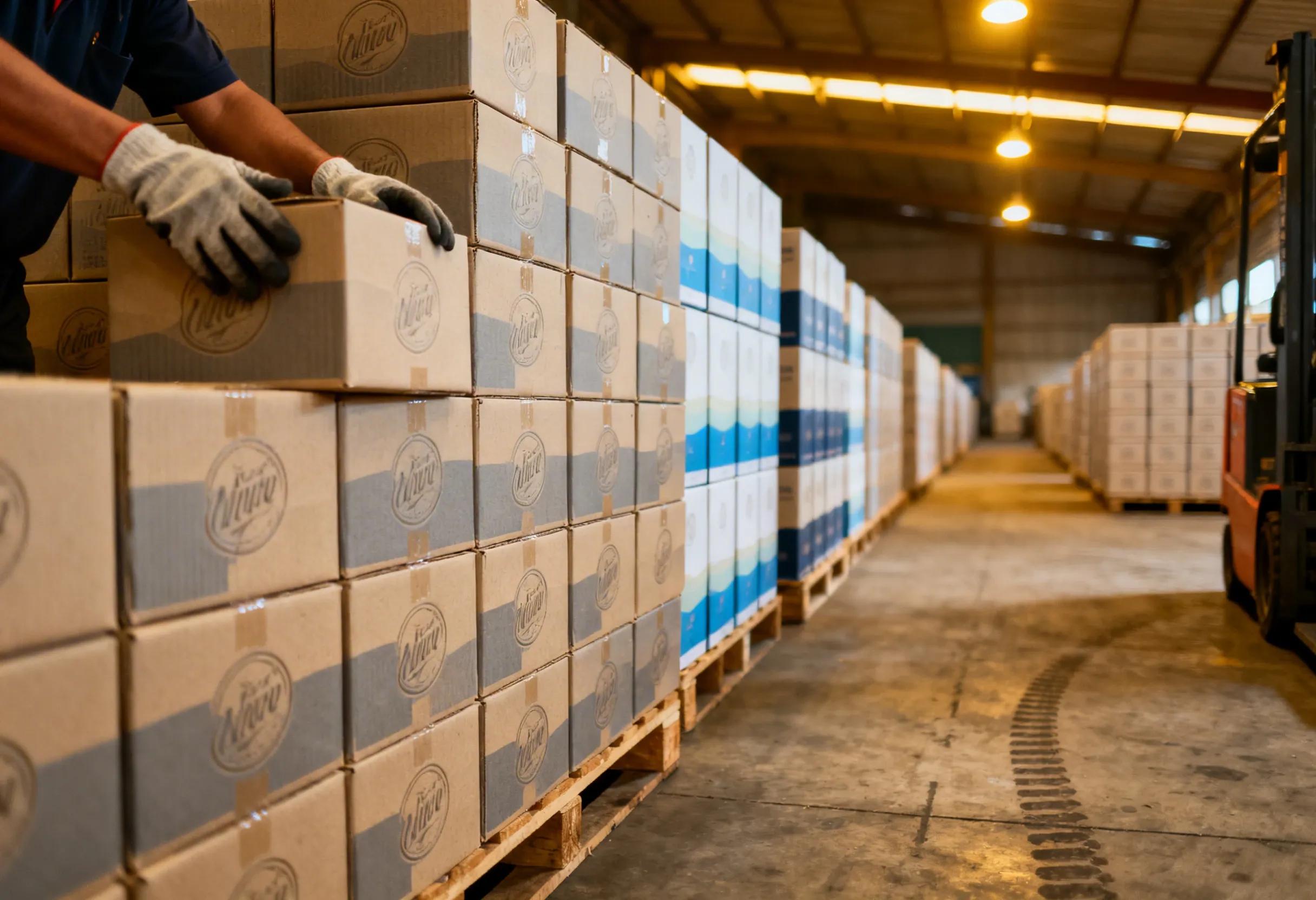
Selecting the right inventory management method directly impacts operational efficiency. In the FMCG industry, many distributors rely on the First In First Out method to ensure proper stock rotation and maintain product quality.
Without a structured approach, businesses often face challenges such as expired goods, overstocking, and inefficient warehouse processes. These issues can increase operational costs and reduce the accuracy of inventory data.
To address these challenges, companies can use the First in First out method. It provides a practical approach to managing inventory more efficiently, maintaining product quality, and improving overall visibility across warehouse operations.
What is First in First Out?
First In First Out (FIFO) is an inventory management method in which the goods acquired first are the first to be sold or used. This approach ensures that the flow of goods follows the order of arrival. By applying FIFO, distributors can maintain product quality and significantly reduce the risk of expired or damaged goods.
In addition to operational benefits, First In First Out is also widely used in financial reporting. In Cost of Goods Sold (COGS) calculations, the cost of the earliest-purchased inventory is recognized first. This aligns the physical movement of goods with cost tracking, resulting in financial reports that more accurately reflect actual business operations.
Alternative Inventory Management Methods
Different inventory management methods serve distinct operational and financial objectives. The right approach depends on factors such as product characteristics, cost, and lifespan.
- HIFO (Highest In, First Out)
HIFO prioritizes issuing inventory with the highest cost first. The most expensive items in stock are released before lower-cost units.
This approach results in a higher cost of goods sold and lower reported profit. While less commonly used, HIFO can be applied in specific scenarios where cost control and tax positioning are key considerations. - LOFO (Lowest In, First Out)
LOFO is the opposite of HIFO. Inventory with the lowest cost is issued first, while higher-cost stock remains in storage.
This method produces a lower Cost of Goods Sold and a higher reported profit. It may be used when the objective is to present stronger margins in financial reporting. - FEFO (First Expired, First Out)
FEFO prioritizes inventory based on expiration dates rather than purchase orders. Products with the nearest expiration date are issued first, regardless of when they were received.
This method enables tighter control over product shelf life. By accelerating the movement of near-expiry stock, businesses can reduce the risk of write-offs and product disposal. FEFO is widely used in the FMCG industries, including food, beverages, retail, and pharmaceuticals. - LIFO (Last In, First Out)
LIFO assumes that the most recently received inventory is the first to be issued or sold. In this method, the latest stock entering the warehouse is prioritized for outbound movement.
In periods of inflation, purchase costs typically increase over time. LIFO assigns these higher, more recent costs to the Cost of Goods Sold (COGS), which can reduce reported profit and potentially lower taxable income. - Average
The average cost method calculates a single unit cost by dividing the total inventory value by the total number of available units. All items are then issued using this average cost, regardless of purchase timing.
By reducing the impact of fluctuations in purchase prices, this method provides more consistent cost reporting. It combines both FIFO and LIFO, making it suitable for businesses that require stable and predictable inventory valuation.
Process of First In First Out in a Warehouse
- Inbound
Each incoming item is assigned a label or code upon arrival. This label contains key information such as receiving date, storage limit, product type, and other relevant details.
During initial storage preparation, items are arranged in the order of their arrival. Earlier stock is positioned ahead of newer stock, enabling better monitoring and traceability from the beginning. - Putaway
Labeled items are placed in storage locations that enable easy, efficient retrieval. The warehouse layout follows the order of arrival, ensuring that the earliest stock remains in the most accessible position.
Proper placement reduces handling time and allows warehouse staff to follow FIFO procedures without additional checks or adjustments. - Picking
Order fulfillment begins with a picking list that guides warehouse staff in selecting items. Products with the earliest receiving date are prioritized to maintain First-in, First-out compliance.
Labeled items make it easier to quickly identify the correct stock. This improves picking speed while reducing the risk of selection errors. - Inventory Logging
Inventory records are continuously updated to reflect actual stock movement. Accurate logging ensures that system data remains aligned with physical inventory in the warehouse.
Consistent recording also supports proper stock rotation and prevents older inventory from being overlooked. Many companies implement a distribution management system to automate updates and maintain real-time visibility across warehouse operations.
Benefits of First In First Out in Inventory Management
The First In First Out method improves inventory control by ensuring that older stock is issued first. When applied consistently across warehouse operations, First in First Out delivers measurable impact on product quality, cost efficiency, and stock visibility.
- Reduce the Risk of Financial Loss
Implementing the First In, First Out method allows distributors to prioritize products with shorter lifespans. This approach helps minimize the risk of damaged or expired goods, ultimately reducing potential financial losses and improving overall inventory efficiency. - Maintain Product Quality
Products stored for extended periods are prone to degradation. First in First Out ensures that older stock is used or sold first, maintaining product quality and ensuring customers receive items in optimal condition. - Real-Time Visibility
First in First Out improves visibility across the entire inventory management process. Businesses can monitor stock levels and track how long items have been stored in the warehouse. - Prevent Overstocking
By encouraging faster inventory movement, First In First Out helps optimize warehouse space utilization. It also supports better control of stock levels, preventing overstocking and reducing the risk of excess or idle inventory.
Manage Your Distribution With BOSNET Distribution Management System (DMS)
Take control of your distribution with BOSNET Distribution Management System, an automated solution designed to handle inventory costing (FIFO, Average), DOI calculation, and expiration management (FEFO) all in one platform.
Get instant operational reports and actionable insights. BOSNET DMS helps businesses increase revenue, reduce costs, and protect assets while ensuring accurate inventory tracking and reporting.
Contact us to see how BOSNET can help streamline your distribution.
#BOSNET #BestFMCGRunsBOSNET #Distribution #SupplyChain #IncreaseRevenue #ReduceCost