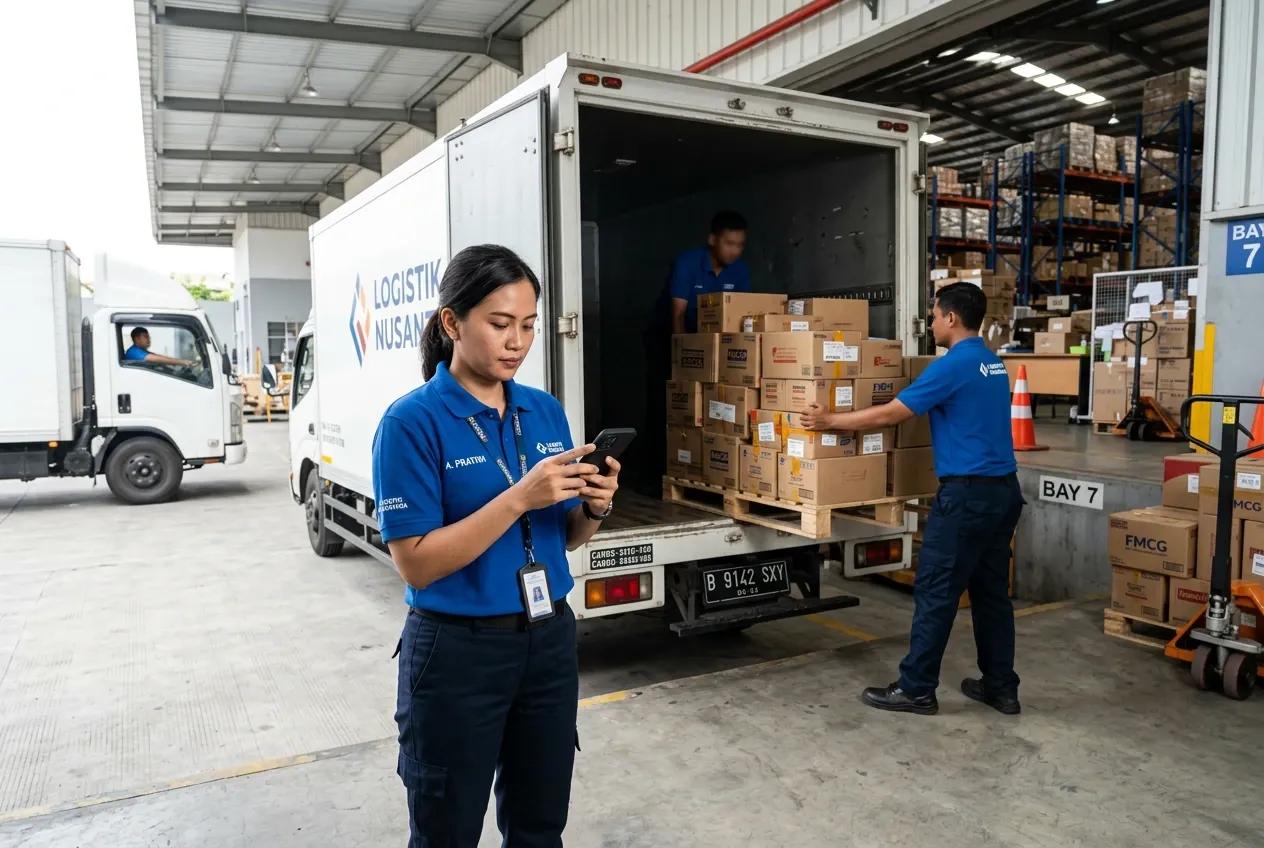
Inventory management does not end when goods leave the supplier. Products may spend several hours or days in transit before reaching a warehouse, store, or distribution center. During this time, businesses need to know where the goods are and when they are expected to arrive.
When goods in transit are not recorded properly, inventory records may not show the actual stock position. Delayed deliveries, damaged products, or missing items can also affect stock availability. Tracking goods in transit helps businesses keep inventory records updated and identify issues during transportation.
What Is Goods in Transit?
Goods in transit refers to finished goods that have been purchased from a supplier or manufacturer and are currently being transported to a store, warehouse, or distribution center. The goods have been purchased but have not yet arrived at their destination.
For example, a distributor may order products from a manufacturer and have them shipped to its warehouse. While the products are being transported, they are considered goods in transit. Recording these goods alongside available inventory gives the business a complete view of the stock it owns, including products that are still on the way.
Types of Goods in Transit Risks
Goods in transit can face several risks while products are being transported from suppliers or manufacturers to warehouses, stores, or distribution centers. Common risks include:
- Damage
Products can be damaged during loading, unloading, handling, or transportation. Damage may occur due to improper handling, unsuitable packaging, or accidents during delivery. - Loss
Goods may be lost while in transit due to misplacement, delivery errors, or other issues during transportation. Lost goods can create differences between the expected and actual inventory received. - Theft
Products may be stolen while being transported or temporarily stored during the delivery process. The risk can vary depending on the type of goods, transportation route, and security measures. - Delivery Delays
Unexpected traffic, vehicle problems, weather conditions, or other transportation issues can delay the arrival of goods. Delays can affect inventory availability and planned distribution activities. - Incorrect Delivery
Goods may be delivered to the wrong location or with incorrect quantities. These errors can delay the receiving process and create differences between the order and the goods received.
Causes of Goods in Transit Issues
Several factors can cause problems while goods are being transported. Understanding these causes helps businesses identify where issues may occur during the delivery process.
- Improper Packaging
Products that are not packed properly are more likely to be damaged during transportation. Packaging should match the type of product and the conditions it may encounter during delivery. - Poor Handling
Incorrect handling during loading, unloading, or transportation can damage products. Repeated movement of goods can also increase the risk when products are not handled properly. - Transportation Problems
Vehicle breakdowns, route problems, and traffic can affect the movement of goods. These issues may delay deliveries or affect product condition upon arrival. - Incorrect Shipping Information
Incorrect addresses, product quantities, or shipment details can cause delivery errors. The problem may result in goods being sent to the wrong location or arriving with differences from the original order. - Poor Coordination
Goods may be delayed when suppliers, distributors, and delivery teams do not have the same shipment information. Clear communication helps each party understand the status and destination of the goods.
How to Manage Goods in Transit
Managing goods in transit requires businesses to keep track of shipments from the time products leave the supplier until they arrive at their destination.
- Track Shipment Status
Businesses can monitor each shipment's status throughout the delivery process. Updated shipment information helps teams know whether goods have been dispatched, are still in transit, or have arrived. - Record Shipment Details
Record important information such as product quantities, shipment dates, destinations, and delivery details. Use these records to check whether the received goods match the original shipment. - Check Goods Before Dispatch
Check products before they leave the warehouse or supplier location. Teams can verify quantities, packaging, and shipment details before the goods are handed over to the carrier. - Confirm Goods Upon Arrival
When goods arrive, the receiving team should compare the physical products with the shipment records. Any missing, damaged, or incorrect items can then be recorded and followed up.
How Technology Helps Manage Goods in Transit
Technology can help businesses record and monitor goods while they are being transported. Digital systems can connect shipment information with inventory and delivery records, giving teams access to updated information throughout the process.
Shipment tracking can show the current delivery status, while digital delivery records can document when goods arrive at their destination. After the receiving process is completed, inventory records can also be updated based on the actual goods received.
Goods in Transit vs. Inventory on Hand
Goods in transit and inventory on hand refer to different stages of the inventory process.
Goods in transit are products that have been purchased but are still being transported to their destination. The business owns the goods, but they have not yet arrived at the warehouse, store, or distribution center.
Inventory on hand refers to products that are already physically available at a specific location and recorded as available stock.
For example, if a distributor has 500 units in its warehouse and another 200 units are being transported from the manufacturer, the 500 units are inventory on hand while the 200 units are goods in transit.
Tracking both types of inventory gives businesses a clearer view of available stock and incoming products.
Track Goods in Transit with BOSNET Mobile Delivery
BOSNET Mobile Delivery helps distributors track deliveries and maintain visibility across daily delivery operations. From scheduled deliveries to proof of receipt, field teams can update delivery status, capture delivery confirmations, and record activities directly from their mobile devices.
BOSNET solutions provide centralized monitoring and real-time reporting, allowing teams to track shipment progress, identify operational issues, and maintain visibility across delivery activities. As a result, businesses can minimize disruptions, improve delivery performance, and support better customer service.
Contact us to learn how BOSNET Mobile Delivery can help track your goods.
#BOSNET #BestFMCGRunsBOSNET #Distribution #SupplyChain #IncreaseRevenue #ReduceCost