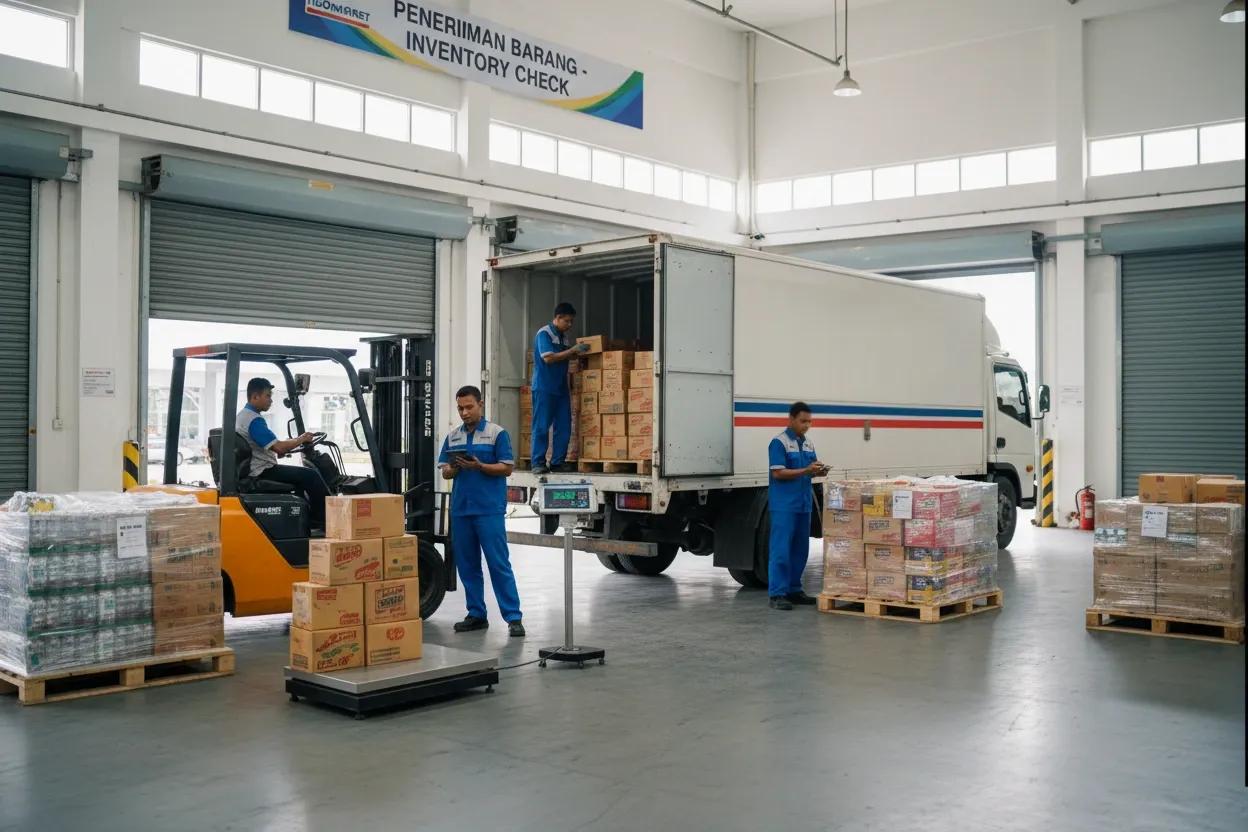
Goods receipt plays an important role in maintaining inventory quality within warehouse operations. To support accurate warehouse management, companies implement goods receipt during inbound operations. The process helps warehouse teams inspect incoming products, accurately record inventory, and identify any discrepancies or damaged items before they enter storage or distribution.
Definition of Goods Receipt
Goods receipt is a formal internal record that confirms a business has physically received items from a supplier. It is an important step in warehouse operations, helping companies verify that received goods match the purchase order in terms of quantity, quality, and specifications.
The receipt ensures that incoming products are accurate and ready for storage, distribution, or use in business operations. By validating received items against purchase documents, businesses can identify discrepancies, damaged products, or missing goods.
Goods receipt management can be handled manually through paper-based documentation or digitally using warehouse management systems.
Functions of Goods Receipt in Warehouse
Goods receipt plays an important role in warehouse management. It helps businesses verify incoming goods, maintain inventory accuracy, and support daily warehouse activities. Below are some of the key functions:
- Streamlines Stock Management
Products that have completed the inbound process can be transferred directly to the next stage, whether for storage or order fulfilment. As a result, inventory can move through the warehouse faster and support day-to-day operations. - Ensure Accuracy
Goods receipt helps warehouse staff inspect incoming inventory and confirm that received items match the purchase order. During the verification process, staff compare quantities, product specifications, and conditions against purchasing documents. This helps identify discrepancies before products enter storage or distribution processes. - Protect Assets
The information recorded in the goods receipt helps improve inventory accuracy and security. Businesses can reduce the risk of lost items, theft, and inventory recording errors. - Monitor Quality
Goods receipt supports the inspection of incoming goods to ensure products arrive in acceptable condition. Warehouse staff can check for damage, defects, or other quality issues before items are recorded in inventory. This is particularly important for fast-moving businesses that handle large product volumes and high inventory turnover. - Update Inventory Records
Because goods receipt is performed during the inbound process, staff can verify and record incoming products simultaneously. Accurate recording of received goods helps keep inventory data up to date and provides better visibility of available stock.
The Goods Receipt Process in Inventory Management
In warehouse operations, the goods receipt process typically involves several stages to verify incoming products, maintain inventory accuracy, and support warehouse activities.
- Inbound
The process begins when products arrive, accompanied by supporting documents, including delivery orders (DO), purchase orders (PO), and invoices. Staff review the documents and compare them with the received items to verify that the shipment matches the order. - Availability Check
After verification, staff inspect the physical inventory to confirm the quantity and condition of each item. The inspection helps identify damaged products, missing items, or other discrepancies. If any issues are found, a claim or return request can be submitted. - Recording
Once the inspection is completed, the received products are recorded either manually or through a warehouse management system. Accurate recording helps keep inventory information up to date and provides real-time visibility of stock levels. - Put Away
Products that have been verified and recorded are moved to designated storage locations. Depending on distributors’ needs, warehouses may apply FIFO, LIFO, or FEFO principles to manage inventory movement. - Documentation and Confirmation
Proof of receipt is documented and shared with relevant departments, including finance and inventory management teams. When required, the received products can be transferred directly to another location for further processing or operational use.
Types of Goods Receipt
In warehouse management, goods receipt can be categorized into several types based on the source and purpose. Each type supports different operational requirements and inventory processes.
- Purchase Order
A purchase order receipt is used when inventory is received from a supplier as part of a purchasing transaction. During the inbound process, staff verify that the received items match the purchase order in terms of quantity, specifications, and condition. This helps distributors confirm that incoming products meet business requirements. - Unplanned Goods
An unplanned goods receipt occurs when inventory is received without a purchase order or stock transfer order. Examples include promotional products from suppliers, donated items, or goods returned by customers. Although the receipt is not linked to a planned transaction, the inventory still needs to be verified and recorded in the system. - Internal Production
In manufacturing businesses, goods may be received directly from internal production activities. After production is completed, finished goods are transferred to the warehouse and recorded as inventory. The products are then stored until they are distributed to customers, distributors, or other business locations. - Warehouse Transfer
Businesses that operate multiple warehouses often move inventory between locations to balance stock levels and support demand. In this process, goods are received via a stock transfer receipt, which records the transfer of inventory from one warehouse to another.
Challenges of Managing Warehouse Goods Receipt
Goods receipt is a critical process in warehouse operations, but several challenges can affect inventory accuracy and operational performance. Below are some of the most common issues businesses face during the goods receipt process.
- Recording Errors
Warehouses that still rely on manual processes often struggle to receive and record inventory efficiently. Manual data entry can result in inaccurate records, misplaced inventory, and discrepancies between physical stock and system data. - Complex Return Process
Managing inventory returns can be time-consuming. Return procedures often require additional documentation and coordination, which can slow warehouse operations and inventory management. - Damaged Inventory
Warehouses may receive products that are damaged or do not meet standards. This can lead to shipping delays, stock out, and additional handling activities to resolve the issue. - Inventory Discrepancies
One of the primary challenges is receiving products that do not match the purchase order. Differences in quantity, product type, or specifications require additional verification before the inventory can be accepted and recorded.
Manage Goods Receipt with BOSNET Warehouse Management System (WMS)
BOSNET Warehouse Management System automates warehouse operations and goods receipt activities, providing FMCG businesses with real-time tracking and full visibility across all locations.
With its self-correcting system, BOSNET Warehouse Management System automatically updates inventory records based on the latest physical activity. This provides accurate inventory data for better decision-making while helping FMCG businesses increase revenue, reduce costs, and protect assets.
Contact us to see how BOSNET can optimize your warehouse.
#BOSNET #BestFMCGRunsBOSNET #Distribution #SupplyChain #IncreaseRevenue #ReduceCost #ProtectAssets