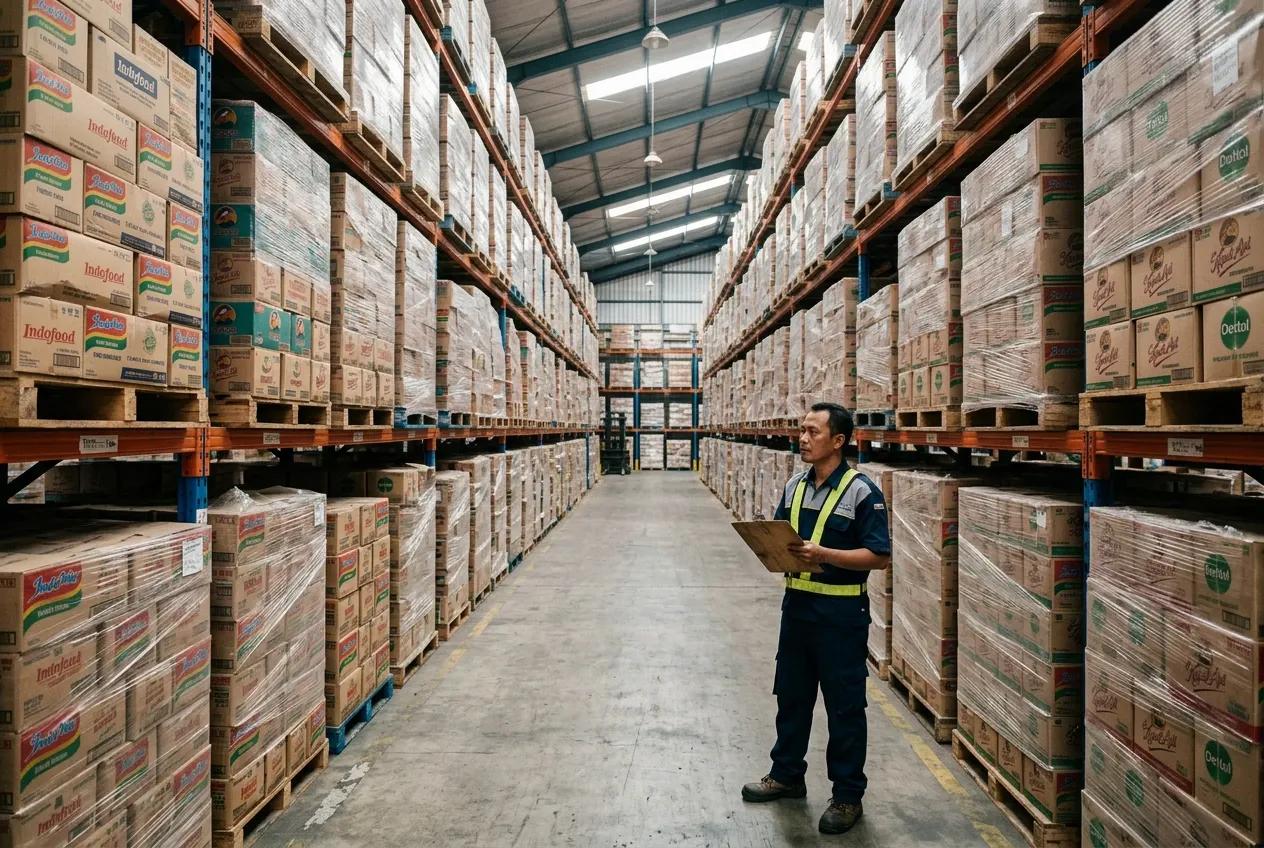
Days of Inventory is a key metric for evaluating how efficiently inventory is managed. Inventory that remains in storage for too long can increase warehouse costs, tie up working capital, and create risks related to product expiration or obsolescence.
To maintain the right balance, businesses need accurate visibility into inventory levels and inventory movement. Using inventory management software can simplify DOI calculations, provide real-time inventory data, and help businesses make better decisions related to replenishment, purchasing, and inventory planning.
Definition of Days of Inventory
Days of Inventory (DOI) is a metric used to measure how many days, on average, inventory remains in stock before it is sold. It helps businesses understand the speed of inventory turnover and whether stock levels are aligned with market demand.
The metric is calculated using inventory value, cost of goods sold (COGS), and the number of days within a specific period. The result provides a clear picture of how long inventory stays in storage before reaching customers.
A higher inventory holding period indicates that products are spending more time in the warehouse before being sold. While maintaining inventory availability is important, an extended holding period may suggest slower sales, excess stock, or inaccurate demand forecasting. In these situations, businesses may need to review purchasing plans, production schedules, pricing strategies, or sales activities.
Why Is Days of Inventory Important?
Days of inventory is an important metric because it helps companies understand how efficiently inventory is being managed. Knowing how long products remain in stock allows businesses to make better purchasing, sales, and inventory planning decisions.
- Inventory Movement
One of the main benefits of tracking days of inventory is gaining visibility into inventory movement. The metric shows whether products are being sold at a pace that matches customer demand.
When products remain in storage for an extended period, it may indicate excess stock. On the other hand, inventory that sells too quickly can increase the risk of stockouts and lost sales opportunities. Monitoring inventory turnover helps companies maintain stock levels that support customer needs without creating unnecessary inventory costs. - Evaluate Operational Performance
Days of Inventory can also provide valuable insight into operational performance. Inventory levels are closely linked to purchasing, replenishment, warehousing, and sales activities, making the metric a useful indicator of how well these functions work together.
A balanced inventory holding period often reflects better planning and resource utilization. When inventory remains in storage longer than expected, companies can identify areas that need attention and make adjustments before excess stock begins to affect profitability. - Improve Cash Flow
The longer goods remain in storage, the longer that capital stays unavailable for other business needs.
Keeping inventory at an optimal level helps accelerate the conversion of stock into revenue. As products sell faster, businesses can improve cash flow, reduce inventory carrying costs, and free up capital for expansion, procurement, or other strategic initiatives.
Functions of Days of Inventory
The following are several function of days of inventory:
- Measure Availability
DOI provides visibility into how long current inventory can support business activities before additional stock is needed.
This information helps companies determine whether available inventory is sufficient to meet customer demand or production needs over a given period. - Optimize Inventory Management
Days of inventory helps businesses identify whether inventory levels are too high or too low. When inventory remains in storage for an extended period, it may indicate excess stock. On the other hand, inventory that moves too quickly may increase the risk of stock shortages. Monitoring days if inventory helps businesses maintain inventory levels that align with demand. - Support Operational Planning
Days of inventory supports purchasing and replenishment planning by helping businesses estimate when inventory may need to be restocked.
With better visibility into inventory consumption, companies can schedule procurement activities and inventory replenishment based on expected demand. - Reduce Storage Costs
Inventory that remains in storage for long periods can increase warehouse-related expenses and inventory risks.
By monitoring days of inventory, businesses can identify slow-moving inventory and reduce costs associated with storage, product deterioration, obsolescence, or expired products. - Improve Customer Satisfaction
Maintaining sufficient inventory is essential for meeting customer demand. DOI helps businesses monitor product availability and reduce the risk of stock shortages that may lead to delayed deliveries or unfulfilled orders. As a result, companies can provide a better customer experience and maintain customer satisfaction.
Days of Inventory Formula and Calculation
The formula for calculating days of inventory is:
DOI = (Average Inventory ÷ Cost of Goods Sold (COGS)) × 365 Days
For example, if a company has an average inventory value of $200,000 and an annual COGS of $1,000,000:
DOI = ($200,000 ÷ $1,000,000) × 365
DOI = 73 Days
This means the company takes an average of 73 days to sell its inventory.
Monitor Inventory with BOSNET Warehouse Management System (WMS)
BOSNET Warehouse Management System helps businesses manage stock across the warehouse. By automating inventory processes and providing real-time visibility, businesses can identify products faster, track stock movement accurately, and maintain records across multiple warehouse locations.
With its self-correcting system, BOSNET Warehouse Management System automatically updates inventory records based on the latest physical activity, delivering precise data for smarter decision-making and helping FMCG businesses increase revenue, reduce costs, and protect assets.
Contact us to see how BOSNET can efficiently manage your warehouse.
#BOSNET #BestFMCGRunsBOSNET #Distribution #SupplyChain #IncreaseRevenue #ReduceCost