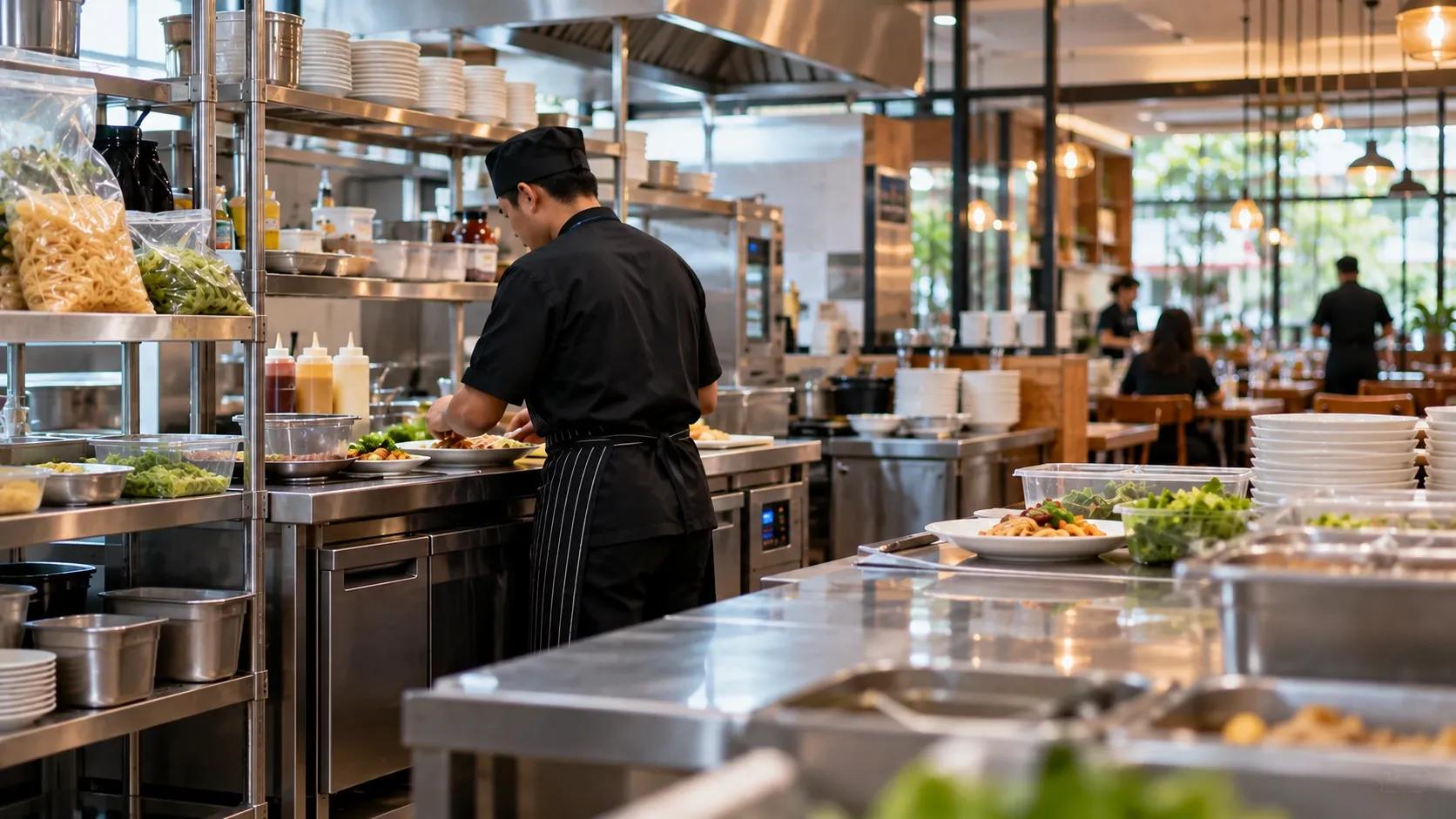
HORECA businesses purchase food, beverages, and other supplies to serve customers through hotels, restaurants, and cafés. These businesses often require regular deliveries, accurate order fulfillment, and sufficient stock to meet daily demand. For FMCG manufacturers and distributors, serving the HORECA sector involves managing different customer requirements, order volumes, and delivery schedules across multiple locations.
Unlike traditional retail outlets, HORECA businesses often use purchased products as ingredients or supplies for services rather than reselling every item in its original packaging. Understanding how these businesses operate helps suppliers plan distribution activities, manage customer accounts, and maintain product availability.
What Is HORECA?
HORECA stands for Hotels, Restaurants, and Cafés or Catering, a term used to describe businesses that serve food and beverages or provide hospitality services. The term is widely used in the food service, hospitality, and FMCG industries to group customers with similar purchasing and supply needs.
HORECA customers purchase a wide range of products, including fresh ingredients, packaged food, beverages, cleaning supplies, and disposable packaging. Their purchasing patterns depend on factors such as customer traffic, menu requirements, occupancy rates, and service schedules.
For FMCG distributors, HORECA represents a business-to-business sales channel. Products are delivered directly to hotels, restaurants, cafés, and other food service operators, with orders tailored to their operational needs.
Types of HORECA Businesses
HORECA includes several types of businesses, each with different product requirements, purchasing patterns, and inventory needs.
- Hotels
Hotels provide accommodation and often operate additional services such as restaurants, bars, room service, and event facilities. Their purchasing requirements extend beyond guest rooms to food preparation, beverage service, housekeeping, and other daily activities. - Restaurants
Restaurants purchase ingredients and supplies to prepare meals and serve customers. Their stock requirements depend on menu items, customer demand, opening hours, and the number of meals served each day.
Common products supplied to restaurants include:
- Cooking oil, sauces, spices, and seasonings.
- Meat, seafood, vegetables, and other food ingredients.
- Bottled drinks, juices, and packaged beverages.
- Cleaning supplies and food packaging.
Restaurants with high customer traffic often require frequent replenishment to maintain ingredient availability. Accurate deliveries help kitchen teams prepare orders according to their daily service needs. - Cafés
Cafés typically focus on coffee, tea, other beverages, and light meals. Their purchasing needs depend on the menu, customer preferences, and daily sales volume.
Common products supplied to cafés include:
- Coffee beans, tea, milk, and beverage ingredients.
- Syrups, sweeteners, and flavoring products.
- Bottled water, juices, and ready-to-drink beverages.
- Pastries, snacks, and packaged food.
Cafés often need to monitor ingredient consumption closely, particularly for products with limited shelf lives. Stock availability directly affects their ability to prepare menu items and serve customers. - Catering Businesses
Catering businesses prepare and deliver food for events, offices, schools, weddings, and other group occasions. Their demand can vary significantly depending on event schedules, guest numbers, and menu requirements.
Typical supplies include bulk food ingredients, beverages, disposable tableware, condiments, and food packaging.
Catering operations often require large quantities of products within a specific timeframe. Suppliers must coordinate order preparation and delivery schedules to ensure ingredients and other supplies arrive before food preparation begins.
Key HORECA Distribution Channels
HORECA businesses obtain products through several supply channels. The channel used depends on product type, order volume, supplier agreements, and the customer's purchasing process.
- Direct Distribution
In direct distribution, manufacturers or brand owners supply HORECA customers directly. The supplier manages customer relationships, orders, and deliveries rather than relying entirely on an intermediary.
The channel is useful when a manufacturer serves large hotel groups, restaurant chains, or other customers with substantial purchasing requirements. Direct relationships also allow suppliers to coordinate product specifications and delivery schedules with individual customers. - Distributor Networks
Distributors purchase products from manufacturers or brand owners and supply them to HORECA customers across designated areas. They often handle a range of brands and product categories, allowing restaurants, cafés, and hotels to source products through their existing suppliers.
For FMCG companies, distributors provide access to a wider customer base. Managing orders, stock availability, delivery routes, and outlet coverage helps distributors serve HORECA accounts across different locations. - Wholesalers and Cash-and-Carry Stores
Wholesalers supply products in bulk to businesses, while cash-and-carry stores allow buyers to purchase goods directly from a wholesale outlet and transport them to their own premises.
Restaurants, cafés, and small catering operators often use these channels to purchase packaged food, beverages, and other supplies. Purchasing patterns can vary according to immediate needs, available storage space, and wholesale pricing. - Food Service Suppliers
Food service suppliers specialize in products and services for professional kitchens and hospitality operators. Their offerings can include fresh ingredients, frozen food, specialty products, and bulk packaging.
The channel serves businesses that require specific product grades, larger pack sizes, or specialized delivery arrangements. Some suppliers also provide cold-chain transportation for products that require controlled temperatures. - Online B2B Ordering Platforms
Online B2B platforms allow HORECA customers to browse products, place orders, and review purchasing information through digital channels. Depending on the service, customers can reorder frequently purchased products and coordinate deliveries through the platform.
For suppliers, digital ordering can reduce manual order processing and provide additional information about customer purchasing patterns. Accurate product listings, stock information, and order records remain necessary to fulfill requests correctly.
Common Challenges in HORECA Distribution
Serving HORECA customers requires coordination between sales teams, distributors, warehouses, and delivery personnel. Several operational issues can affect service levels and sales performance.
- Demand Fluctuations
Product demand can change according to hotel occupancy, restaurant traffic, seasonal events, and customer bookings. Suppliers need to review sales history and current orders to plan inventory levels and replenishment schedules. - Different Customer Requirements
Hotels, restaurants, cafés, and catering companies purchase different products and quantities. Some require frequent deliveries, while others place large orders for scheduled events. Managing account-specific requirements helps suppliers prepare orders according to customer needs. - Product Availability
Stock shortages can interrupt kitchen operations and affect menu availability. Distributors need accurate inventory records to identify products requiring replenishment and allocate available stock across customer orders. - Delivery Coordination
HORECA customers often have specific receiving hours and preparation schedules. Late or incomplete deliveries can affect food preparation and service operations. Route planning, order prioritization, and delivery tracking help distributors coordinate deliveries across multiple outlets. - Sales and Inventory Visibility
When sales, inventory, and delivery records are maintained separately, distributors can have limited visibility into customer demand and stock movements. Connecting operational information helps teams review sales performance, identify inventory issues, and plan replenishment activities.
Manage HORECA Distribution with BOSNET Solutions
Managing HORECA distribution requires operational visibility, inventory control, and fast coordination across sales, warehouse, and delivery activities. BOSNET provides integrated digital solutions designed to help distributors manage high-volume distribution operations efficiently.
- Mobile Distribution
BOSNET Mobile Distribution provides sales teams with quick access to record transactions, manage customer visits, and handle field activities directly from mobile devices. - Distribution Management System (DMS)
The Distribution Management System helps distributors manage sales orders, order processing, and sales performance across distribution operations. Real-time monitoring allows distributors to track operational activities, sales transactions, and inventory in one dashboard. - Warehouse Management System (WMS)
The Warehouse Management System supports inventory management from inbound to outbound processes with high accuracy. The system helps warehouse teams manage stock movement, product tracking, picking, packing, and inventory handling across warehouse operations. - Stock Replenishment
Stock replenishment helps distributors automate stock refill processes to maintain product availability across distribution channels. The system helps reduce the risk of empty shelves. - Smart Route
Optimizes sales visits and delivery routes across operational areas. Efficient route planning helps reduce travel time and support field team productivity. - Mobile Delivery
BOSNET Mobile Delivery allows drivers to manage activities directly from their mobile devices. The solution ensures deliveries are completed accurately and aligned with customer orders while providing real-time delivery updates.
150+ Renowned Brands Trust BOSNET for Their Distribution
Over 150 brands rely on BOSNET to manage their distribution and sales processes efficiently. BOSNET provides an end-to-end solution for distributors to track operations, performance, and sales in real time.
Contact us to see how BOSNET can streamline your operations and deliver real-time visibility across your distribution network.
#BOSNET #BestFMCGRunsBOSNET #Distribution #SupplyChain #IncreaseRevenue #ReduceCost