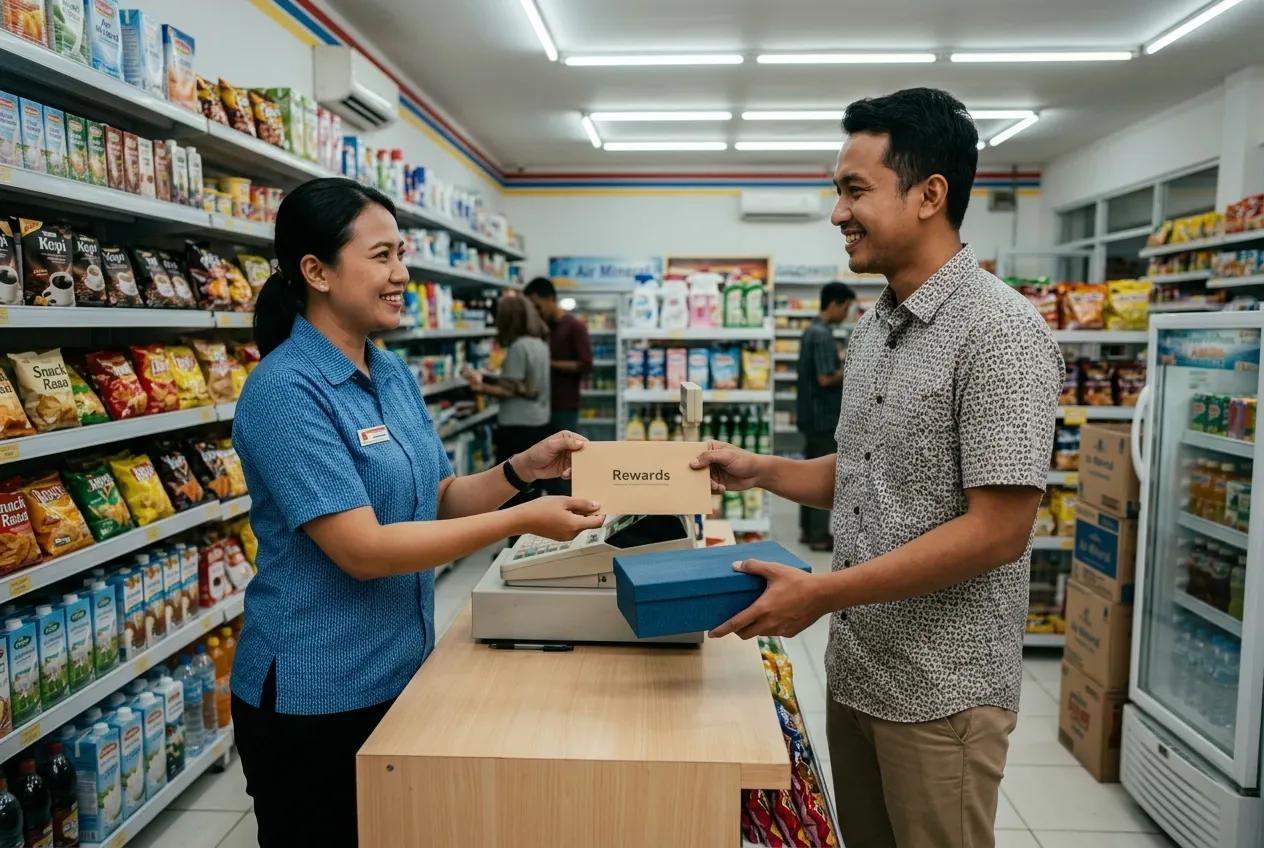
Customer loyalty plays an important role in maintaining long-term relationships. Businesses need to give customers a reason to return and continue choosing their products.
A reward program can encourage repeat purchases and customer engagement. Depending on the program, rewards can also encourage referrals, social media engagement, and other activities that help expand their customer base.
A successful reward program starts with clear goals and an understanding of customer behavior. Businesses also need to consider the type of rewards, how customers earn and redeem them, and how the program will be managed. A well-planned program can support customer retention and keep customers engaged with the brand.
What Is a Customer Reward Program?
A customer reward program gives customers benefits when they make purchases or engage with a brand. The program encourages customers to return while giving them an added benefit from their continued engagement.
Rewards can take various forms, including discounts, loyalty points, free products, vouchers, or exclusive access to new products and promotions.
Businesses can also give rewards for activities that help increase brand awareness. Customers may earn rewards when they recommend products to friends, share brand content on social media, write reviews, or participate in promotional activities.
Benefits of Customer Reward Programs
A customer reward program can provide several benefits beyond encouraging repeat purchases. Some of the key benefits include:
- Increase Customer Retention
Customer retention refers to a company's ability to keep customers purchasing its products. Rewards can give customers a reason to return and continue choosing the brand, particularly in competitive markets. - Build Customer Loyalty
Customer loyalty goes beyond purchasing behavior and can also reflect a customer's connection with a brand. Loyalty programs give companies an opportunity to show appreciation for their customers and create a positive experience that encourages continued engagement. - Customer Data
Reward programs can encourage customers to provide information when registering or redeeming rewards. The data collected can help businesses understand purchasing behavior and customer preferences, which can support marketing plans and business decisions. - Build Brand Awareness
Reward programs can encourage customers to interact with and share a brand. For example, referral rewards, social media activities, and customer-generated content can introduce products to new audiences. As customers share their experiences, the brand can gain greater visibility among potential customers.
Types of Customer Rewards
Customer rewards can take different forms depending on the goals of the program and customer behavior. Below are some common types of customer rewards:
- Loyalty Points
Customers collect points from purchases or specific activities over a period of time. Accumulated points can then be exchanged for benefits, including free services, gift vouchers, discounts on future purchases, or other rewards. - Referral Program
A referral program gives rewards to customers who recommend a product or brand to other people. Referrals can happen through personal recommendations, referral links, or social media. - Tiered Rewards
Tiered rewards offer different benefits based on a customer's purchase value or level of engagement. Customers who reach a higher tier can receive benefits such as larger discounts, exclusive gifts, or additional rewards. - VIP Program
A VIP program gives selected customers access to exclusive benefits. These can include special products, early access to new launches, exclusive promotions, or invitations to brand activities.
How To Create A Loyalty Program
- Set Clear Goals from the Start
Define what the program aims to achieve before choosing the reward. Goals can include increasing customer referrals, encouraging repeat purchases, or building brand awareness. - Choose Rewards That Benefit Both Sides
Select rewards that customers value while keeping the program financially viable for the business. The reward should provide a worthwhile benefit without putting a significant pressure on profit margins. - Monitor and Evaluate
Monitor customer participation, reward redemption, and program costs after the program is launched. Regular evaluation helps businesses measure whether the program is meeting its goals and identify areas that need adjustment. - Use Loyalty Software
Loyalty software can help manage customer data, points, rewards, and redemption records in one system. It also gives businesses access to customer activity that can support program monitoring and future planning.
150+ Renowned Brands Trust BOSNET for Their Distribution
Over 150 brands rely on BOSNET to manage their distribution and sales processes efficiently. BOSNET provides an end-to-end solution for distributors to track operations, performance, and sales in real time.
Contact us to see how BOSNET can streamline your operations and deliver real-time visibility across your distribution network.
#BOSNET #BestFMCGRunsBOSNET #Distribution #SupplyChain #IncreaseRevenue #ReduceCost