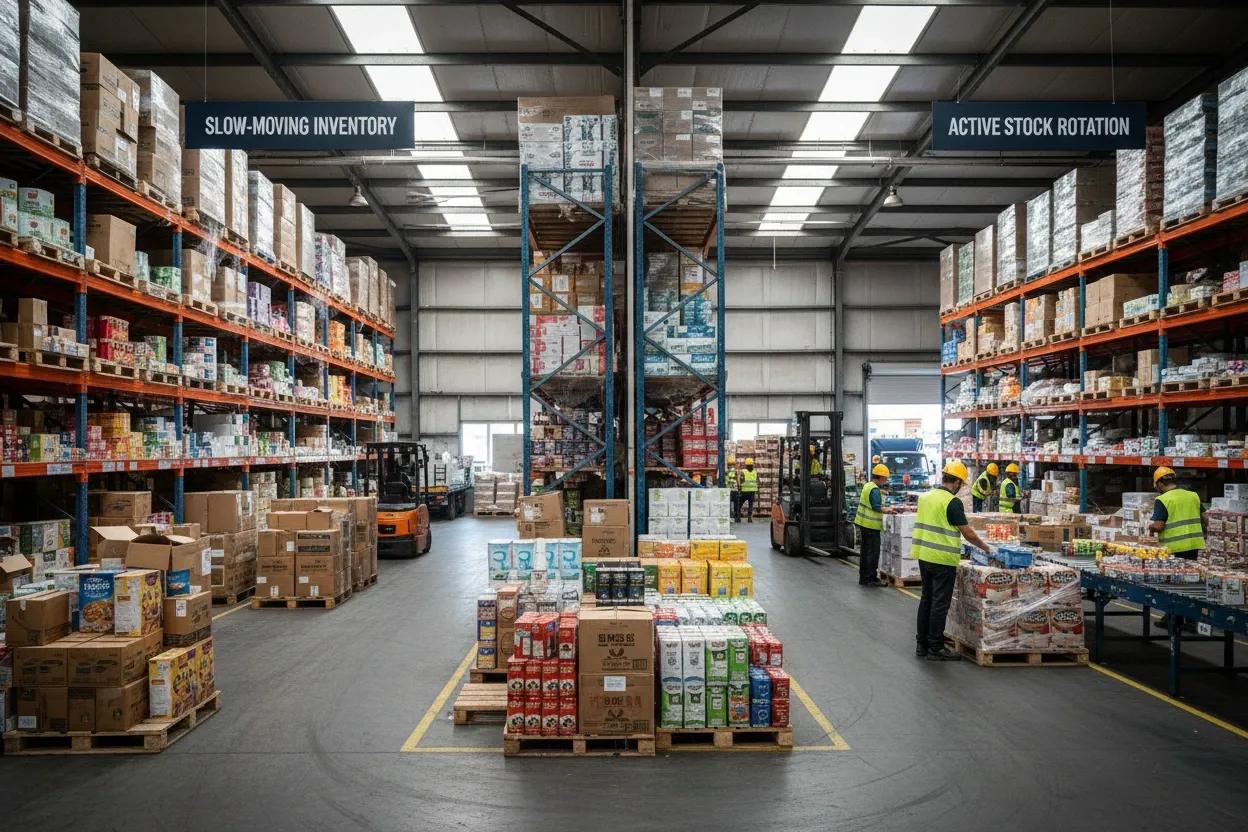
Running a business comes with various operational challenges, and inventory management is one of the most common. Among the issues that businesses frequently face is dead stock. When inventory sits in storage without generating revenue, it can increase warehousing costs, tie up capital, and reduce operational efficiency.
Fortunately, dead stock can be prevented with the right strategies. Businesses can conduct regular stock audits, create promotions for slow-moving products, and use warehouse management services to keep inventory levels under control and reduce the risk of excess stock.
Definition of Dead Stock
Dead stock refers to goods or products that remain unsold for an extended period and no longer retain significant market value. It can occur when items become outdated, fall out of customer demand, or are no longer relevant to a particular season or market trend.
For businesses, dead stock represents a costly inventory issue. It occupies valuable warehouse space, ties up working capital that could be allocated to other products, and may face risks of deterioration, damage, or expiration over time.
Causes of Dead Stock
Dead stock can occur for various reasons, ranging from market factors to operational issues within the company. In some cases, products become difficult to sell because they are approaching their expiration date, no longer match customer demand, or have passed their peak selling period.
In many cases, unsold inventory is linked to poor planning and limited visibility of stock levels. Below are some of the most common causes.
- Inaccurate Demand Planning
Poor demand forecasting is one of the leading causes of dead stock. When a company overestimates customer demand, it may purchase or produce products in larger quantities than necessary.
If actual sales fail to meet expectations, excess inventory remains in storage for extended periods and eventually becomes dead stock. - Overstocking
Many businesses purchase products in large quantities to secure better pricing from suppliers or to avoid stockouts.
While bulk purchasing can reduce procurement costs, it can also create problems when products have low sales volume or slow turnover. - Damaged or Expired Products
Products can become dead stock when they are damaged or reach their expiration date while being stored in the warehouse.
Common causes include poor warehouse management, improper storage procedures, and limited visibility. Without warehouse software, businesses may struggle to monitor product movement and identify items that require immediate attention. - Lack of Coordination with Suppliers
Inventory planning requires close coordination between businesses and suppliers. Product quantities should align with actual market demand to avoid excess inventory.
When communication and planning are not aligned, companies may receive or purchase products that exceed sales requirements. Over time, unsold inventory can accumulate and affect profit margins. - Lack of Inventory Visibility
Some distributors still rely on manual inventory tracking or outdated processes. Without a warehouse management system, it can be challenging to determine available stock quantities, identify slow-moving products, and plan replenishment.
Impact of Dead Stock
Dead stock can negatively affect business operations. From reducing cash flow to taking up valuable warehouse space, unsold inventory can create challenges that limit business performance.
Here are some of the main impacts of dead stock:
- Financial Losses
Dead stock ties up company funds in products that remain unsold. As a result, cash cannot be used for other business needs.
Businesses also need to continue paying warehouse and management costs. - Slower Business Growth
When a large portion of capital is locked in unsold products, businesses may have fewer resources available to expand operations, add new inventory, or respond to market opportunities. - Takes Up Warehouse Space
Unsold goods occupy valuable warehouse space that could be used for faster-selling items with higher demand. - Reduces Operational Efficiency
Managing unsold products requires time and resources. Companies may focus on selling stagnant inventory instead of meeting current customer demand, which can reduce operational efficiency.
How to Manage Dead Stock
There are several strategies businesses can use to reduce the amount of dead stock stored in the warehouse.
- Offer Discounts
One common approach is to sell products at discounted prices. Offering special promotions can attract customers and help move products that have been sitting in inventory for a long period. - Create Product Bundles
Another option is to combine slow-moving items with best-selling products. These bundles can make the offer more appealing while helping reduce excess inventory. - Return Products to Suppliers
If supplier policies allow it, businesses can return products that remain unsold for an extended period. Some suppliers provide return agreements for specific products, although the requirements may vary depending on the supplier and product category.
How To Prevent Dead Stock
Dead stock can reduce cash flow, increase storage costs, and limit business growth. To minimize the risk of unsold inventory, businesses need proper planning and inventory control practices. Here are several strategies that can help prevent dead stock.
- Use an Inventory Management System
Having an inventory management system helps businesses monitor product availability in real time. Accurate inventory data allows teams to track stock movement, identify slow-moving items, and make informed purchasing decisions.
An inventory management system also helps reduce human errors, prevents overstocking, and provides better visibility into inventory across different sales channels. - Conduct Sales Forecasting
Sales forecasting helps businesses estimate future demand based on historical sales data, market trends, and customer behavior. By understanding demand patterns, businesses can avoid ordering excessive quantities. - Monitor Inventory Regularly
Regular inventory reviews help identify products with declining demand before they become dead stock. Businesses can evaluate sales velocity, turnover rates, and performance to determine which items require immediate attention. - Maintain Optimal Stock Levels
Keeping inventory at appropriate levels is essential for reducing excess stock. Businesses should establish minimum and maximum stock thresholds based on sales trends and replenishment schedules. - Improve Communication Between Departments
Coordination between sales, marketing, procurement, and warehouse teams plays an important role in inventory planning. Sharing accurate information about customer demand, upcoming promotions, and market changes helps every department make better decisions. - Offer Promotions for Slow-Moving Products
When certain products show signs of declining demand, businesses can introduce discounts, bundle offers, or special promotions to accelerate sales. Taking action early can help reduce inventory levels before products become difficult to sell.
Reduce Dead Stock with BOSNET Warehouse Management System (WMS)
BOSNET Warehouse Management System helps businesses manage dead stock across the warehouse. By automating inventory processes and providing real-time visibility, businesses can identify products faster, track stock movement accurately, and maintain records across multiple warehouse locations.
With its self-correcting system, BOSNET Warehouse Management System automatically updates inventory records based on the latest physical activity, delivering precise data for smarter decision-making and helping FMCG businesses increase revenue, reduce costs, and protect assets.
Contact us to see how BOSNET can efficiently manage dead stock.
#BOSNET #BestFMCGRunsBOSNET #Distribution #SupplyChain #IncreaseRevenue #ReduceCost