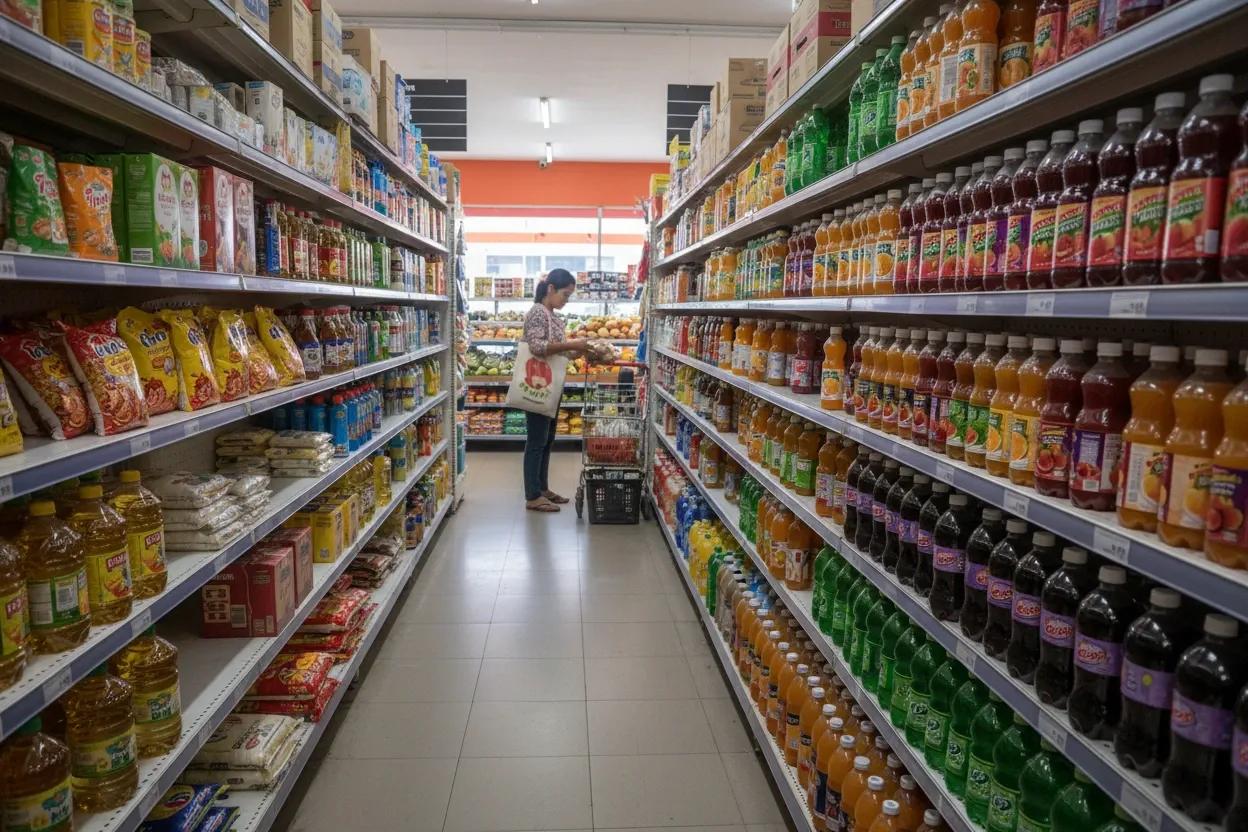
Offtake often becomes a blind spot in distribution. Products may reach many outlets, yet visibility into actual purchases by end customers remains limited.
Limited visibility creates gaps in execution and planning. Companies may overestimate performance, miss early signals of declining demand, or respond late to market changes. A clear understanding of offtake, its role across sales stages, and the right methods to measure it is essential for accurate decision-making.
What is Offtake?
Offtake refers to the volume of goods sold from an outlet to the end customer. It represents actual consumer purchases, not stock movement between warehouses or distributors.
As a key indicator of demand, offtake provides a clear picture of how products perform in the market. Because it reflects real-time sales activity, it helps businesses understand consumer behavior, identify trends, and respond quickly to changes.
Offtake also plays an important role in operational decision-making. Continuous tracking enables companies to manage inventory more efficiently, reduce stockout risk, and maintain product availability across outlets.
Offtake in Distribution
In distribution, offtake measures actual demand at the outlet level. Product availability ensures coverage, while sales to end customers indicate whether that availability translates into demand.
High distribution with low sales signals a gap between availability and market response. Such conditions often indicate that marketing and promotion efforts are not delivering the expected impact at the shelf.
Common causes include pricing that does not align with customer expectations, limited promotion reach, low product visibility, or pressure from competing products.
Strategies to Measure Offtake
- Retail Audit
Retail audits evaluate how products are executed in the market. The scope includes product placement, pricing, merchandising, and promotional activities at the outlet level.
Regular audits help identify gaps between the plan and execution. Teams can assess whether products are visible, priced correctly, and promoted effectively. Insights from audits also provide a clearer view of customer behavior and highlight opportunities for growth across outlets. - Salesman Tracking Software
Sales teams interact directly with outlets and play a key role in driving sales and maintaining stock availability. Their responsibilities include selling products, checking stock levels, and ensuring proper product display.
Salesman tracking software provides visibility into these activities. Management can monitor visits, sales execution, and compliance with standard processes. Structured records support accountability, reduce discrepancies, and help protect assets across the distribution network.
Types of Sales in FMCG
Sales in FMCG distribution are divided into three levels: primary, secondary, and tertiary. Each level reflects a different stage in the movement of goods from manufacturer to end customer.
- Primary
Primary sales refer to transactions between manufacturers or brands and distributors. This stage focuses on how products enter the distribution network. Several factors influence primary sales, such as brand value, product popularity, and the reach of the distribution network. - Secondary
Secondary sales occur when distributors sell products to retailers or replenish stock based on retailer orders. This stage determines how well products are distributed across outlets.
At this stage, distributors need to ensure:
• Stock availability aligns with retailer demand to prevent lost sales.
• A reliable distribution management system to support order, inventory, and delivery processes.
• Trade promotion programs encourage retailers to increase order volume. - Tertiary (Offtake)
Tertiary sales represent purchases made by end consumers at retail outlets. This stage relies heavily on in-store execution and consumer-facing activities. Merchandising, advertising, special offers, discounts, and marketing campaigns all play an important role in influencing purchase decisions and driving sales at the shelf.
150+ Renowned Brands Trust BOSNET for Their Distribution
Over 150 brands rely on BOSNET to manage their distribution and sales processes efficiently. BOSNET provides an end-to-end solution for distributors to track operations, performance, and sales in real time.
Contact us to see how BOSNET can streamline your operations and deliver real-time visibility across your distribution network.
#BOSNET #BestFMCGRunsBOSNET #Distribution #SupplyChain #IncreaseRevenue #ReduceCost