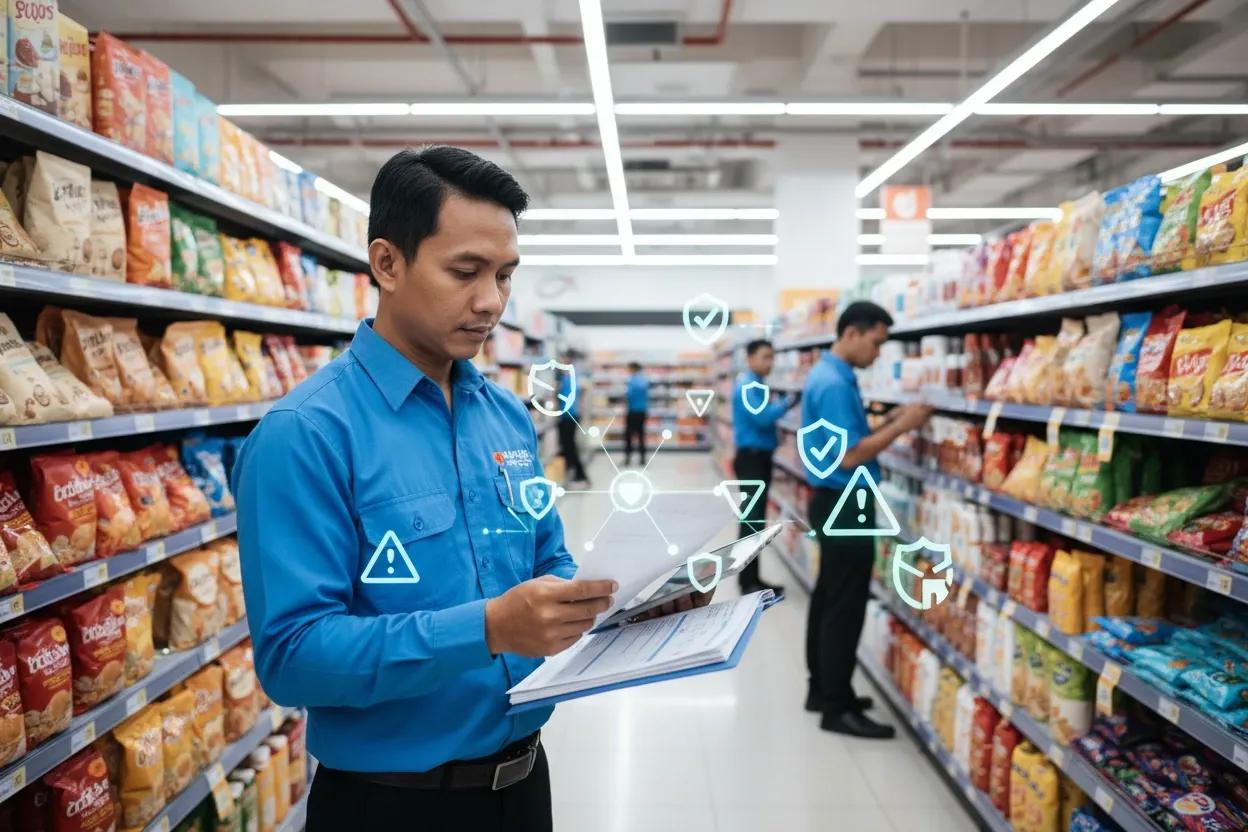
Fraud remains one of the biggest challenges in distribution businesses. As operations expand across sales, warehouses, deliveries, and financial transactions, monitoring every activity becomes increasingly difficult.
Many business losses do not result from a single major incident, but from small irregularities that go unnoticed over time. Manual processes, disconnected data, and limited operational visibility make it difficult to identify potential risks early. As a result, distributors need greater transparency across daily operations to protect business assets and reduce operational risks.
Understanding Fraud in Distribution
Fraud in distribution refers to intentional actions aimed at gaining unfair benefits through dishonest practices within business operations. It can occur at different stages of the distribution process, from procurement and warehousing to sales, delivery, and financial reporting.
Examples include falsified sales transactions, unauthorized inventory movements, inflated expenses, duplicate claims, financial data manipulation, and the misuse of confidential business information or company assets.
The impact of fraud extends beyond financial losses. It can damage a company's reputation, reduce trust among business partners, disrupt daily operations, and create challenges for future growth.
As distribution networks become larger and transaction volumes continue to increase, visibility across operations becomes increasingly important. Access to accurate and timely information helps businesses identify unusual activities earlier and reduce potential risks before they escalate into significant issues.
Why Honesty Matters in Sales
Honesty is one of the most important qualities for every salesman. In distribution, long-term business relationships are built on trust, transparency, and consistent communication. Honest sales practices not only help close transactions but also create lasting relationships with customers and business partners.
- Build Customer Trust
Customers value transparency throughout the sales process. Attempts to hide facts or tell customers only what they want to hear are often discovered over time. Misrepresenting products or services for short-term gains may be considered a form of sales fraud, damaging customer trust and the company's reputation. - Streamline the Buying Process
Hidden charges, misleading information, and unrealistic promises can lead to disputes and customer dissatisfaction. Clear communication about pricing, product availability, delivery schedules, and service commitments helps customers make informed purchasing decisions while reducing the risk of fraud and business disputes. - Increase Customer Loyalty
Customers do not always reject an offer because they are not interested. In many cases, purchasing decisions are influenced by trust. When customers believe they are receiving honest information, they are more likely to continue doing business and recommend the company to others. - Improve Inventory Transparency
Honesty is equally important when communicating inventory availability. Providing accurate information about warehouse stock, product availability, and replenishment schedules helps customers plan their purchases with confidence. It also prevents overpromising, reduces order fulfillment issues, and builds credibility between distributors and customers.
Strategies to Reduce and Prevent Fraud
The following strategies can help distributors minimize fraud risks across sales and distribution operations.
- Establish a Clear Code of Ethics
The first step is to develop and enforce a company code of ethics that emphasizes honesty, integrity, and compliance in every activity. An anti-fraud policy should clearly define different types of sales fraud, including product misrepresentation, false promises, bribery, and sales data manipulation. It should also outline reporting procedures and provide a secure channel for employees to report suspected fraud. - Use a Distribution Management System
A Distribution Management System (DMS) helps reduce fraud by centralizing distribution data within a single platform. Sales orders, inventory movements, deliveries, invoicing, collections, and other operational records are digitally recorded, making business activities easier to monitor and verify. With better visibility into daily operations, businesses can identify unusual transactions, reduce manual errors, and improve accountability across the distribution process. - Implement Salesman Tracking Software
Salesman tracking software helps verify field sales activities through GPS tracking. Every outlet visit is recorded with verified GPS coordinates, timestamps, and digital visit records. Sales are required to complete check-in and check-out at each outlet, providing businesses with accurate evidence of field activities while reducing the risk of fictitious visits and inaccurate reporting. - Digitalize Sales Reporting
Replacing paper-based reports with digital records reduces manual data entry and minimizes opportunities for data manipulation. Automated reporting also provides managers with consistent information for monitoring sales activities and identifying irregularities more quickly. - Monitor Activities with Real-Time Visibility
Real-time visibility into sales activities, inventory, and distribution processes allows managers to identify unusual patterns before they become larger problems. Continuous monitoring supports faster investigations and helps businesses respond to potential fraud with accurate operational data.
Reduce Fraud and Protect Your Assets with BOSNET Solution
BOSNET solutions help distributors monitor asset locations, movements, and utilization across the distribution network from a single platform.
With real-time visibility into trade assets, businesses can reduce losses, simplify audits, monitor status, and improve asset utilization across warehouses, distributors, and outlets.
Contact us to learn how BOSNET can help your business reduce fraud and improve operational visibility.
#BOSNET #BestFMCGRunsBOSNET #Distribution #SupplyChain #IncreaseRevenue #ReduceCost