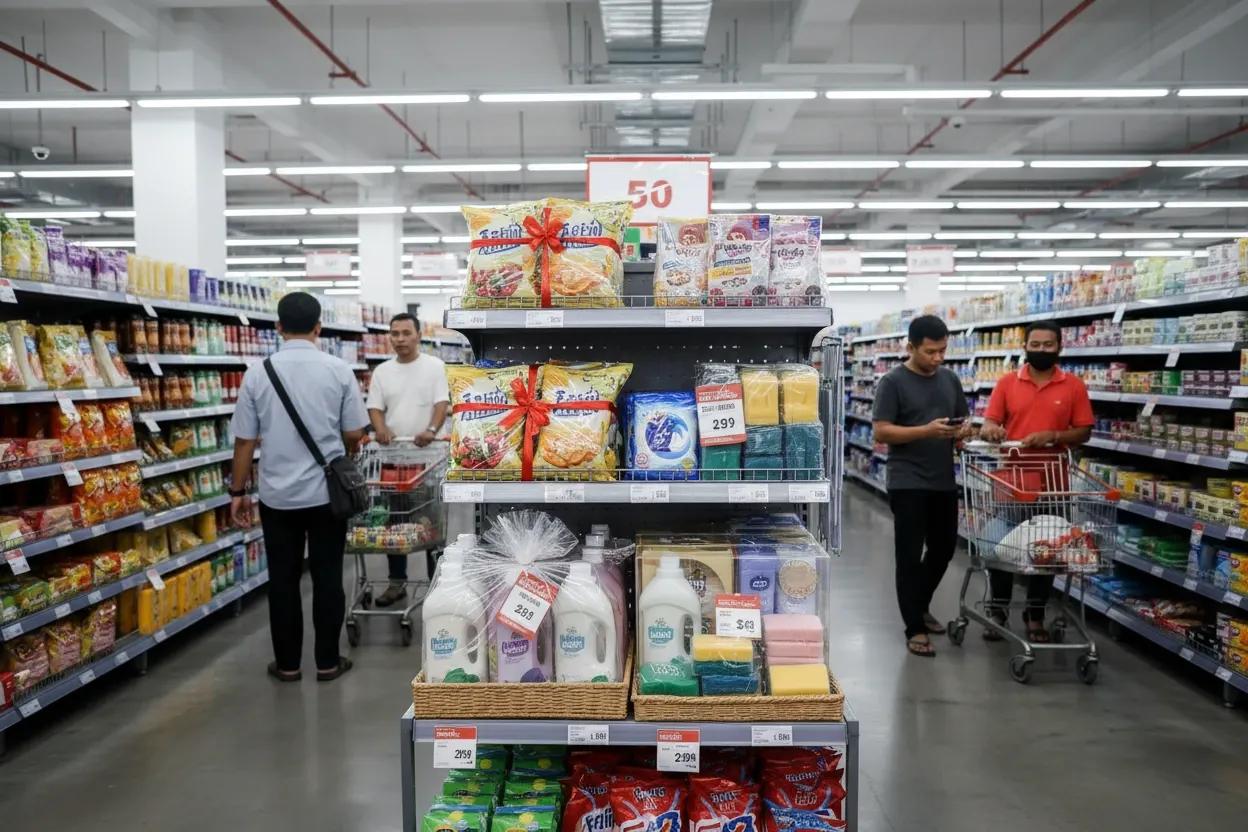
Product bundling has become a widely used strategy across various industries, from FMCG and retail to technology and service businesses. Companies often combine related products into a single offering to create purchasing opportunities that are attractive to customers while supporting business objectives.
When implemented strategically, product bundling can help businesses optimize product portfolios, improve inventory movement, and create greater value for customers. Understanding the different bundling approaches available can help companies choose a strategy that aligns with their products, target market, and sales goals.
What Is Product Bundling?
Product bundling is a promotional strategy in which multiple products are offered together as a single package. Instead of purchasing each item separately, customers can buy the bundled products at a package price lower than the sum of the individual prices.
The purpose of product bundling is to draw customer attention and boost purchase intent by providing extra value and discounts. Bundling related items together can motivate customers to buy additional products they might not have considered when buying items separately.
The strategy is also widely used to increase sales of slower-moving products. By combining high-demand items, businesses can improve inventory turnover. As a result, bundling can help increase sales volume and support revenue growth.
Benefits of Implementing Product Bundling
Product bundling offers advantages for both businesses and customers. When implemented strategically, it can help increase sales, improve inventory movement, and create a better purchasing experience.
- Increase Average Purchase Value
Product bundling encourages customers to purchase multiple items in a single transaction. Instead of buying one product, customers receive additional value through a package that combines complementary products. - Accelerate the Movement of Slow-Selling Products
Bundling can help distributors and manufacturers move products with lower sales performance. By combining slow-moving items with popular products, businesses can reduce excess inventory and improve stock turnover. - Reduce Marketing and Distribution Costs
Promoting a bundle is often more cost-efficient than marketing individual products separately. Businesses can focus their campaigns on a single package offer, reducing promotional expenses. Distribution activities can also become simpler because multiple products are sold together in a single transaction. - Improve Production and Packaging Efficiency
Selling products as a bundle can simplify production planning and packaging activities. Businesses can prepare product combinations in advance, helping teams manage inventory, packaging, and order fulfillment with greater consistency and productivity. - Encourage Brand Loyalty
Customers who receive added value from bundled products are often more satisfied with their purchases. Positive buying experiences can increase customer retention and encourage repeat purchases, helping businesses build long-term relationships with their customer base. - Differentiate Products in a Competitive Market
In highly competitive industries, product bundling can help businesses stand out from competitors. Unique product combinations create additional value that may not be available elsewhere, making offers more appealing to customers and supporting market positioning.
To maximize the results of product bundling as a long-term strategy, businesses also need reliable distribution software. With the right system, companies can monitor inventory availability, manage bundled product performance, analyze sales trends, and execute promotional programs with greater accuracy and visibility.
Types of Product Bundling Strategies
Product bundling can be adapted to different business goals, customer preferences, and market dynamics. Depending on the objective, companies can combine products in several different formats to increase sales opportunities and create additional value for customers.
- Pure
Offers products only as a package. Customers cannot purchase the items separately and must buy the complete bundle.
Businesses often use pure bundling when the products are designed to complement each other or when the package delivers greater value than individual items sold on their own. - Mixed
Mixed bundling allows customers to purchase products individually or as part of a bundle.
Since customers have the flexibility to choose based on their needs and budget, mixed bundling can help increase sales volume while appealing to a wider range of buyers. - New Product
Combines a newly launched product with an existing best-selling item. The popularity of the established product helps introduce the new product to customers, increasing exposure and supporting market adoption. - Cross-Industry
Cross-industry bundling combines products or services from different industries into a single offer.
For example, a snack manufacturer may partner with a beverage brand to create a promotional package. Customers receive products from different categories in a single purchase, creating additional value and expanding brand exposure. - Leader
Uses a flagship or best-selling product as the main attraction of the package. The leading product is paired with other items that need greater visibility or higher sales performance. As a result, businesses can increase demand for products that may receive less customer attention when sold individually. - Joint
Joint product bundling occurs when two or more companies collaborate to create a bundled offering. Through partnerships, participating companies can reach new customer segments, expand market coverage, and create promotional opportunities that may not be possible independently. - Gift
Provides customers with an additional incentive in the form of a free product, bonus item, or special gift when purchasing a bundle.
Adding a reward can make the offer more attractive and encourage customers to choose the bundled package over individual products. - Time-Based
Offers a product package at a special price for a limited period. Businesses often use this strategy during seasonal campaigns, product launches, holiday promotions, or special events to create urgency.
Manage and Track Product Bundling with BOSNET Distribution Management System (DMS)
Accelerate your product bundling execution with BOSNET Distribution Management System (DMS). Designed for distributors and FMCG businesses, BOSNET helps you create, manage, and track product bundling programs from a single platform. By digitizing distribution processes, businesses can reduce manual work, minimize errors, and improve transaction accuracy.
With real-time access to inventory data, product availability, and sales performance, your team can monitor bundle performance and respond quickly to market demand. BOSNET DMS also helps improve coordination between sales, warehouse, and delivery teams, ensuring every bundling program is executed efficiently.
Contact us today to learn how BOSNET DMS can help you manage product bundling.
#BOSNET #BestFMCGRunsBOSNET #Distribution #SupplyChain #IncreaseRevenue #ReduceCost