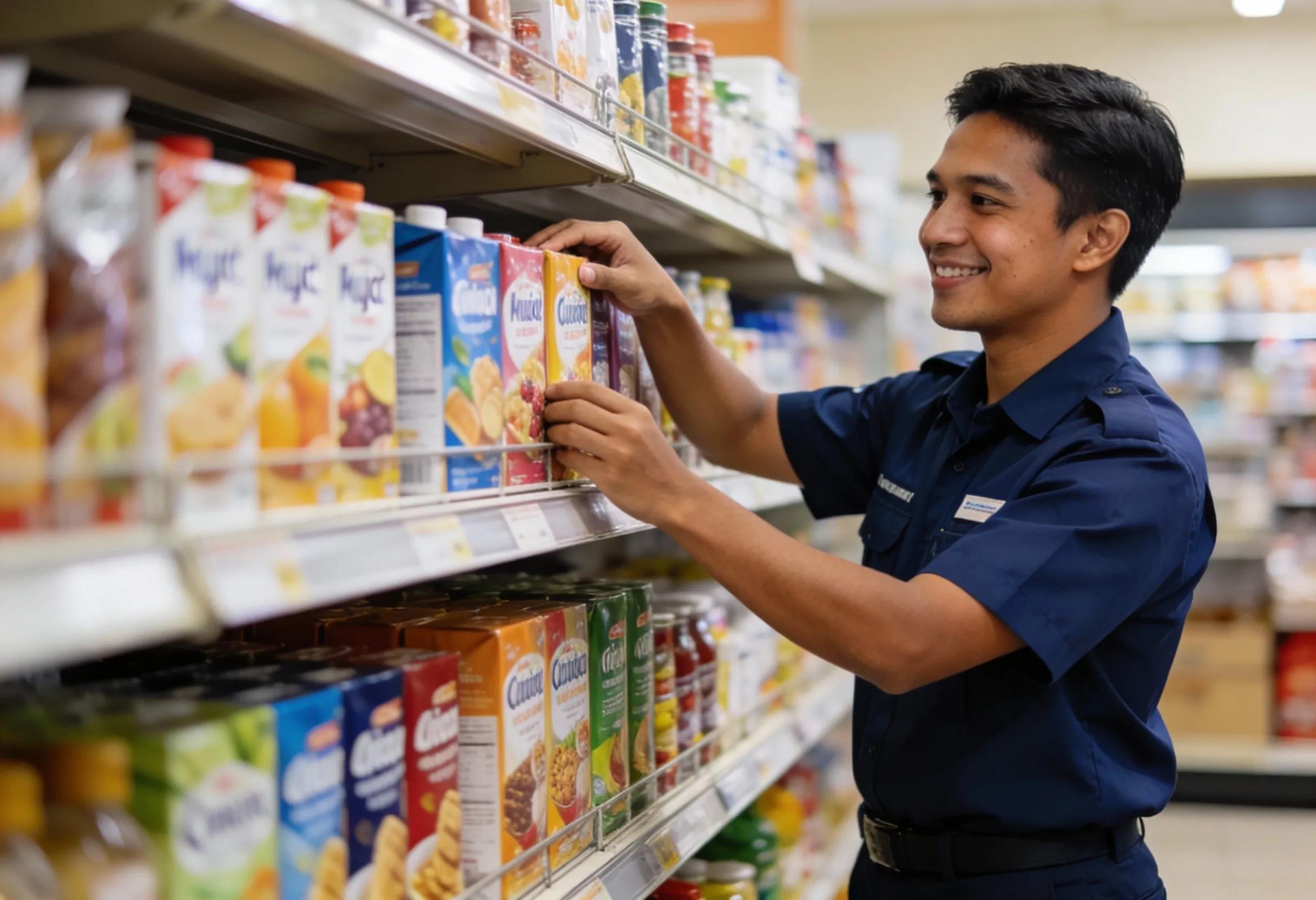
Product placement directly impacts FMCG sales performance and brand visibility. Effective placement drives revenue, strengthens brand presence, and maximizes ROI by positioning products where they deliver the greatest impact.
Yet, many FMCG brands aren’t fully leveraging in-store execution, missing opportunities to optimize shelf space, boost key SKUs, and increase sales per transaction.
What is Product Placement?
Product placement is a marketing strategy that positions products and related items within customers' sight and reach. The goal is to make products effortlessly discoverable, without requiring shoppers to put in extra effort to find or learn about them.
Products placed in prime locations, such as top shelves, category listings, top search results, or sponsored spots, naturally attract more attention and influence buying decisions. In crowded and competitive environments, appearing first or in the most visible spots often determines which products win the sale.
Benefits of Product Placement for FMCG Brands
Unlike traditional ads, product placement integrates the brand naturally into shopping experiences, media, or digital platforms, making it more subtle, memorable, and cost-effective.
Here are key benefits for FMCG brands:
- Increase brand visibility and awareness
Ensures the brand is seen by potential customers. - Strengthen positive brand perception
Builds a favorable impression in consumers' minds. - Cost-effective marketing
Often delivers a higher ROI than traditional advertising. - Influence customer opinions and decisions
Subtly guides purchasing decisions. - Boost long-term sales
Consistent visibility drives repeat purchases. - Target specific audiences
Allows brands to focus on particular customer segments.
How Product Placement Impacts FMCG Sales
In the fast-moving consumer goods (FMCG) industry, where purchasing decisions often happen in seconds, product placement can directly influence FMCG sales. Whether in physical stores or online, the right positioning boosts visibility, guides shopper behavior, and maximizes conversions.
- Enhances Product Visibility
Even top brands won’t sell if they’re badly positioned. Placing products at eye level, on end caps, or near checkout counters increases the likelihood of purchases. - Maximizes Seasonal Demand
Timing and context are everything. Placing products strategically during peak seasons ensures that customer needs are met exactly when demand is highest. Seasonal placement turns trends and events into sales opportunities, making the product feel relevant and timely. - Encourages Impulse Buying
Most in-store buying decisions are unplanned, so positioning products in high-traffic areas or near checkout counters captures these impulse buys. A well-placed item can convert casual browsing into an immediate purchase, boosting overall revenue without extra marketing effort. - Shapes Consumer Behavior
How products are arranged can subtly shape buying decisions. Grouping complementary items or creating bundles encourages shoppers to buy more than they initially planned. - Strengthens Brand Recall
Repeated exposure in prominent locations helps customers remember the brand. Placement in busy aisles or popular sections reinforces recognition, increasing the likelihood that shoppers will choose familiar products over competitors. Strong visibility combined with strategic positioning builds trust and loyalty over time.
Effective Product Placement Strategies
In FMCG, product placement isn’t just about putting stuff on shelves, it’s about putting the right products in the right spot at the right time. Below are a few effective product placement strategies for FMCG brands:
- Eye-Level Positioning
Shelf space at eye level receives the highest shopper attention. Products placed in this zone are easier to recognize and are often perceived as preferred choices. Clear visibility increases spontaneous purchases, especially in aisles with heavy customer traffic. - Placement Near Complementary Products
Placing products near complementary items is a subtle but powerful strategy. When related products are close together, customers often buy more in a single trip. This not only simplifies their shopping experience but also increases the overall basket value. - End-of-Aisle Displays
End-of-aisle displays, also known as end caps, are another hotspot. These areas create urgency and are perfect for highlighting promotions, new launches, or limited-time offers. When products are easy to spot at the end of an aisle, customers are more likely to grab them without hesitation. - Place Items Near Checkout Zones
The checkout zone is prime real estate for FMCG. Items here benefit from high visibility and minimal comparison. Small, frequently used products perform exceptionally well because their low price and convenience make them perfect for last-minute decisions.
Optimize Your Product Placement with BOSNET Vision
BOSNET Vision empowers FMCG companies to take full control of their shelf execution. By continuously monitoring actual store conditions, the system provides real-time insights into product visibility, helping brands ensure their products are always available.
The system automatically evaluates visibility levels, identifies compliance issues, and determines the most optimal product placement, enabling FMCG businesses to increase revenue, reduce costs, and protect assets.
Contact us to learn how BOSNET Visibility Vision can optimize your product placement.
#BOSNET #BestFMCGRunsBOSNET #Distribution #SupplyChain #IncreaseRevenue #ReduceCost #ProtectAssets