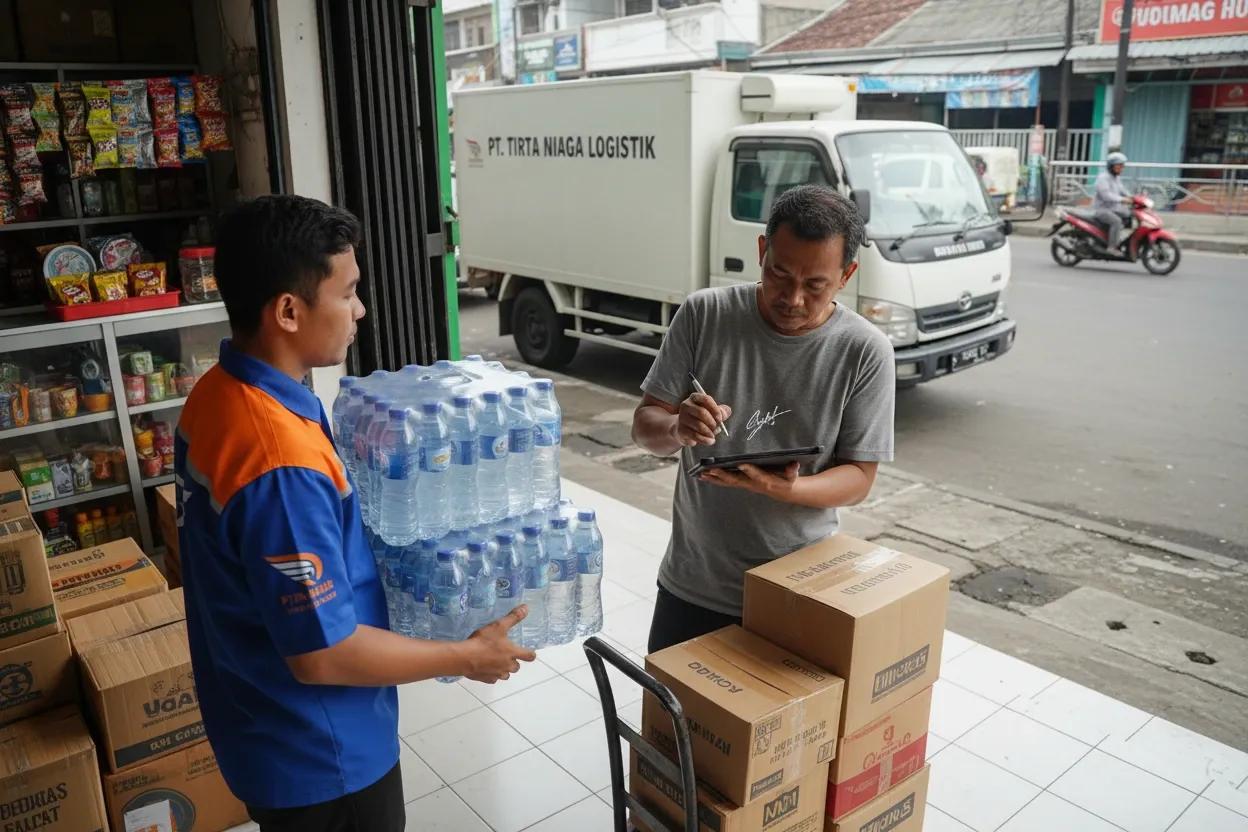
Proof of delivery is an important document used in the shipment process. Businesses that send goods through cargo, logistics providers, or delivery services need clear confirmation that the items have reached the intended recipient and that the handover process has been completed properly.
The record contains more than a recipient's signature. Information such as handover time, recipient details, and shipment notes creates clear documentation for each transaction. Proper records also help prevent financial loss when questions or disputes occur after the shipment arrives.
What is Proof of Delivery (POD)?
Proof of delivery is a document that confirms receipt of a shipment. The document can be in paper or digital form. POD marks the completion of the delivery process.
A POD record contains key shipment details. Information usually includes delivery date and time, recipient name and signature, number of packages delivered, and destination address. Additional notes about the shipment can also be recorded.
Each record serves as documented evidence of the delivery. Teams can review the record if questions arise after the shipment arrives.
Why Distributors Require Proof of Delivery
- Data Verification
Proof of delivery allows both the sender and the recipient to confirm that the shipment has been received as expected. The record verifies the quantity and condition of the goods upon arrival, helping identify any discrepancies in the shipment. - Legal Proof
The document can be used as evidence in cases of lost or damaged goods during the shipping process. The information recorded in the document helps clarify the situation and review what happened during the shipment. - Delivery Confirmation
Records confirm that the shipped goods have been received by the intended recipient and that the shipment process has been completed. - Improve Operational Efficiency
Organized POD simplifies administrative work related to shipment records. Senders and recipients can store transaction information in a structured format, making it easier to manage and review shipment data. - Visibility
Clear records provide better visibility into shipment progress. Businesses can monitor the status of goods and confirm whether shipments have reached their destination.
Operational Challenges Without POD
- Manual Entry
Many distributors still rely on paper-based notes to record shipment confirmation. Paper documents can be lost, damaged, or submitted late, which increases the risk of missing records and potential disputes between distributors and customers. - Delayed Confirmation
Delivery confirmation may only become available after drivers return to the warehouse and submit the documents. Warehouse staff or supervisors must wait for the paperwork before confirming that shipments are complete. - Limited Visibility
Managers may not have clear information on which shipments are completed, pending, or failed. Lack of real-time updates creates gaps in monitoring field activities and responding quickly when issues occur.
E-POD as a Modern Solution for Distributors
Increasing delivery volume requires a more efficient way to record shipment confirmation. Electronic Proof of Delivery (E-POD) allows distributors to record shipment confirmations digitally and store them in a centralized system.
Mobile applications enable field staff to document recipients' signatures, shipment details, and product conditions during handover. Digital records reduce manual paperwork and make shipment information easier to review and manage.
What Is the Difference Between Physical and Digital Proof of Delivery (POD)?
- Physical Proof of Delivery
Physical POD refers to delivery confirmation recorded using paper documents. Drivers typically ask the recipient to sign a printed delivery note or invoice as evidence of receipt. The signed document is later returned to the office for record-keeping.
Manual documentation requires additional time to collect, store, and review the paperwork before the information can be used for reporting or billing. - Digital Proof of Delivery
Digital proof of delivery records shipment confirmation through a mobile application or delivery system. Drivers can capture recipient signatures, photos of the goods, timestamps, and geotags directly from their mobile devices.
Digital records enable real-time shipment confirmation. Managers and supervisors can track completed deliveries more easily, review shipment details faster, and maintain organized documentation across distribution operations.
Manage Proof of Delivery with BOSNET Mobile Delivery
BOSNET Mobile Delivery helps distributors record and manage proof of delivery through a single mobile platform. Drivers can capture recipient signatures, photos, geotag, and shipment notes directly from their mobile devices during the handover process.
BOSNET solutions provide centralized monitoring and real-time reporting, giving your team full visibility of all shipments, preventing delays or loss, and ensuring every delivery reaches its destination efficiently.
Contact us to learn how BOSNET Mobile Delivery can help track and protect your deliveries.
#BOSNET #BestFMCGRunsBOSNET #Distribution #SupplyChain #IncreaseRevenue #ReduceCost