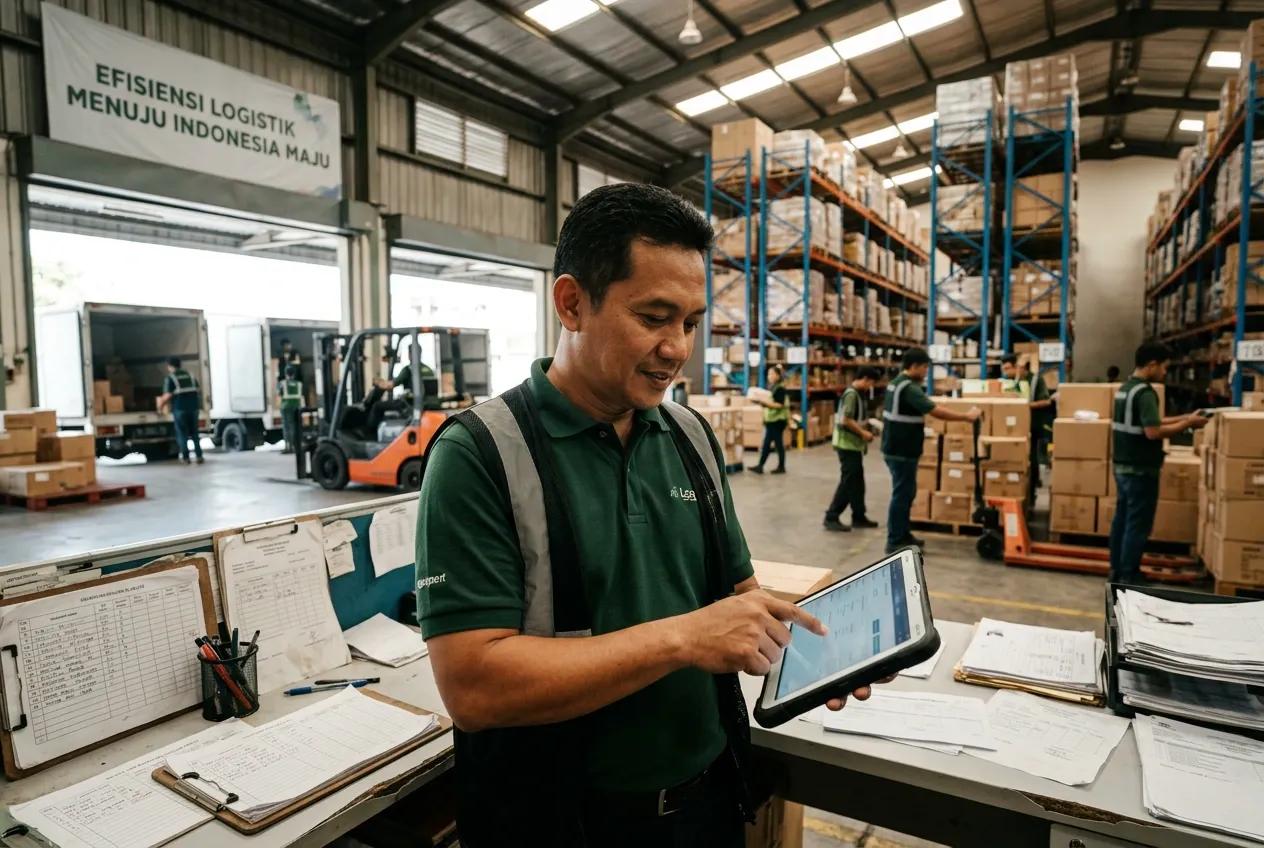
Managing distribution involves many activities. Sales teams visit outlets, warehouses handle inventory, drivers deliver orders, and finance teams process transactions. As the number of products, customers, and locations grows, managing each activity manually becomes harder to control.
Many distributors are turning to digital systems to manage daily operations and access information faster. Digitalization helps connect sales, inventory, warehouse, delivery, and reporting activities so businesses can manage distribution based on actual data.
What Does Distribution Digitalization Mean?
Distribution digitalization refers to the use of digital systems to manage distribution activities and replace manual processes. The process can cover sales orders, outlet management, inventory, warehouse operations, delivery, reporting, and financial activities.
Instead of recording each activity separately, teams can use digital tools to record transactions, monitor operations, and access information as activities take place.
Why Are Distributors Digitalizing Their Distribution?
Several factors are driving distributors to move from manual processes to digital systems.
- Reduce Manual Administrative Work
Distribution involves repeated tasks such as entering orders, preparing reports, updating stock records, and recording delivery activities.
Digital systems reduce the amount of manual data entry involved in daily operations. Salesmen can submit orders through mobile applications, while warehouse and delivery teams can record their activities digitally.
Less administrative work also gives teams more time to focus on their daily operational responsibilities. - Access Distribution Data Faster
Sales and operational decisions depend on current information. Management needs to know sales performance, stock levels, order status, and delivery progress to understand what is happening across the distribution network.
Digital systems make operational data available faster. Teams can review information from different activities and use it when planning the next action. - Improve Sales Execution
Salesmen manage multiple outlets, products, and customer requests during their daily visits. Digital tools help them manage these activities from the field.
Mobile sales applications can provide access to outlet information, product lists, order forms, visit schedules, and customer history. Sales activities can also be recorded as they happen, giving supervisors better visibility into field execution. - Manage Inventory Across Multiple Warehouses
Distributors may operate several warehouses to serve different markets. Managing stock across multiple locations requires accurate information about stock levels and product movement.
A Warehouse Management System (WMS) helps warehouse teams monitor inventory, record goods movement, and manage stock across different warehouse locations. The information also helps businesses identify where stock is available and where replenishment may be needed. - Improve Delivery Management
Delivery operations involve orders, vehicles, drivers, routes, and customer locations. Manual tracking can make it harder to know the status of each delivery throughout the day.
Digital delivery tools help teams record delivery activities, monitor order status, and track field execution. Route planning tools can also help teams plan delivery routes based on operational requirements. - Improve Coordination Between Teams
Distribution depends on coordination between sales, warehouse, delivery, finance, and management. Information from one activity often affects the next.
Digital systems help teams access relevant information from distribution activities and reduce the need to collect updates manually from different teams.
For example, sales teams need to know product availability before taking orders, while warehouse teams need sales order information to prepare products for delivery.
What Happens When Distribution Remains Manual?
Manual processes can create several issues as distribution activities become larger.
Data may be recorded in separate files, making information harder to consolidate. Stock updates may also take longer when warehouse transactions are recorded manually.
Sales supervisors may have limited visibility into field activities, while management may need to wait for reports before reviewing operational performance.
Digitalization addresses these issues by moving key distribution activities into digital systems and making operational information easier to access.
Digitalize Your Distribution With BOSNET Solutions
BOSNET provides end-to-end solutions for FMCG distributors to manage sales, inventory, deliveries, and daily distribution activities with real-time visibility across their operations.
- Distribution Management System (DMS)
A Distribution Management System (DMS) serves as the foundation of distribution automation by managing and automating key operational processes.
The system centralizes sales activities, order management, inventory information, and distribution operations in a single platform. With real-time visibility across the business, companies can reduce manual work, minimize input errors, and improve operational accuracy. - Mobile Distribution
Mobile Distribution is a mobile application designed to help field sales teams manage customer visits and sales activities.
The application provides visibility into field operations, standardizes sales reporting, and enables sales representatives to record activities directly on their mobile devices. - Warehouse Management System (WMS)
A Warehouse Management System helps businesses manage warehouse activities more efficiently.
The system automates processes including receiving, storage, picking, and shipping activities. As a result, businesses can improve inventory management, reduce labor costs, and maintain accurate inventory records across warehouse operations. - Smart Route
Route optimization solutions help businesses identify the most efficient delivery routes for field teams and drivers. BOSNET Smart Route analyzes key parameters to optimize route sequences, vehicle utilization, and delivery schedules. - Mobile Delivery
Mobile Delivery enables drivers and delivery teams to manage distribution activities directly from their mobile devices. The solution provides real-time delivery tracking, digital proof of delivery, and delivery confirmation. - Replenishment
Automated stock replenishment helps businesses maintain product availability by replenishing inventory when stock reaches predefined thresholds, reducing manual intervention and improving inventory accuracy.
From sales execution and order management to warehouse operations and delivery processes, BOSNET helps businesses gain better visibility across the entire distribution cycle.
It's time to move beyond manual processes and adopt a distribution system designed to support future business growth.
Contact us today to learn how BOSNET can transform your distribution.
#BOSNET #BestFMCGRunsBOSNET #Distribution #SupplyChain #IncreaseRevenue #ReduceCost