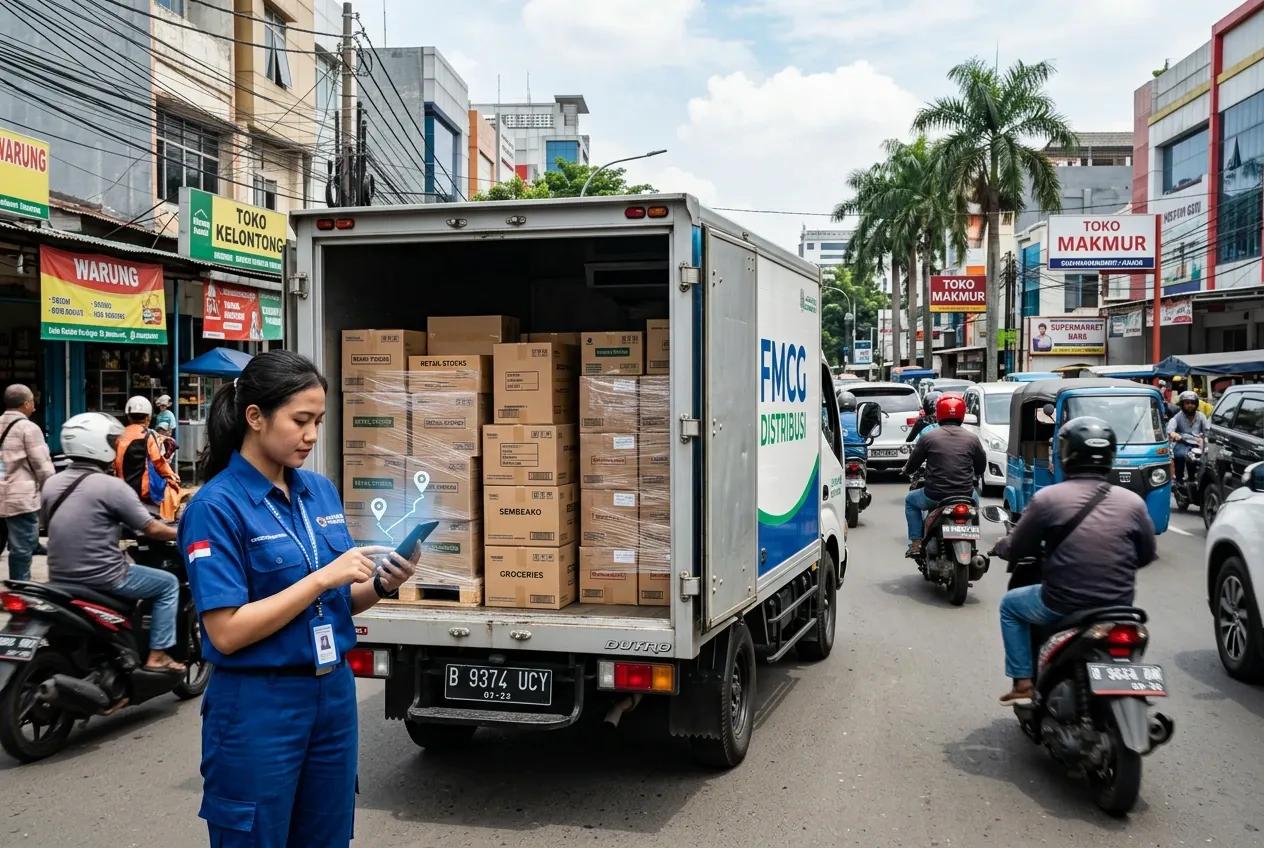
Delivery operations involve multiple factors, from order schedules and vehicle availability to delivery progress and pickup requirements. When teams lack a clear view of these factors, planning the next trip can become less precise and available vehicle capacity may not be fully utilized.
Digital systems help distribution teams connect delivery data with vehicle availability and trip status. With access to up-to-date operational information, teams can plan delivery activities, allocate vehicles based on current requirements, and identify opportunities to reduce empty miles and transportation costs.
What Are Empty Miles?
Empty miles refer to the distance a logistics vehicle travels without carrying any goods. It can happen after a delivery has been completed or while a vehicle is traveling to its next pickup location.
Empty miles often occur when delivery and pickup locations don't align efficiently, distribution activities aren't well coordinated, or route planning doesn't account for the next available load. As empty trips become frequent, vehicle utilization declines while fuel, maintenance, driver working hours, and other operating costs continue to accumulate without generating additional delivery output.
Reducing empty miles helps businesses get greater value from each vehicle trip and control transportation costs.
Functions of Empty Miles Management in Transportation
Empty miles management helps companies use their fleet efficiently and avoid unnecessary transportation costs. By reducing trips without cargo, companies can get greater use from their vehicles, lower operating expenses, and support timely deliveries.
- Increase Fleet Utilization
Reducing empty miles means vehicles spend less time traveling without cargo. Companies can coordinate delivery and pickup schedules so vehicles can carry goods on both parts of a trip whenever possible. This allows the fleet to handle more cargo within its operating hours. - Control Operating Costs
Empty trips still consume fuel and add vehicle mileage. Companies also need to cover toll fees, driver hours, and vehicle maintenance during these trips. Reducing unnecessary empty travel can help lower these expenses and keep transportation costs under control. - Support Timely Deliveries
Better trip planning helps companies assign vehicles based on delivery and pickup schedules. Vehicles can spend less time on unnecessary travel and stay available for planned deliveries, helping goods reach customers according to schedule.
Causes of Empty Miles
- Inefficient Route Planning
A delivery route may end far from the next available pickup location, leaving the vehicle with no cargo for the next trip. Poor scheduling can also prevent companies from combining nearby delivery and pickup activities, resulting in unnecessary empty travel. - Limited Operational Visibility
When fleet locations, orders, and vehicle availability are not updated in real time, transportation teams may not know which vehicles are available or where the next load is located. This can make it difficult to assign cargo to vehicles after a delivery is completed. - Changes in Demand
Demand can change suddenly, affecting planned delivery schedules and cargo availability. When an expected order is reduced, canceled, or moved to another schedule, a vehicle may complete its delivery without having another load ready for the return trip.
Role of Digital Systems in Reducing Empty Miles
- Optimize Route Planning
A digital system can calculate delivery routes based on delivery locations, vehicle capacity, delivery priorities, time windows, and travel distance. Accounting for these factors helps teams arrange delivery sequences that reduce unnecessary travel and make better use of each trip. - Track Delivery Progress
Real-time delivery tracking allows teams to monitor the progress of deliveries and know when a delivery has been completed. This information can help teams plan the next delivery or pickup based on the latest delivery status, reducing unnecessary trips between activities. - Match Vehicles with Available Deliveries
Information on available vehicles and pending deliveries can help teams assign the next load after a delivery is completed. A vehicle can then be directed to another nearby delivery or pickup instead of returning without cargo. - Consolidate Deliveries
Digital systems can help identify deliveries going to nearby locations and group them into a single trip. Combining suitable orders can reduce the number of separate journeys required to serve the same area. - Support Trip Planning with Historical Data
Past delivery data can provide information about travel distances, delivery patterns, trip frequency, and vehicle usage. Reviewing these patterns can help teams plan future trips based on actual distribution activity rather than relying only on manual estimates.
Reduce Empty Miles with BOSNET Solutions
- Smart Route
BOSNET Smart Route helps businesses identify the best delivery routes for distribution activities. By utilizing real-time data, the system automates route planning and determines efficient delivery paths for drivers.
This solution helps companies reduce transportation expenses, minimize travel time, improve delivery scheduling, and increase productivity. With optimized route planning, businesses can deliver products faster while maintaining cost efficiency across distribution operations. - Mobile Delivery
BOSNET Mobile Delivery provides real-time visibility into delivery activities, including vehicle location and delivery status. By knowing the status of each trip, teams can coordinate the next delivery or pickup and reduce unnecessary vehicle travel.
150+ Renowned Brands Trust BOSNET for Their Distribution
Over 150 brands rely on BOSNET to manage their distribution and sales processes efficiently. BOSNET provides an end-to-end solution for distributors to track operations, performance, and sales in real time.
Contact us to see how BOSNET can streamline your operations and deliver real-time visibility across your distribution network.
#BOSNET #BestFMCGRunsBOSNET #Distribution #SupplyChain #IncreaseRevenue #ReduceCost