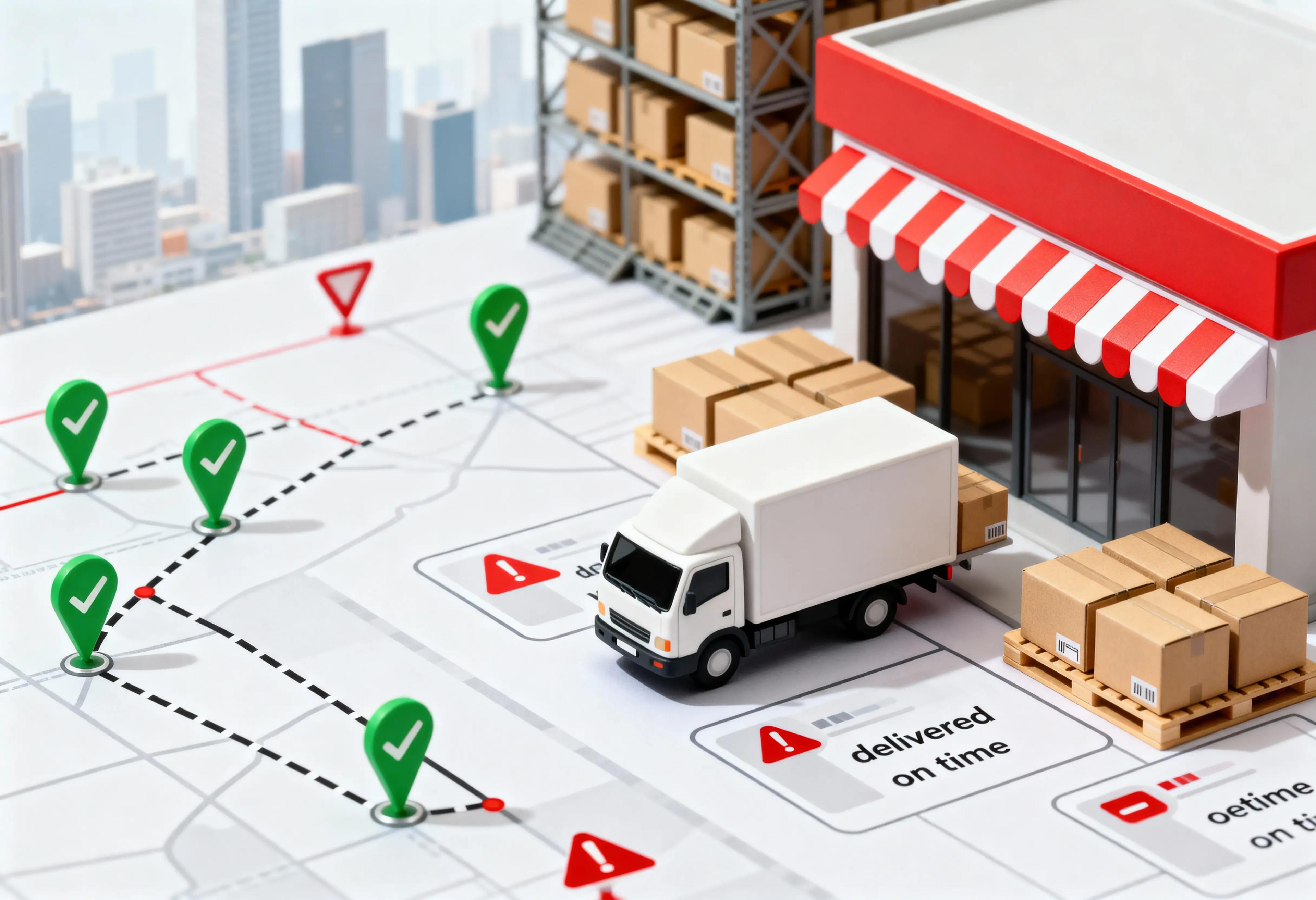
In FMCG distribution, delivery operations often face a range of challenges, with failed delivery among the most common. These failures can delay shipments for days, disrupting schedules and impacting customer satisfaction.
Failed delivery also leads to unnecessary waste of time, fuel, and manpower, increasing operational costs and reducing overall efficiency. Addressing these issues effectively is crucial for maintaining smooth distribution and meeting business targets.
Why Do Failed Delivery Happens?
A delivery can fail for several reasons, often stemming from operational inefficiencies or communication gaps. Common causes include incorrect or incomplete order information, stock shortages, and poorly planned delivery routes.
Human errors, such as mislabeling packages or skipping delivery steps, as well as external factors like traffic or weather, can also lead to failed delivery. Without real-time monitoring and coordinated communication between warehouses, drivers, and recipients, issues may go unresolved, increasing the risk of delayed or missed shipments.
7 Steps to Minimize Failed Delivery in FMCG
Minimizing failed deliveries requires careful planning and technology. The following are effective steps that can be implemented:
- Validate Orders Before Deliveries
Before proceeding with any delivery, it is crucial to carefully verify each order to confirm that all shipping details are correct and complete. This helps prevent products from being delivered to incorrect locations, reducing operational issues and potential financial losses.
Additionally, order validation helps identify and prevent irregularities or fraudulent activity in the sales process, thereby protecting the company’s assets and maintaining strong business relationships. - Optimize Delivery Routes
Another key factor in minimizing failed delivery is optimizing delivery routes. Delays or inefficiencies can lead to missed or failed deliveries, and unclear or poorly planned routes increase the risk of product loss during transit. Careful route planning helps ensure on-time deliveries, reduces operational risks, and enhances supply chain efficiency. - Monitor Deliveries in Real Time
Monitoring shipments during transit enables companies to promptly detect delays, route deviations, or other issues that could hinder successful delivery. Having real-time visibility enables quick corrective measures, such as rerouting shipments or alerting recipients. - Improve Communication and Transparency
Ensure all parties have access to the same shipping information. Clear, transparent communication enables faster decision-making when issues arise in the field, helping resolve problems before they result in a failed delivery
Many companies use integrated software solutions that centralize order and shipment data, keeping everyone aligned throughout the delivery process and reducing the risk of failed deliveries. - Track and Analyze Delivery Performance
Regular audits of delivery processes and analysis of performance metrics help identify areas for improvement. Reviewing delivery times, route compliance, and error rates provides insights for targeted training, which strengthens field teams and reduces the likelihood of future failed delivery - Maintain Stock Levels
Failed deliveries can also occur when products are out of stock, not just due to lost items or inefficient routes. In manual systems, it is often difficult to know in real time whether inventory is available.
Implementing automated inventory management allows companies to monitor stock levels accurately, ensuring product availability. - Use a Delivery Tracking Software
Using mobile delivery software enables businesses to manage and monitor deliveries efficiently, helping to reduce the risk of failed deliveries. The software includes check-in and check-out tracking combined with GPS, automatically recording each step of the delivery process. This provides real-time visibility, allows quick responses to any delays or issues, and supports accurate reporting to prevent and address failed deliveries.
150+ Renowned Brands Trust BOSNET for Their Distribution
Over 150 brands use BOSNET to manage their distribution and sales processes efficiently.
Contact us to see how BOSNET can streamline your operations and provide real-time visibility across your distribution network.
#BOSNET #BestFMCGRunsBOSNET #Distribution #SupplyChain #IncreaseRevenue #ReduceCost #ProtectAssets