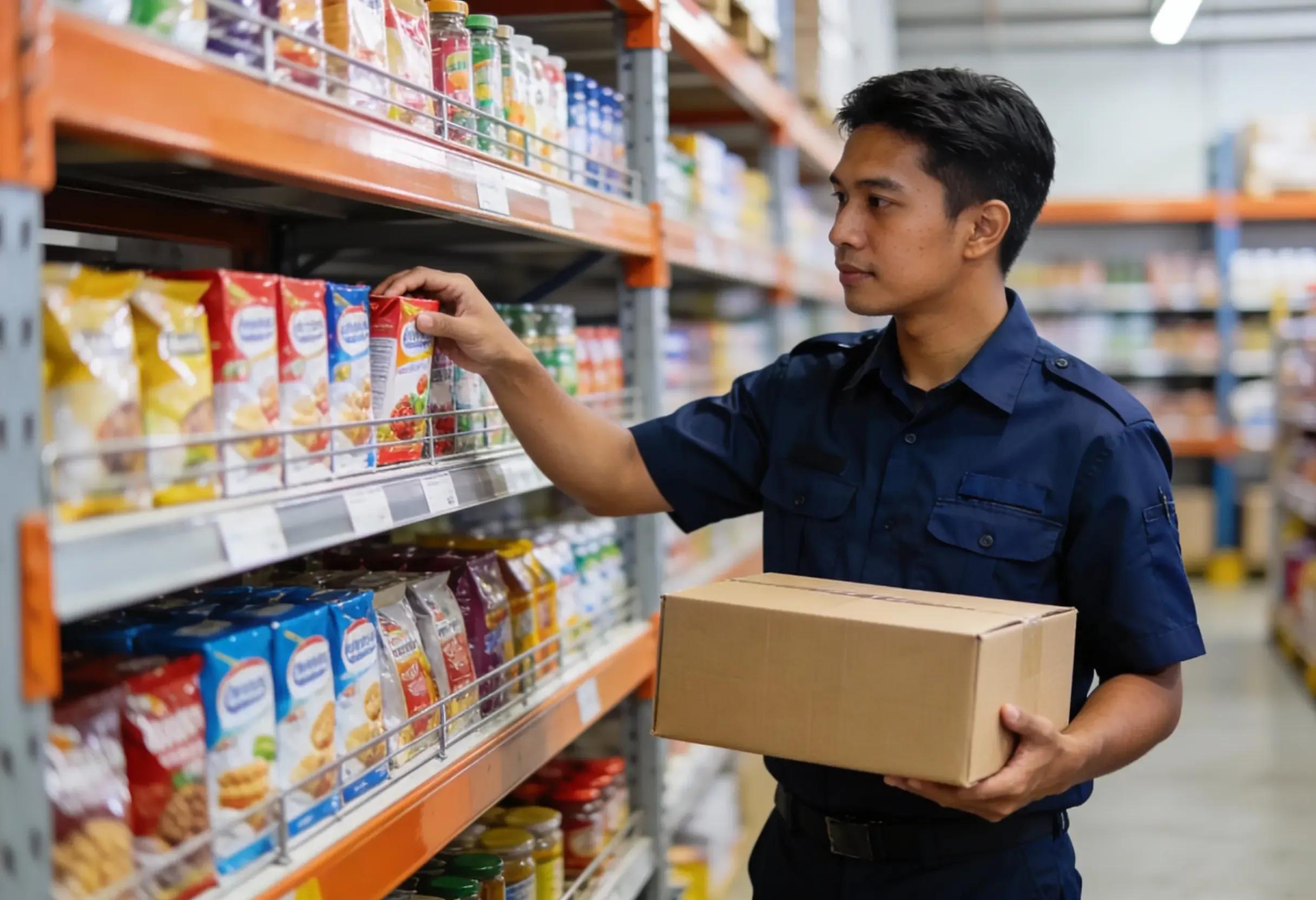
In the fast-paced world of FMCG, restocking is key to ensuring product availability. Without a clear, visible process, managing inventory in real time becomes challenging, leading to costly mistakes and missed opportunities.
For FMCG businesses, an efficient restock process is about accuracy, timing, and control. When orders are delivered in the right quantities and at the right time, companies can reduce costs, keep products consistently available, and ensure operations run efficiently while keeping customers satisfied.
Definition of Restock
Restock is the process of replenishing products that are running low or out of stock in a store or warehouse. This activity ensures that inventory remains available to support daily operations and consistently meet customer demand.
In the Fast-Moving Consumer Goods (FMCG) industry, where products such as food, beverages, and daily necessities are sold in high volumes and move quickly, restocking is essential. Effective restock management helps prevent empty shelves, ensures product availability, and optimizes the distribution flow.
The Benefits of Keeping Stock Replenished in FMCG
Regular replenishment offers numerous advantages for FMCG businesses. Beyond ensuring customer needs are met on time, careful stock management helps prevent production delays and keeps operations running smoothly.
Here are some key benefits of maintaining well-replenished stock:
- Minimize Delivery Delays
Maintaining well-replenished stock is essential to avoid delays in the distribution flow. Regular restocking ensures inventory levels remain sufficient, allowing orders to be processed and delivered on schedule. When products are consistently available, delivery operations can run efficiently. - Prevent Stockouts
Product unavailability leads to lost sales opportunities. This is why frequent and well-planned replenishment is critical in the FMCG industry. By keeping inventory levels under control, FMCG businesses can ensure consistent product availability on store shelves, both in physical outlets and online channels. - Drives Sales and Promotions
Restocking ensures sufficient inventory to support sales activities and promotional programs. When products are consistently available, businesses can confidently run discounts, special offers, or product bundling without the risk of running out of items. This helps maximize campaign performance, attract more customers, and increase overall sales. - Improves Operational Efficiency
Stock shortages can bring operations to a stop. An effective restock system helps optimize warehouse operations, reduce transportation costs, and improve inventory accuracy. As a result, businesses can maintain efficient operations, streamline logistics, and strengthen supply chain performance. - Ensures Customer Satisfaction
With proper replenishment, FMCG businesses can deliver a seamless shopping experience. Consistent product availability builds customer trust, strengthens loyalty, enhances brand reputation, and encourages shoppers to return.
Effective Tips for Restocking Warehouses
To optimize your replenishment, apply the following strategies:
- Analyze Sales Data
Identify high-turnover products and analyze historical sales trends to accurately forecast sales. Inventory levels can then be adjusted to seasonal fluctuations while also anticipating peak seasons, holidays, and promotional events, helping prevent stock outs. - Flexibility in Adapting to Change
The FMCG market is highly dynamic, making flexibility essential. Businesses should be ready to adjust order quantities and product assortments in response to changing demand. Having backup plans for unexpected situations, such as supply chain delays, helps minimize operational risks. - Building Strong Supplier Relationships
Working with reliable suppliers who have a strong reputation and fast response times is crucial for efficient restocking. Price negotiations with suppliers can help reduce production and operational costs. Clear delivery schedules and dependable lead times also build mutual trust and ensure product availability. - Optimize Warehouse Management
Efficient warehouse management streamlines the restocking process. A well-organized warehouse layout allows easy product access, reduces picking time, and improves overall productivity. Implementing FIFO (First In, First Out) method also helps maintain product quality and inventory accuracy. - Utilize a Replenishment Software
Using replenishment software improves both accuracy and responsiveness. Real-time inventory monitoring helps identify when products need to be replenished, while automated alerts notify warehouse teams before stock runs low.
Restock Your Products Efficiently with BOSNET Replenishment
BOSNET replenishment helps optimize your restocking process, ensuring FMCG companies maintain consistent product availability across all outlets. With real-time inventory monitoring, businesses can keep sales operations running efficiently while minimizing delays and stockouts.
By streamlining restocking, BOSNET solutions helps increase revenue, reduce costs, and protect your assets.
Contact us to see how BOSNET can optimize your replenishment and ensure product availability.
#BOSNET #BestFMCGRunsBOSNET #Distribution #SupplyChain #IncreaseRevenue #ReduceCost #ProtectAssets