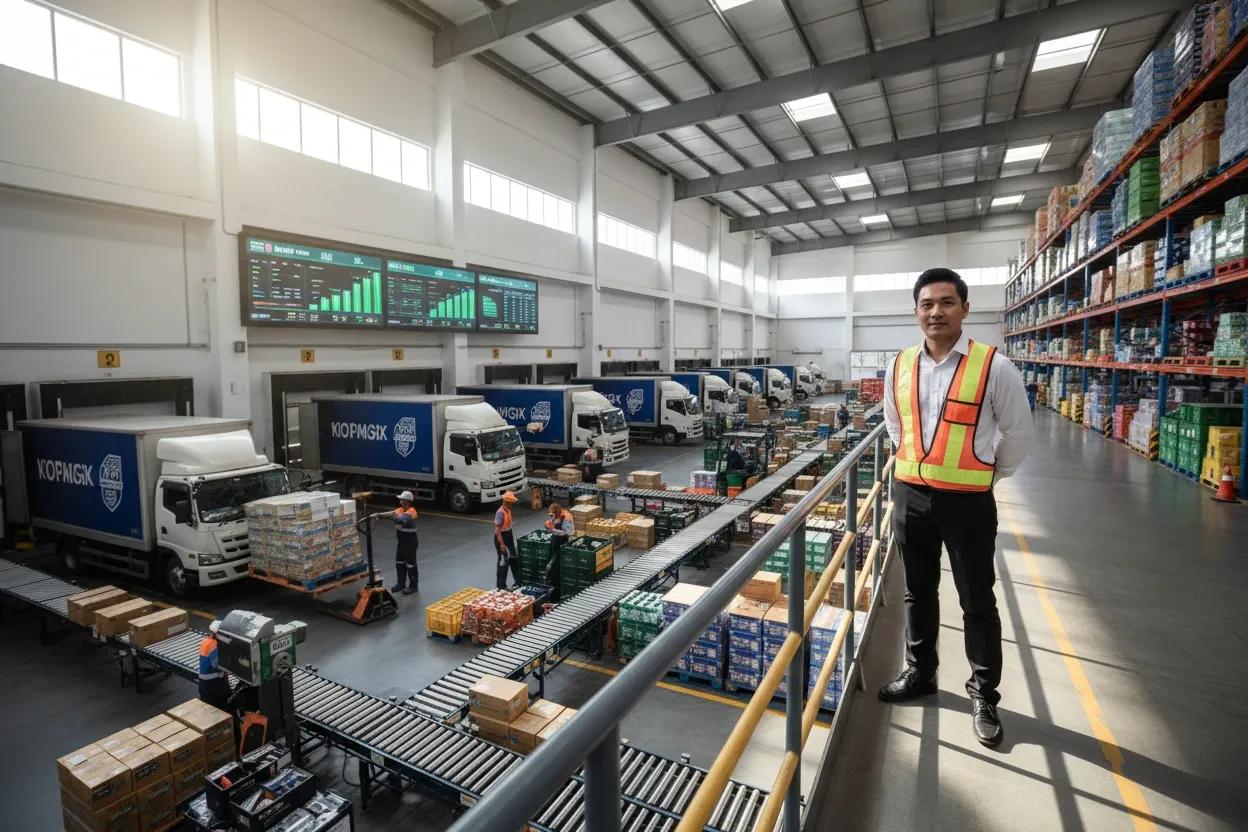
Revenue streams play a vital role in determining whether a business can sustain growth and remain competitive in a dynamic market.
However, many businesses still face challenges in managing revenue efficiently. Inaccurate transaction records, limited business visibility, and changing market trends can make it difficult to identify opportunities and maximize revenue potential.
Definition of Revenue Stream
A revenue stream is a source of income that a business earns through its operational activities. It represents how a company generates revenue from customers who purchase its products or services.
The primary purpose of a revenue stream is to generate cash that belongs entirely to the business. Revenue is earned through commercial activities that create value and contribute directly to the company's income.
Not every source of funds qualifies as a revenue stream. Capital obtained through loans, credit facilities, or other financing arrangements is excluded because it must be repaid and does not originate from revenue-generating activities.
Function of Revenue Stream
A revenue stream plays an essential role in supporting business continuity and long-term growth.
- Supports Financial Planning
By understanding where revenue comes from, companies can plan budgets, manage expenses, and allocate resources more efficiently. - Evaluation
Revenue streams help businesses evaluate the results of their strategies and identify areas that need improvement. - Ensures Sustainability
A stable revenue stream allows businesses to continue operating, adapt to market changes, and pursue long-term growth.
Types of Revenue Stream
Revenue streams can be categorized according to how a business earns income. Understanding these categories helps companies identify which sources contribute to short-term earnings and which provide ongoing financial support. The two common types are transaction revenue and recurring revenue.
- Transaction
Refers to income earned from individual sales or one-time transactions. Revenue is recognized each time a customer purchases a product.
Common examples include product purchases, professional service fees, grants, and one-time financial contributions. - Recurring
Recurring revenue is income that a business receives regularly over time. Since payments are made repeatedly, companies can expect a steady flow of revenue as long as the agreement or subscription remains active.
Examples include subscription plans, membership fees, recurring investments, and periodic funding arrangements.
Challenges in Generating Revenue Streams
Creating and maintaining revenue streams is not always straightforward. Businesses often face several challenges, including:
- Market Competition
One of the biggest challenges is competing in crowded markets where many companies offer similar products and services. The challenge is particularly significant in the FMCG industry, where products move quickly, and sales volumes are high.
Companies must continuously differentiate their offerings, maintain competitive pricing, and ensure product availability to retain customers and protect market share. - Shifting Consumer Trends
Consumer preferences can shift rapidly due to lifestyle changes, economic conditions, and emerging market trends. Products that perform well today may experience declining demand in a relatively short period. Businesses need to monitor customer behavior closely and adapt their strategies to remain relevant and capture new revenue opportunities. - Financial Management Issues
Poor financial management can limit business growth and reduce profitability. Inaccurate record-keeping, limited visibility into financial performance, and insufficient analysis often make it difficult for businesses to identify profitable opportunities or address potential risks. - Technology Adoption
Technology continues to reshape how businesses operate and generate income. Companies that fail to keep pace with technological developments may miss opportunities to create new revenue streams and risk falling behind competitors that adopt digital innovations more quickly.
Technology plays an important role across key operational areas, including taking order, inventory tracking, and delivery processes. Businesses that continue relying on manual processes in these functions often experience inefficiencies that can lead to lost sales and reduced revenue potential.
BOSNET Solutions for Increasing Revenue
BOSNET provides an integrated suite of solutions that helps distributors increase revenue by improving operational visibility and optimizing business processes.
The following solutions are designed to support revenue growth across distribution operations.
- Distribution Management System (DMS)
Distribution Management System (DMS) is a core solution designed to manage and automate distribution processes end-to-end. Built for distributors with high transaction volumes and complex operational requirements, DMS centralizes critical business activities within a single platform.
With better visibility into sales, inventory, purchasing, and financial data, distributors can respond faster to market demand, improve product availability, and capture sales opportunities that might otherwise be missed. - Mobile Distribution
Mobile Distribution is a mobile application designed to help field sales teams manage customer visits and sales activities.
The application provides visibility into field operations, standardizes sales reporting, and enables sales representatives to record activities directly from their mobile devices. Real-time reporting helps businesses monitor sales execution, identify sales opportunities in the field, improve customer coverage, and support faster order processing. - Warehouse Management System (WMS)
Warehouse Management System (WMS) helps distributors manage warehouse operations and inventory movement with greater accuracy.
The solution supports stock management, product tracking, inbound and outbound processes, and order fulfillment activities. Through accurate inventory data and product visibility, distributors can minimize stock shortages, reduce inventory discrepancies, and ensure products are available when customers need them, helping protect sales opportunities and revenue. - Mobile Delivery
Mobile Delivery enables drivers and delivery teams to manage distribution activities directly from their mobile devices.
The solution provides real-time delivery tracking, digital proof of delivery, and delivery confirmation. By digitizing delivery processes, businesses can improve shipment visibility, verify order completion, and provide customers with a better delivery experience. Reliable delivery execution helps improve customer satisfaction, encourage repeat purchases, and support long-term revenue growth.
150+ Renowned Brands Trust BOSNET for Their Distribution
Over 150 brands rely on BOSNET to manage their distribution and sales processes efficiently. BOSNET provides an end-to-end solution for distributors to track operations, performance, and sales in real time.
Contact us to see how BOSNET can streamline your operations and deliver real-time visibility across your distribution network.
#BOSNET #BestFMCGRunsBOSNET #Distribution #SupplyChain #IncreaseRevenue #ReduceCost