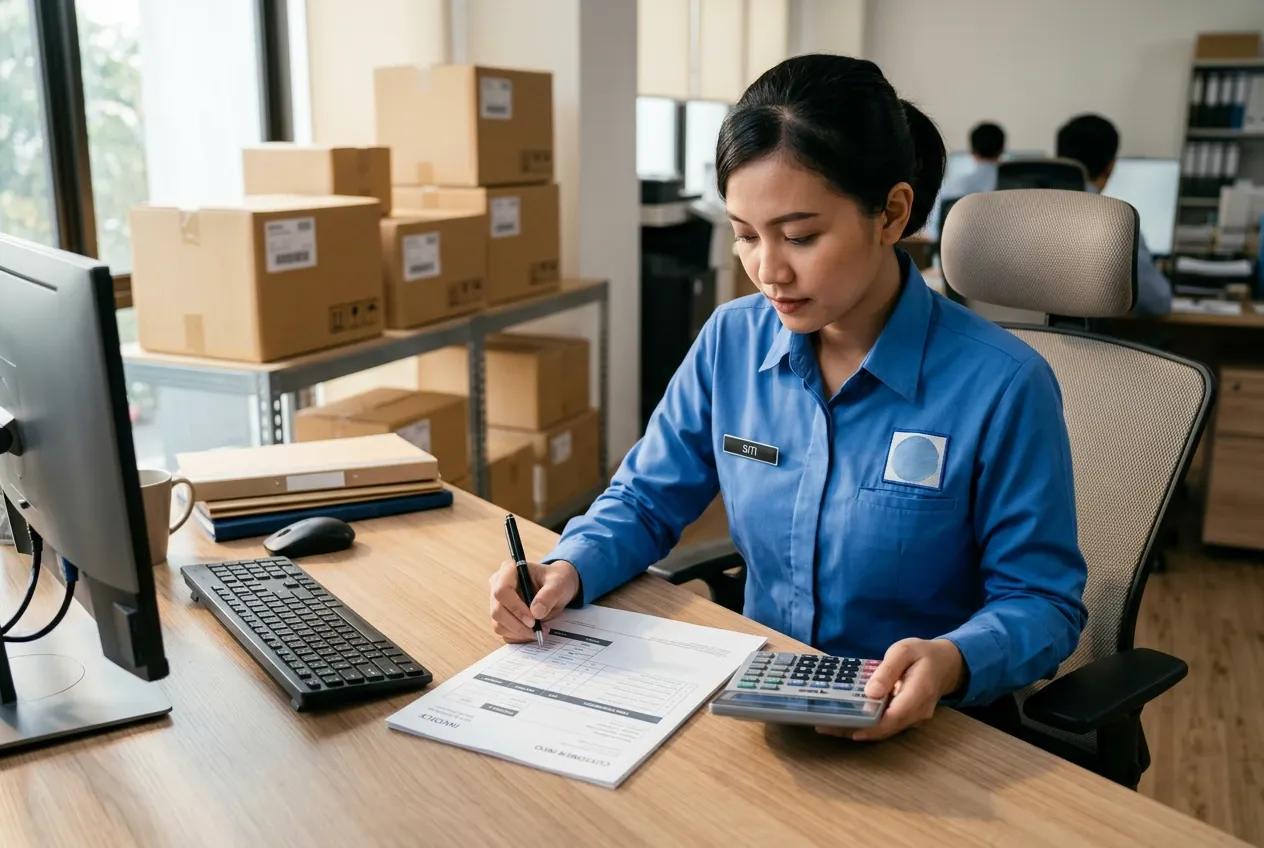
A sales invoice is an important document in a sales transaction. It records the products or services sold, the amount charged, and the payment details linked to the transaction.
As transaction volumes grow, businesses handle a large number of sales records, payments, and customer transactions. Missing or incorrect details can make it challenging to verify what was sold, how much was charged, or whether a payment has been received.
Keeping sales invoices well documented gives each transaction a clear reference for sales, finance, and customers. It also helps teams review transaction details, monitor payment status, and manage differences when they arise.
What Is a Sales Invoice?
A sales invoice is a formal bill sent from a seller to a buyer after a sale. It records key transaction details, including the products sold, agreed prices, total amount due, and payment deadline.
A sales invoice also serves as an official record of the transaction. It helps both parties track sales, confirm payment obligations, and maintain accurate financial records.
Components of a Sales Invoice
Each section of the sales invoice contains important details. These components help ensure that every transaction is recorded clearly and accurately. The main components include:
- Invoice Number
Each invoice should have a unique number for easy identification, tracking, and record-keeping. - Seller Information
The invoice includes the seller's business name, address, phone number, and email address. - Buyer Information
Buyer details identify the customer involved in the transaction. Information can include the company or customer name, address, phone number, and email address. - Product or Service Description
The invoice lists the products or services sold, along with the quantity, unit price, and relevant descriptions. Each item should include enough detail to identify what was included in the transaction. - Total Amount
The total amount shows the value of the transaction. It can include discounts, taxes, shipping charges, or other applicable costs. - Date
The sales date indicates when the transaction took place. It helps businesses organize transaction records and monitor sales activity. - Payment Method
The invoice can state how the buyer will make the payment, including bank transfer, credit card, or cash.
Sales Order vs. Sales Invoice
Sales orders and sales invoices are both important documents in the sales process, but they serve different purposes. A sales order records a customer's request for products or services, while a sales invoice records the amount that the customer needs to pay after the sale takes place.
- Sales Order
A Sales Order (SO) is created after a customer places an order. It contains details such as the products or services requested, quantities, agreed prices, and delivery information.
The document helps sales and warehouse teams prepare the order for fulfillment and delivery. - Sales Invoice
A sales invoice is issued after the products or services have been delivered or the sale has taken place. It contains the products or services sold, total amount due, payment terms, and applicable taxes.
The document serves as a formal bill that tells the customer how much needs to be paid and when payment is due.
Key Differences
- Purpose: SO records a customer's order, while a sales invoice records the completed sale and payment amount.
- Timing: A sales order is created before fulfillment or delivery, while a sales invoice is generally issued after fulfillment or delivery.
- Payment: A sales order does not request payment, while a sales invoice serves as a bill for the customer.
- Operational Use: A sales order guides order preparation and delivery, while a sales invoice supports payment processing and financial records.
- Role: The sales order helps teams prepare the customer's order, while the sales invoice helps collect payment after the sale.
Why Should You Keep Track of Sales Invoices?
Keeping track of sales invoices helps businesses monitor transactions, maintain financial records, and track stock movement. Each invoice provides useful information that supports daily sales and distribution activities.
- Proof of Transaction
A sales invoice serves as valid proof that a sale has taken place between a seller and a buyer. It records key transaction details, including the products sold, prices, and total amount due. Having a clear record can also help prevent disputes when there are differences in transaction details or payment amounts. - Financial Records
Revenue from sales can be recorded through invoices and used for tax calculations and financial reporting. Accurate records also help businesses review sales performance and monitor outstanding payments. - Inventory Monitoring
Information about products sold can help businesses monitor inventory levels and track stock movement. Sales data also supports inventory planning and purchasing decisions based on demand.
Streamline Sales Invoicing with BOSNET Distribution Management System (DMS)
Take full control of your invoicing and financial operations with BOSNET Distribution Management System (DMS), an automated solution designed to handle, create, track, and manage invoices. Our system ensures accurate records, timely payments, and full compliance with tax regulations.
Gain real-time insights into accounts receivable and payable, prevent errors, and reduce administrative workload. BOSNET DMS helps businesses improve cash flow, secure transactions, and streamline document management.
Contact us to learn how BOSNET can streamline invoicing and optimize your financial workflow.
#BOSNET #BestFMCGRunsBOSNET #Distribution #SupplyChain #IncreaseRevenue #ReduceCost