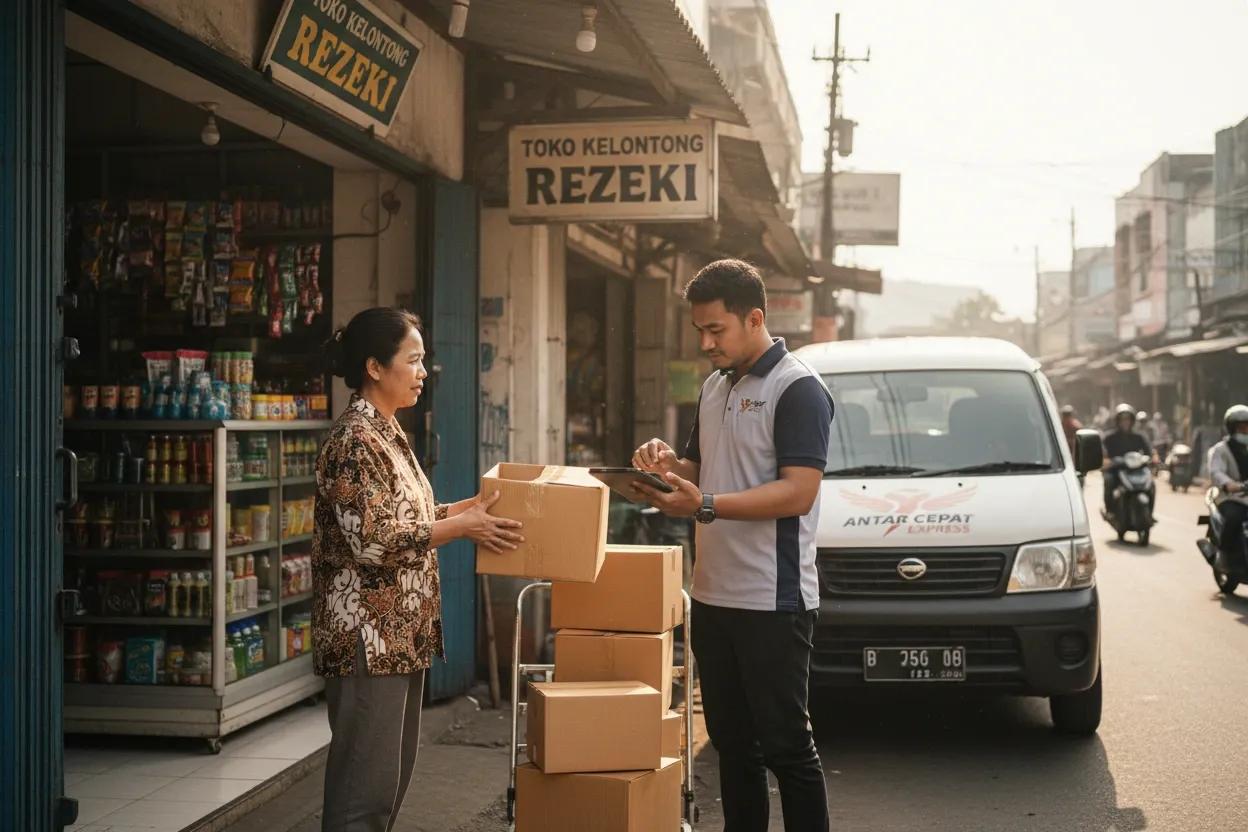
Sales returns are a common activity in distribution, where products are sent back after delivery due to various issues. Such cases often occur when there is a mismatch between the order and the actual goods received, or when the product condition does not meet expectations.
Each return requires proper verification and clear documentation to ensure the transaction is valid and accurately recorded in financial and inventory records.
What is Sales Return?
Sales return is the process of returning goods from customers, such as retailers or agents, to the distributor or manufacturer. The return typically occurs after delivery when products do not meet the agreed conditions.
Each transaction requires proper documentation, such as an official return invoice, to ensure validation and accurate recording. The objective is to replace the goods or adjust outstanding receivables. Proper handling ensures financial records remain accurate and inventory movement stays under control.
Sales Return vs Purchase Return
- Parties Involved
Sales returns involve the buyer and the seller, in which the buyer, such as a retailer or agent, sends goods back to the distributor or manufacturer. The process is initiated when the buyer finds issues after receiving the products.
Purchase return involves the seller and the supplier, where the seller returns goods to the supplier due to issues identified after receiving the products. - Types of Transactions
Sales returns can result in several outcomes depending on the situation. When payment has not been made, the transaction reduces the outstanding receivable. Once payment is complete, the seller may issue a refund. In other cases, the seller provides replacement goods for items that are damaged or not as ordered.
Purchase return depends on how the goods were originally purchased. For credit purchases, the transaction reduces the payable based on the agreed terms. For cash purchases, the seller may receive a refund or exchange the goods if there is damage or a mismatch with the order.
Common Causes of Sales Return in Distribution
Sales returns in distribution often occur due to gaps in order accuracy, delivery execution, and product condition. Each issue directly affects customer acceptance and leads to product returns.
- Incorrect Quantity or Goods
Errors in order fulfillment are one of the main causes of sales returns. Goods may be delivered in excess quantity, or additional items may be included unintentionally. Cases also include sending the wrong product or delivering items of a different size or color than requested. - Delivery Delays
Late delivery reduces product relevance, especially for fast-moving or time-sensitive goods. Retailers may no longer need the products when they arrive, or shelf space may already be allocated to other items. Delays on the seller's side often result in returns to avoid overstocking or missed sales opportunities. - Damaged Products
Goods that arrive damaged, defective, or not in sellable condition are usually rejected by the buyer. Poor handling during transportation or inadequate packaging often becomes the main cause.
Process of Managing Return
- Identify Reasons for Return
The process starts with identifying why the goods are sent back. Returns may occur due to operational errors, such as incorrect delivery, or due to product issues. Verification is required to confirm that the transaction is valid and supported by proper documents. - Analyze Impact
The next step focuses on understanding the financial and operational impact. Returned goods affect several accounts, including sales revenue, inventory, and either accounts receivable or cash. Proper analysis ensures that all affected areas are identified before recording the transaction. - Journal Entry
After the reason and impact are confirmed, the transaction must be recorded in the accounting journal. The entry generally includes:
• Debit to reduce previously recorded sales revenue
• Debit to add returned goods back into inventory
• Credit to record a refund to the customer or reduce accounts receivable if payment has not been made
Accurate journal entries ensure consistency between physical stock and financial records. - Update Sales Report
The final step is updating the sales and financial reports. Adjustments are required to reflect the transaction correctly in revenue, inventory, receivables, or cash. Updated reports ensure all changes are recorded accurately and can support decision-making.
Manage Sales Return with BOSNET Distribution Management Systems (DMS)
Take control of your return process with BOSNET Distribution Management Systems (DMS), a digital solution designed to manage and track product returns across your distribution network.
Our solutions provide businesses with real-time insights into sales returns, inventory, and receivables. BOSNET DMS helps businesses improve cash flow, secure transactions, and streamline document management.
Contact us to learn how BOSNET can help you manage sales returns efficiently and optimize your financial workflow.
#BOSNET #BestFMCGRunsBOSNET #Distribution #SupplyChain #IncreaseRevenue #ReduceCost