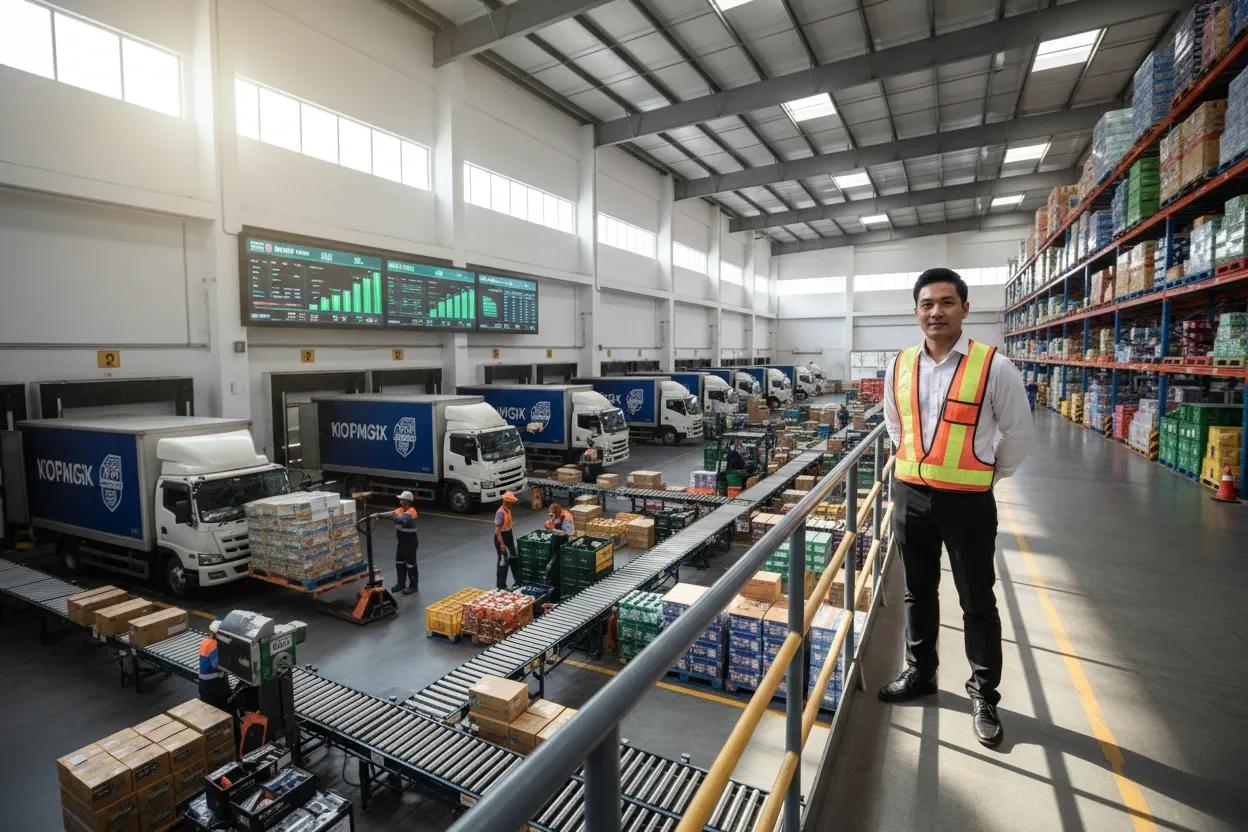
Starting an FMCG distribution business may begin with a few products, several outlets, and a small delivery area. As demand grows, the business needs to handle more orders, manage larger inventory, serve additional outlets, and coordinate a wider sales network. Each part of the operation needs to work together to keep products moving from suppliers to customers.
For new local distributors, the challenge is not only finding products and customers but also building a system that can support daily operations as the business grows. Inventory, supplier relationships, sales activities, deliveries, and customer orders all need to be managed from the beginning. Understanding these requirements can help distributors build a solid foundation before expanding into new markets.
The Growing Opportunity for Local FMCG Distributors
The FMCG (Fast Moving Consumer Goods) industry in Indonesia covers products that people use every day, such as food, beverages, household products, and personal care items. Since these products are purchased regularly, businesses need a distribution network that can keep them available across different areas.
For local distributors, this creates an opportunity to supply products to stores and customers within specific regions. However, running a distribution business involves more than buying products from manufacturers and selling them to retailers. Distributors also need to manage inventory, orders, deliveries, customers, and relationships with principals and outlets.
As the number of products, customers, and delivery areas grows, managing these activities becomes an important part of running the business. A well-managed distribution business can support regular cash flow, expansion into new areas, and long-term partnerships with brands.
Choosing the Right Products and Brands
Selecting the right products is one of the first decisions to make when starting an FMCG distribution business. The products you choose should match the needs of the local market rather than simply following products that are popular in other areas.
Start by looking at which products people regularly buy, the purchasing power of customers in the area, and changes in consumer demand. Products with regular demand can help distributors maintain sales activity and manage inventory based on actual market needs.
The brand also matters when choosing products to distribute. Consider brands that already have customer demand, maintain a good reputation, and provide clear support to their distribution partners. A suitable product and brand can help distributors build relationships with retailers and develop a customer base within their target area.
- Building Partnerships with Principals and Suppliers
Once you have selected the products and brands to distribute, the next step is to establish a partnership with the principal or supplier. The partnership gives distributors access to the products and defines how the distribution will be managed within the target market.
Principals may consider several factors before appointing a distributor, such as the distributor's distribution capacity, target coverage area, and previous business experience. Having a clear plan can help demonstrate how you intend to introduce and distribute the products in the market.
A distribution partnership also involves ongoing communication between the distributor and principal. Clear communication about sales, inventory, market coverage, and future plans helps both parties coordinate their activities as the business develops. - Setting Up an Efficient Distribution System
Having the right products and supplier partnerships is only part of running an FMCG distribution business. Distributors also need a distribution system that keeps products available and ensures orders reach customers as planned.
The basic setup includes a warehouse, inventory management system, and delivery process. Each part needs to work together so distributors can keep track of stock, process orders, and manage deliveries as sales volume grows.
Digital systems can support these activities by recording inventory, orders, and delivery information in one place. With updated data, distributors can check stock levels, monitor orders, and review distribution activities without relying entirely on manual records. - Building a Sales and Outlet Network
A distribution business needs a sales network that connects products with retailers and customers. Building relationships with stores, small retailers, and other sales points helps distributors expand product coverage within their target area.
Sales teams play an important role in developing this network. They can introduce products to new outlets, take orders, and maintain regular communication with existing customers. As the number of outlets grows, distributors also need to keep track of customer needs and product availability.
Maintaining these relationships is just as important as adding new outlets. Regular service, timely order fulfillment, and product availability can help distributors maintain their customer base and support ongoing sales. - Using Technology to Scale Your Distribution Business
As a local FMCG distributor grows, the number of products, outlets, orders, and sales activities also increases. Managing these activities manually can make it harder to keep track of stock, monitor sales, and review business performance.
Digital systems allow distributors to record and access sales, inventory, and distribution data in one place. Updated information helps teams monitor daily activities, identify changes in business performance, and make decisions based on current data.
Technology also gives distributors the foundation to manage a larger operation without relying entirely on manual records. As the business expands into new products, outlets, or areas, digital systems can support the additional activities that come with that growth.
BOSNET Solutions For Local FMCG Distributors
BOSNET provides end-to-end solutions for distributors to monitor operations, sales performance, inventory movement, and distribution activities in real time.
- Distribution Management System (DMS)
A Distribution Management System (DMS) serves as the foundation of distribution automation by managing and automating key operational processes.
The system centralizes sales activities, order management, inventory information, and distribution operations in a single platform. With real-time visibility across the business, companies can reduce manual work, minimize input errors, and improve operational accuracy. - Mobile Distribution
Mobile Distribution is a mobile application designed to help field sales teams manage customer visits and sales activities.
The application provides visibility into field operations, standardizes sales reporting, and enables sales representatives to record activities directly on their mobile devices. - Warehouse Management System (WMS)
A Warehouse Management System helps businesses manage warehouse activities more efficiently. The system automates processes including receiving, storage, picking, and shipping activities. As a result, businesses can improve inventory management, reduce labor costs, and maintain accurate inventory records across warehouse operations. - Smart Route
Route optimization solutions help businesses identify the most efficient delivery routes for field teams and drivers. - Mobile Delivery
Mobile Delivery enables drivers and delivery teams to manage distribution activities directly from their mobile devices. The solution provides real-time delivery tracking, digital proof of delivery, and delivery confirmation.
From sales execution and order management to warehouse operations and delivery processes, BOSNET helps businesses gain better visibility across the entire distribution cycle.
It's time to move beyond manual processes and adopt a distribution system designed to support future business growth.
Contact us today to learn how BOSNET can help automate your distribution business.
#BOSNET #BestFMCGRunsBOSNET #Distribution #SupplyChain #IncreaseRevenue #ReduceCost