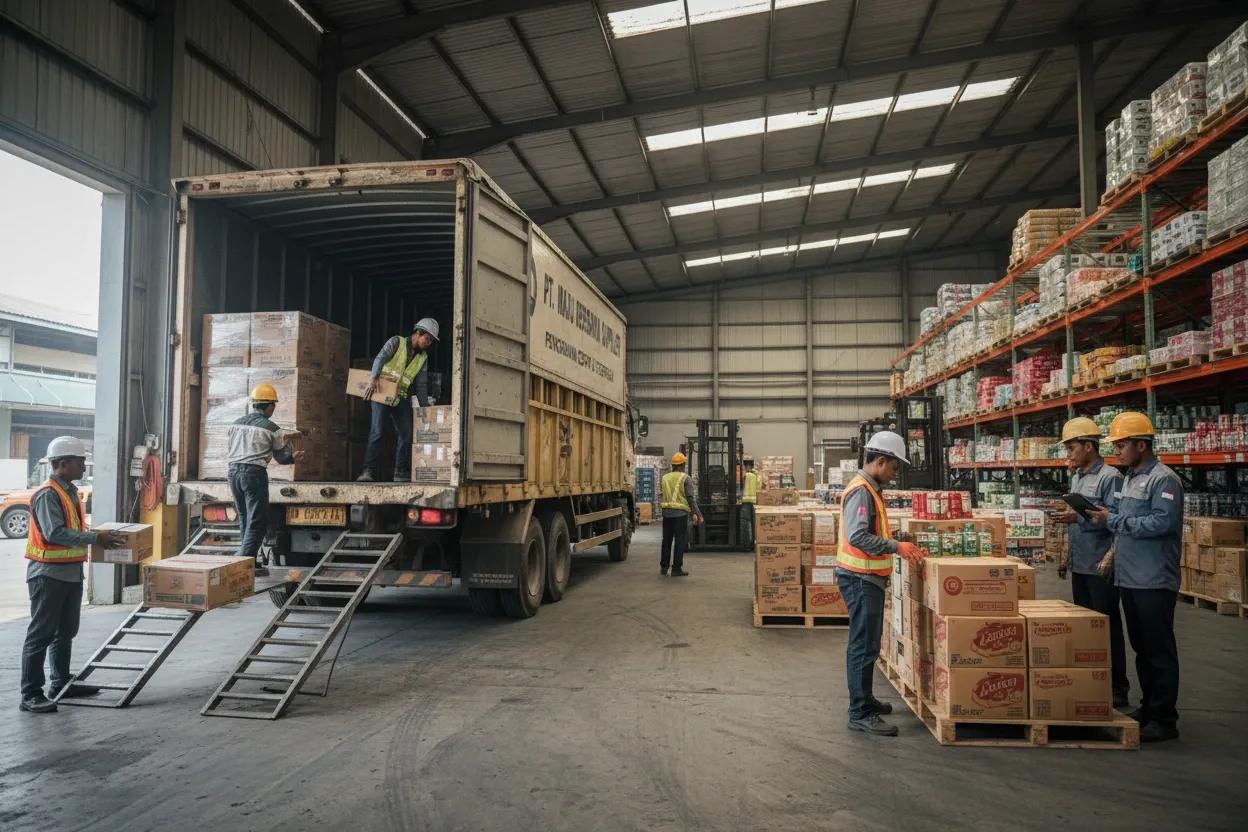
Choosing the right supplier is critical to maintaining business operations and ensuring a stable supply chain. However, many companies still encounter challenges that can disrupt procurement and operational activities.
Common problems include products that do not meet business requirements, delayed deliveries, and limited product availability when demand increases. For that reason, businesses need to carefully evaluate and select suppliers that can provide consistent service and fast delivery.
What Is Supplier?
A supplier is an individual or company that provides raw materials, components, or finished products to other businesses. They serve as an important source of goods needed for production, distribution, and daily operations across various industries.
Their role is essential in maintaining the continuity of supply chain activities. By ensuring the availability of materials and products, suppliers help businesses meet production schedules, fulfill customer demand, and maintain product availability in the market.
Types of Supplier
In the supply chain, not all suppliers perform the same role. Based on their business model, they can generally be categorized into three types.
- Manufactures
Manufacturers can act directly as suppliers by providing raw materials, components, or finished goods to other businesses. They typically require higher minimum order quantities and usually work with businesses that operate at a larger scale and require consistent purchasing volumes. - Wholesalers
Wholesalers serve as intermediaries between manufacturers and retailers or end users. They purchase products in bulk from manufacturers and resell them in smaller quantities to other businesses.
Working with wholesalers allows companies to access a wide range of products without meeting large minimum order requirements. It also provides greater purchasing flexibility for businesses with varying inventory needs. - Importers
Importers bring products from international markets into domestic markets for distribution and sale. Their responsibilities often include managing international logistics, shipping arrangements, customs clearance, and regulatory compliance.
By sourcing products from overseas suppliers, importers help businesses access goods that may not be available locally while supporting product variety within the market.
Role of Supplier In The Supply Chain
Some of the key roles of suppliers include:
- Maintaining the availability of raw materials and products.
- Ensuring product and material quality standards.
- Managing inventory storage and stock availability.
- Supporting product distribution activities.
- Improving production efficiency through timely deliveries.
- Maintaining continuity across the supply chain.
Responsibilities of Supplier
A supplier provides materials or products to businesses. However, the role goes beyond simply delivering goods. It also supports business operations throughout the Product Life Cycle (PLC), from product introduction to declining market demand.
- Introduction
During the introduction stage, suppliers are responsible for providing high-quality materials required to develop and launch new products. Material quality and timely delivery can significantly impact product availability and distribution performance at market entry. - Stage
As business activity expands, product demand often increases rapidly. At this stage, larger order volumes must be fulfilled while maintaining product availability across the supply chain.
To support expanding distribution needs, digital solutions such as a Distribution Management System (DMS) are often used. Such systems help manage inventory, order fulfillment, and product distribution across wider operational networks. - Maturity
During the maturity stage, market competition becomes increasingly intense. Businesses continue to introduce product improvements and new initiatives to maintain their market position. For FMCG suppliers, the maturity stage is particularly demanding as consumer preferences shift rapidly and retailers expect consistent product availability across all categories.
Suppliers play an important role in supporting operational efficiency, maintaining product availability, and ensuring supply chain activities continue to run despite increasing market demands. - Decline
A decline in market demand is a natural part of the product life cycle. At this stage, supply volume needs to be adjusted based on changing business requirements to avoid excess inventory and maintain operational balance.
How to Choose the Right Supplier
Selecting the right supplier is an important decision that can affect product quality, operational performance, and customer satisfaction.
- Price
Pricing is one of the main factors to consider when choosing the right suppliers. The cost of raw materials or products directly influences the final selling price offered to customers.
Higher supply costs can increase product prices, which may affect market competitiveness and customer purchasing decisions. - Delivery Time
Timely delivery is essential for maintaining product availability. The partner should be able to deliver products according to agreed schedules and respond quickly to changing business requirements. For FMCG suppliers, this becomes even more critical as products like food, beverages, and personal care items are time-sensitive and highly dependent on consistent stock availability.
Many suppliers use route optimization software to analyze delivery routes and improve fleet efficiency. - Consistency
Consistency is another important factor when selecting a supplier. It can be measured through the ability to fulfill orders, maintain product availability, and respond to changing demand conditions. A dependable partner should also be able to anticipate fluctuations in customer demand and adjust supply accordingly to support stable operations. - Service Quality
Fast response times, effective communication, and problem resolution can help businesses address operational issues efficiently.
Service quality may also include product replacement for damaged goods, after-sales support, and commercial arrangements such as negotiated discounts.
150+ Renowned Brands Trust BOSNET for Their Distribution
Over 150 brands rely on BOSNET to manage their distribution and sales processes efficiently. BOSNET provides an end-to-end solution for distributors to track operations, performance, and sales in real time.
Contact us to see how BOSNET can streamline your operations and deliver real-time visibility across your distribution network.
#BOSNET #BestFMCGRunsBOSNET #Distribution #SupplyChain #IncreaseRevenue #ReduceCost