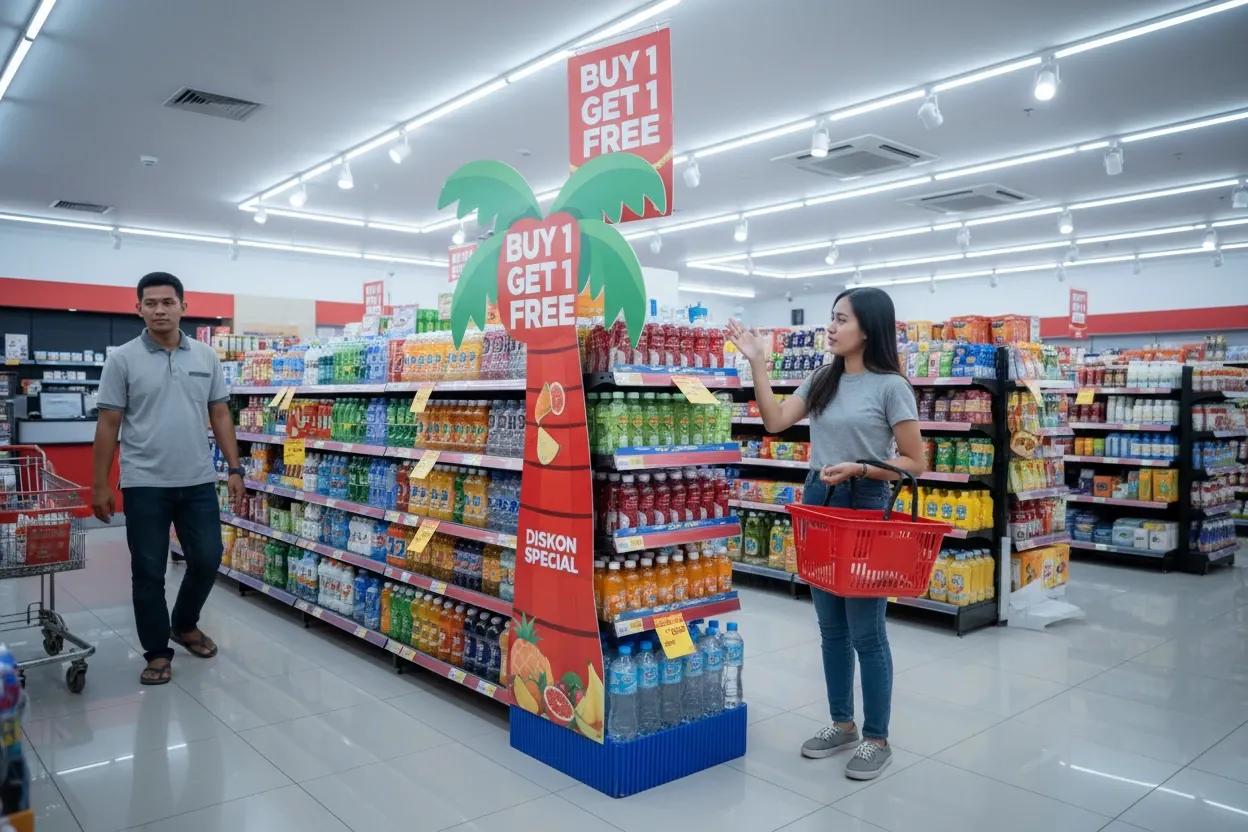
Trade promotion is a marketing strategy where brands offer incentives to retailers to encourage them to carry, display, or actively sell certain products. These incentives may take many forms, including product displays, price discounts, periodic purchase schemes, bulk purchase deals, rebates, and sales competitions designed to motivate retail partners.
Trade marketing promotions are commonly used to increase product visibility and influence purchasing decisions. Well-planned promotion programs help brands attract new customers, increase sales volume, and strengthen long-term relationships with distributors and retail partners across the market.
Why Trade Promotion Is Important for Principals
Trade promotion helps principals and distributors increase product distribution and improve product visibility in retail stores. Promotional incentives encourage retailers to allocate shelf space, display products, and implement in-store campaigns efficiently.
Such programs also help ensure that products are available in the right outlets. Coordination between principals and distributors allows inventory levels and promotional activities to align with retailer demand.
Well-structured trade promotions also support long-term cooperation with retailers. Clear incentives and consistent programs encourage retailers to prioritize the brand and continue working with the distributor.
However, poorly planned promotion programs may reduce margins or shift sales away from other products within the same portfolio. Careful planning and performance measurement help ensure that each promotion contributes real incremental sales.
Trade Promotion Examples
Below are several examples of trade promotions commonly used by brands and distributors to support product visibility and sales in retail channels:
- Bulk Purchasing Programs
Suppliers may offer lower unit prices when retailers place larger orders. Volume-based pricing encourages retailers to purchase more stock in advance, especially before seasonal demand increases or large promotional campaigns. - Merchandising Displays
Retail environments often use visual displays to attract shoppers' attention and highlight specific products. Examples include booths, shelf signage, and POSM placed near checkout areas or high-traffic aisles. Such displays help introduce new products and make them more visible among many competing brands.
Many companies also use merchandising software to manage these activities across multiple stores. Field teams can record display placement, capture photos as proof of execution, and report store conditions through mobile applications. - Incentives
Reward programs can provide financial returns or rebates once retailers achieve certain sales volumes or merchandising targets. Such incentives encourage partners to reach higher performance targets while regular pricing structures remain unchanged. - Discounts
Temporary reductions in wholesale prices give retailers the opportunity to sell the product to shoppers at lower prices. Short-term price adjustments are commonly used to increase sales volume during slower periods or to move excess stock.
Challenges in Managing Trade Promotion
- Lack of Communication
Trade marketing promotions are often created to increase sales, but communication with retail partners is not always consistent. Brands need to inform distributors and retailers about ongoing campaigns, updates, or adjustments in a timely manner. Retail partners should also have a channel to share feedback, allowing promotion strategies to be adjusted when needed. - Scalability
Customer profiles, buying habits, and demand patterns can vary from one area to another. Companies therefore need systems that allow promotion schemes to be configured for specific regions, retailer types, or market segments. - Customer Segmentation
Effective trade promotion requires accurate targeting. Retailers and markets differ in product performance, store format, product category, and buyer preferences. Promotion programs that do not consider these differences may fail to reach the right audience. - Historical Data
Historical data plays an important role in planning successful promotion programs. Sales volume, spending, promotion type, and past promotional campaigns provide valuable insights. Analysis of historical data helps companies evaluate which promotion strategies generate measurable sales impact. - Defined Goals
Not every campaign works for all products. Each product category may require a different strategy depending on market conditions and sales goals. Clear objectives help companies determine which promotion type fits each product and situation.
Strategies to Run a Successful Trade Promotion
- Define Clear Objectives
Each promotion should start with a defined goal. Programs may aim to increase sales volume, expand market share, introduce new products, or move excess inventory. Clear objectives help ensure that every promotion activity supports a specific business outcome. - Measure Return on Investment
Promotion performance should be evaluated using clear key performance indicators such as sales volume, revenue growth, and promotion cost. Access to these metrics allows sales teams to review campaign outcomes, observe patterns, and make informed adjustments. - Sales Forecasting
Historical sales records help estimate future demand during a promotion period. Forecasting allows companies to anticipate potential increases in sales, prepare inventory, and maintain product availability. Data analysis also helps identify market shifts, emerging opportunities, and areas that require adjustment. - Monitor Promotion Activities
Clear visibility of the promotion types being used helps companies manage campaigns more effectively. Examples include bundle offers that combine different products into a single purchase, programs that encourage higher purchase quantities of a specific SKU, seasonal price offers during peak demand periods, and loyalty programs that reward repeat purchases. - Use Digital Tools for Promotion Management
Promotion planning often involves large volumes of sales and distribution data. Trade promotion software helps companies process this information, evaluate promotion performance, and generate insights that support better decisions.
150+ Renowned Brands Trust BOSNET for Their Distribution
Over 150 brands rely on BOSNET to manage their distribution and sales processes efficiently. BOSNET provides an end-to-end solution for distributors to track operations, performance, and sales in real time.
Contact us to see how BOSNET can streamline your operations and deliver real-time visibility across your distribution network.
#BOSNET #BestFMCGRunsBOSNET #Distribution #SupplyChain #IncreaseRevenue #ReduceCost