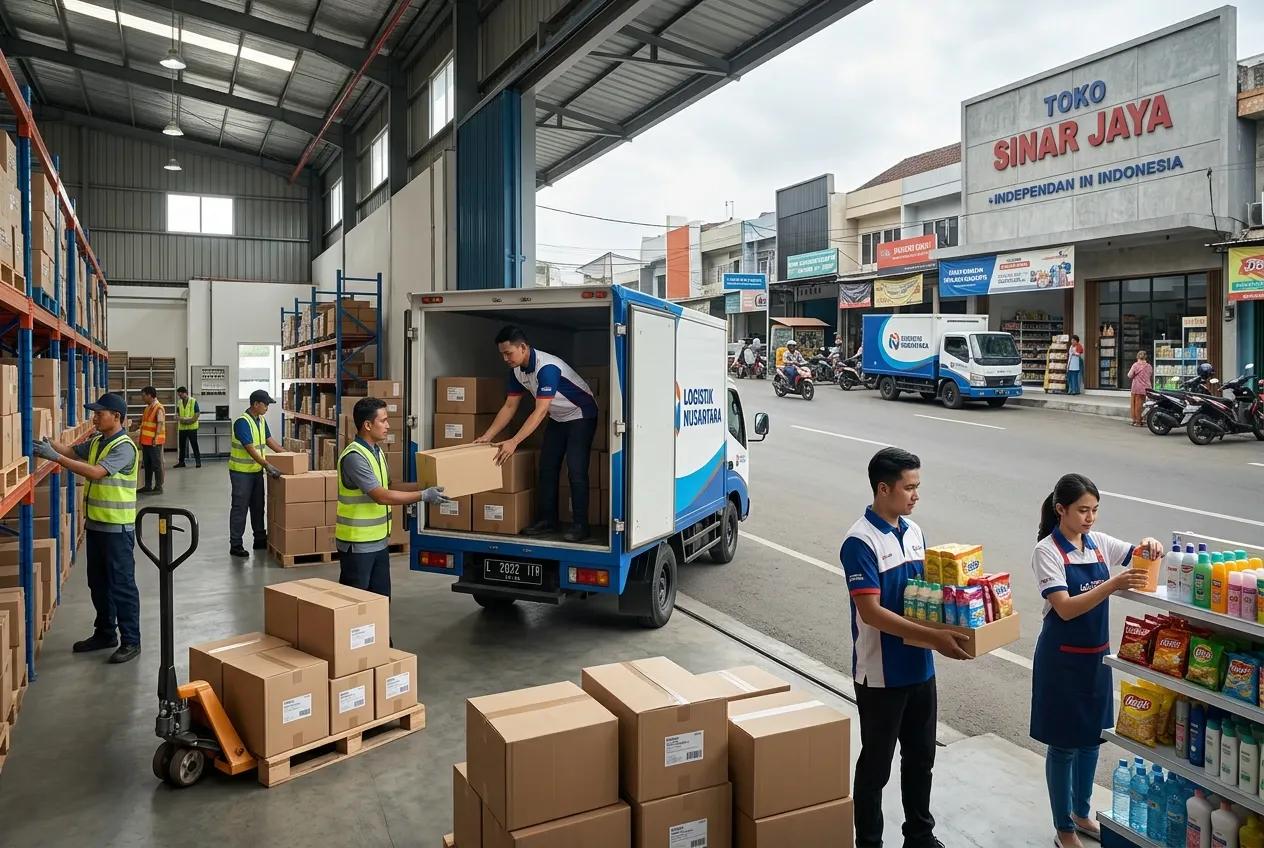
FMCG distributors handle a high volume of orders across multiple regions every day. Sales teams are active in the field, warehouses process orders, and vehicles deliver products to outlets. Yet, behind the high volume of activity, operational issues can still affect daily performance.
An order may take longer to process, or a vehicle may spend too much time on the road for a single delivery. When issues like these occur across a large distribution network, they can add costs and affect sales before management has a complete view of what is happening.
Why Is FMCG Distribution Different from Other Industries?
FMCG distribution operates at a high frequency and across a broad customer base. Transactions occur in large volumes, purchasing cycles are short, SKU variety is extensive, and products are distributed across a wide geographic area. Since outlets have limited tolerance for stockouts, product availability becomes a key part of daily distribution operations.
Six characteristics have a major impact on FMCG distribution:
- Fast Product Turnover
Products move quickly from the distributor to the outlet, so inventory needs to be replenished at the right pace. A delay in replenishment can leave products unavailable at the outlet and result in lost sales. - Relatively Thin Unit Margins
High product turnover does not necessarily translate into high profitability. Because unit margins are relatively low, costs from outlet visits, warehousing, transportation, and returns can significantly affect distribution profitability. - High SKU and Packaging Variety
Managing a large product portfolio adds another operational consideration. Different SKUs, pack sizes, units, prices, and batches increase the number of details that need to be captured correctly during ordering, picking, invoicing, and delivery. - Wide Outlet Coverage
The scale of FMCG distribution also extends beyond product variety. Distributors may serve warungs, wholesalers, minimarkets, supermarkets, HORECA, and digital channels, each with different purchasing patterns and commercial requirements. Managing these outlets requires visibility into transactions and sales activities across the distribution network. - Frequent Promotional Changes
Commercial programs add further variation to daily sales activities. Discounts, bundles, free goods, and principal targets can change frequently, requiring sales teams to apply the correct product, price, quantity, and promotional terms at each outlet.
Main Challenges Faced by FMCG Distributors
FMCG distribution involves many transactions, outlets, SKUs, deliveries, and daily sales activities. As the distribution network grows, tracking each part of the operation becomes increasingly important.
Here are the main challenges FMCG distributors face:
- Data Scattered Across Different Records
Sales may have their own records, while the warehouse keeps stock data in another spreadsheet. Finance then waits for the sales recap before preparing its reports.
Each team may end up using different figures. Management can have plenty of reports but still lack one trusted reference when reviewing sales, stock, or receivables. - Stock-outs and Overstock
FMCG distributors need to keep enough stock available across many outlets. Too little inventory can leave products unavailable and result in lost sales. Too much inventory can tie up working capital and increase the risk of expiry and returns. - Low Sales Visibility
The number of visits alone does not indicate how productive a sales team is. Distributors need to analyze visit frequency, average order value, active outlets, new outlets acquired, sales by area, and the reasons for unsuccessful visits. A high number of visits may look good on a report, but the result can be less meaningful if those visits generate few orders or do not reach the intended outlets. - Rising Distribution Costs
Sales growth can require additional vehicles, wider coverage, and a higher number of deliveries. If delivery routes are not planned properly or each drop generates a low order value, additional sales can be absorbed by fuel, overtime, vehicle expenses, and other operating costs. - High Returns
Damaged products, incorrect deliveries, slow-moving items, and products nearing expiry can all lead to returns.
Returned products and slow-moving stock also tie up working capital. Distributors handling a large number of SKUs need to know which products are moving, which are sitting in storage, and which may become a loss. - Inconsistent Promotion Execution
A promotion designed by the principal may be applied differently in the field. Sales teams may still use outdated promotion information, which can result in incorrect prices, missed discounts, wrong bundle offers, or free goods that are not recorded properly. As a result, the promotion shown in the plan may not match what actually happens at the outlet.
FMCG Distribution KPIs You Need to Monitor
FMCG distribution involves thousands of daily activities, from taking orders and visiting outlets to managing inventory and delivering products. Looking at sales alone does not show whether the distribution operation is performing as expected.
Several KPIs help distributors track performance across sales, inventory, delivery, costs, and cash flow.
- Fill Rate
Fill rate measures how much of an outlet's requested order can actually be supplied. A low fill rate can indicate that products are unavailable or inventory is not positioned according to demand. Tracking the metric helps distributors see whether their available stock is meeting outlet orders. - OTIF (On-Time In-Full)
OTIF measures whether orders arrive on time and in the requested quantity. A delivery can arrive on schedule but still fall short if some items are missing. OTIF combines both factors, giving distributors a view of whether delivery commitments are being met. - Inventory Turnover
Inventory turnover shows how quickly money tied up in stock moves through the business. Higher turnover generally means products are selling and being replenished faster. A lower rate can indicate slow-moving stock and capital remaining in inventory for longer periods. - Visit Compliance
Measures whether salesmen follow their planned outlet visits. The KPI compares scheduled visits with visits actually completed. Distributors can use it to identify missed outlets, changes in field activity, and areas where sales routes may need review. - Strike Rate
Strike rate shows how often a sales visit results in an order. A high visit count does not necessarily translate into sales. Comparing completed visits with successful transactions gives distributors a better view of whether field visits are generating orders. - Cost per Drop
Measures the cost of serving one outlet through a delivery. Fuel, vehicle expenses, and other delivery costs can add up across thousands of drops. Tracking the cost per drop helps distributors assess whether delivery activity generates enough value relative to its operating cost. - Return Rate
Return rate shows how much of the distributed product comes back to the distributor. Returns can result from damaged goods, incorrect deliveries, slow-moving products, or expiry-related issues. A high return rate can reduce margins and tie up working capital.
Transform Your FMCG Distribution with BOSNET Solutions
BOSNET provides end-to-end solutions for FMCG distributors to manage sales, inventory, deliveries, and daily distribution activities with real-time visibility across their operations.
- Distribution Management System (DMS)
A Distribution Management System (DMS) serves as the foundation of distribution automation by managing and automating key operational processes.
The system centralizes sales activities, order management, inventory information, and distribution operations in a single platform. With real-time visibility across the business, companies can reduce manual work, minimize input errors, and improve operational accuracy. - Mobile Distribution
Mobile Distribution is a mobile application designed to help field sales teams manage customer visits and sales activities.
The application provides visibility into field operations, standardizes sales reporting, and enables sales representatives to record activities directly on their mobile devices. - Warehouse Management System (WMS)
A Warehouse Management System helps businesses manage warehouse activities more efficiently.
The system automates processes including receiving, storage, picking, and shipping activities. As a result, businesses can improve inventory management, reduce labor costs, and maintain accurate inventory records across warehouse operations. - Smart Route
Route optimization solutions help businesses identify the most efficient delivery routes for field teams and drivers. BOSNET Smart Route analyzes key parameters to optimize route sequences, vehicle utilization, and delivery schedules. - Mobile Delivery
Mobile Delivery enables drivers and delivery teams to manage distribution activities directly from their mobile devices. The solution provides real-time delivery tracking, digital proof of delivery, and delivery confirmation. - Replenishment
Automated stock replenishment helps businesses maintain product availability by replenishing inventory when stock reaches predefined thresholds, reducing manual intervention and improving inventory accuracy.
From sales execution and order management to warehouse operations and delivery processes, BOSNET helps businesses gain better visibility across the entire distribution cycle.
It's time to move beyond manual processes and adopt a distribution system designed to support future business growth.
Contact us today to learn how BOSNET can transform your distribution.
#BOSNET #BestFMCGRunsBOSNET #Distribution #SupplyChain #IncreaseRevenue #ReduceCost