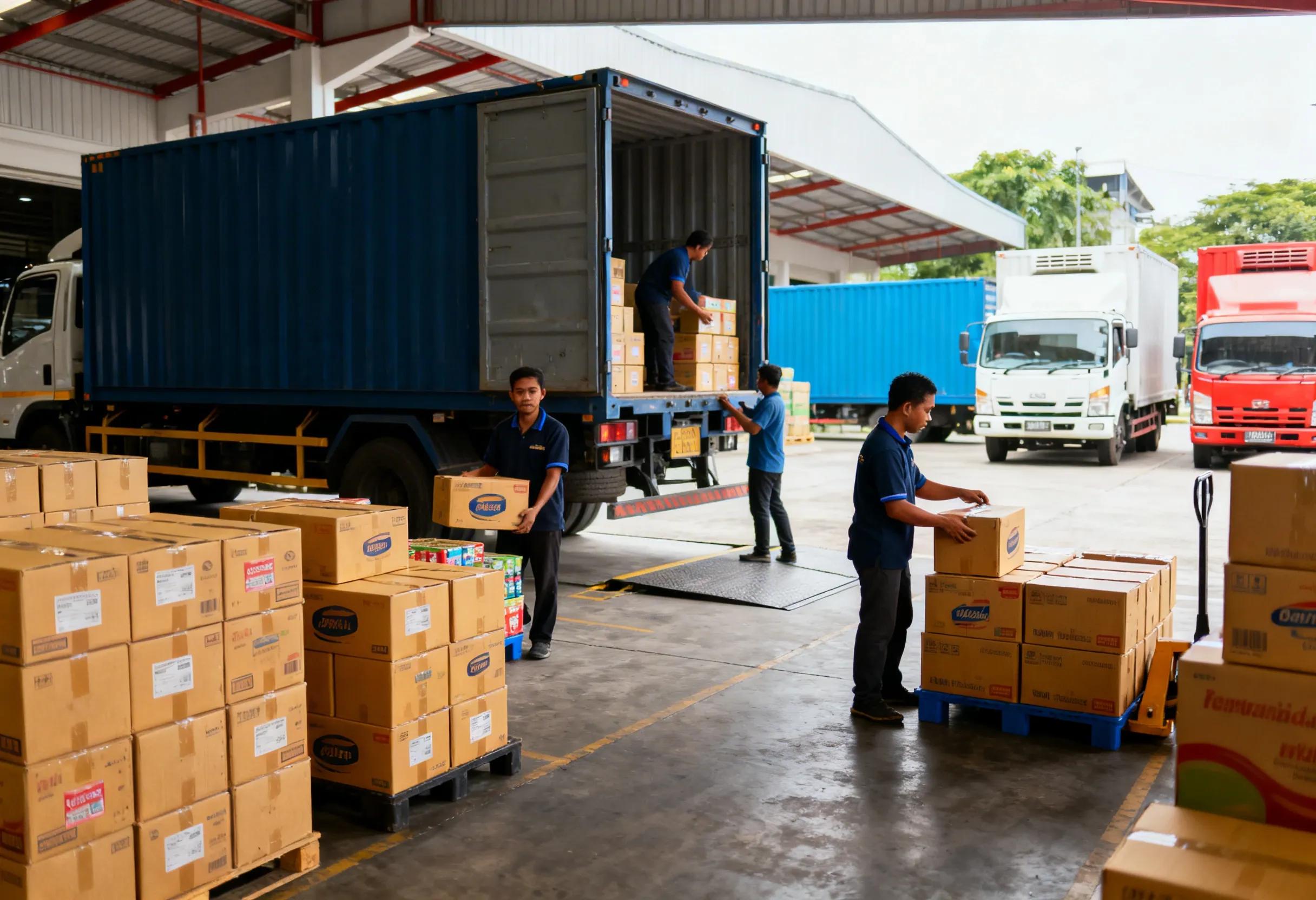
Supply chain management plays a critical role in modern distribution by managing the flow of goods from suppliers and manufacturers to end customers.
In today’s market, supply chains must adapt to changing demand, multiple distribution channels, and evolving customer expectations. Companies that implement structured SCM strategies can reduce inefficiencies, lower costs, and deliver products accurately and on time.
What is Supply Chain Management?
Supply Chain Management (SCM) is the process of managing and coordinating every stage involved in the production and distribution of goods, from raw materials to the end customer. It ensures that products move efficiently through suppliers, manufacturers, warehouses, distributors, and retailers or end consumers.
Why Supply Chain Management is Important in Distribution
- Increase Operational Efficiency
Effective supply chain management streamlines production, storage, and distribution processes. Better coordination across these activities helps reduce delays and eliminate unnecessary costs. - Reduce Costs
Effective supply chain management optimizes delivery routes, streamlines warehouse operations, and manages fleet activities, helping reduce distribution costs and resource utilization. - Streamlines Distribution
A well-managed supply chain ensures products move smoothly from manufacturers to warehouses, distributors, and ultimately to retailers or end consumers, minimizing delays and improving service levels. - Optimizes Inventory Management
An integrated supply chain system provides real-time visibility of stock levels. This helps prevent overstock and stockouts, keeping inventory aligned with demand and business needs.
Supply Chain Management Examples by Industry
Supply chain management is widely used across industries that handle high-volume, fast-moving products. Key sectors include:
- Food and Beverages
Managing packaged foods, snacks, perishable items, soft drinks, juices, bottled water, and alcoholic beverages. - Pharmaceutical
Distributing medicines, supplements, and healthcare products while ensuring strict regulatory compliance. - Personal Care and Cosmetics
Managing skincare, beauty, and hygiene products with accuracy and consistency. - Cigarette and Tobacco
Handling regulated tobacco products with strong inventory control and compliance monitoring. - Automotive Supporting
Supplying spare parts, lubricants, and other automotive products to retailers and service centers. - Building Material
Distributing construction materials, tools, and hardware supplies efficiently to support project needs.
Challenges in Managing Supply Chain
- Low Visibility
The supply chain spans multiple stages, from suppliers to end customers. Without digital solutions, visibility across the process is limited, reducing the ability to track inventory, monitor shipments, and maintain accurate operational insight. - High Logistic Cost
Inefficient delivery routes can increase travel time and fuel usage, leading to higher logistics expenses. Route optimization solutions help determine the most efficient paths, reduce delays, and improve cost efficiency. - Difficulty in Monitoring Field Sales Teams
Without proper software, field activities are not fully visible. Limited visibility makes it harder to confirm task completion and maintain consistent execution across teams - Manual Inventory Management
Relying on manual inventory tracking is time-consuming and error-prone. Inaccurate records or potential fraud can result in missing assets. - Unpredictable Market Demand
Market demand can change at any time, which may lead to overstock or stockouts. Using reliable sales forecasts helps businesses anticipate demand, adjust inventory levels, and plan distribution more effectively.
Modern Solution for Supply Chain Management
To overcome the challenges in supply chain management, many companies are implementing supply chain management software. These digital solutions streamline operations, enhance visibility, and improve efficiency across the entire supply chain. Key tools include:
- Distribution Management System (DMS)
A DMS helps businesses manage product distribution efficiently, ensuring that goods move smoothly from warehouses to distributors or retailers while reducing delays and errors. - Warehouse Management System (WMS)
A WMS manages and monitors warehouse inventory, optimizing storage, enabling real-time tracking, and minimizing errors or inventory losses. - Smart Route
Route optimization solutions identify the most efficient delivery paths, helping drivers avoid traffic, save time, and reduce logistics costs. - Sales Forecast
Sales forecasting tools help predict future demand, align inventory levels, and support better production and distribution planning. - Mobile Salesman
Mobile salesman allow companies to monitor field sales teams in real time, track activities, and ensure tasks are completed accurately and on schedule.
150+ Renowned Brands Trust BOSNET for Their Distribution
Over 150 brands rely on BOSNET to manage their distribution and sales processes efficiently. BOSNET provides an end-to-end solution for distributors to track operations, performance, and sales in real time.
Contact us to see how BOSNET can streamline your operations and deliver real-time visibility across your distribution network.
#BOSNET #BestFMCGRunsBOSNET #Distribution #SupplyChain #IncreaseRevenue #ReduceCost