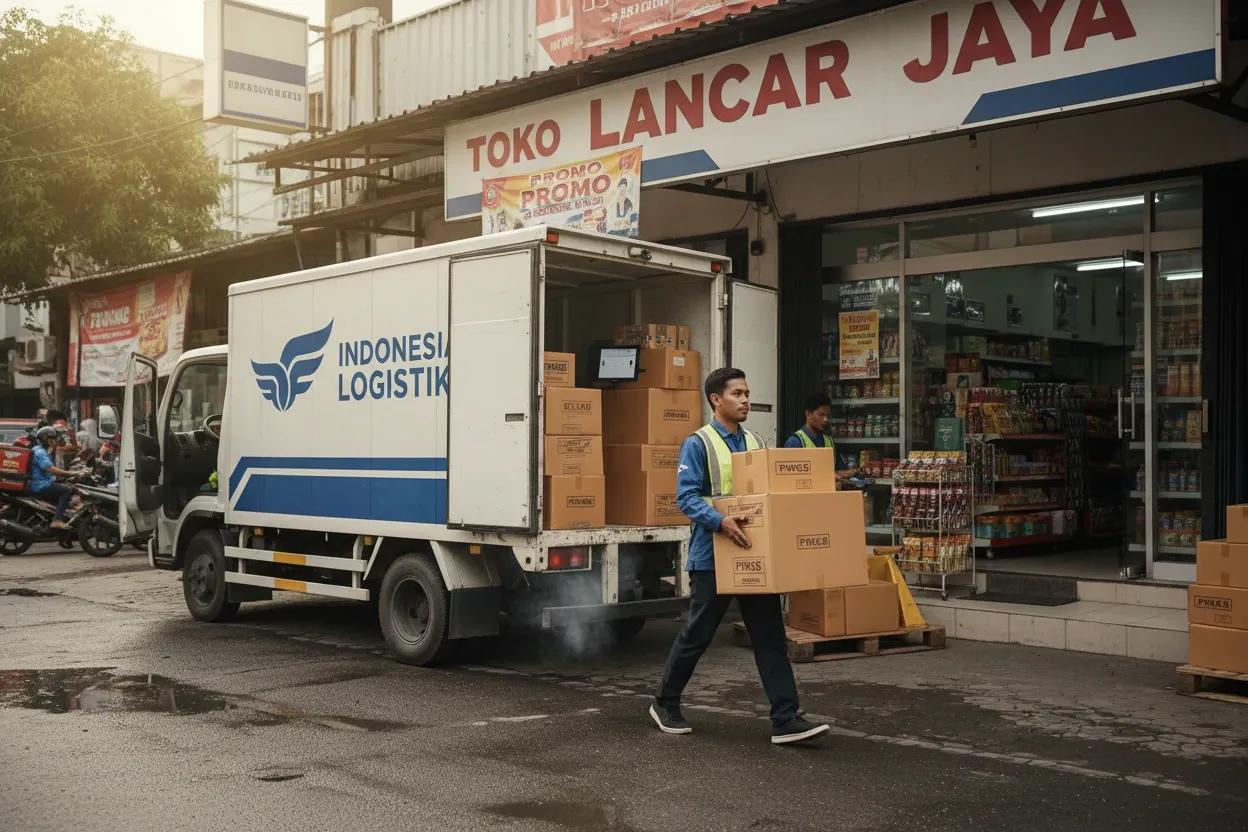
Vehicle downtime, whether planned or unexpected, can significantly increase distribution costs. When vehicles are unavailable for deliveries, companies may face schedule disruptions, delayed shipments, additional maintenance expenses, and lower fleet productivity.
For distributors, reducing downtime is not only about keeping vehicles on the road. It is also about maintaining operational continuity, maximizing asset utilization, and meeting customer expectations.
What Is Downtime?
Downtime refers to a period when a delivery vehicle is temporarily unavailable and unable to operate. During that time, deliveries cannot be completed according to schedule.
In distribution, time is money. Every hour a vehicle remains idle can reduce delivery capacity, delay customer orders, and affect productivity. Vehicle breakdowns, maintenance, administrative issues, or unexpected incidents can all prevent vehicles from operating as planned.
When vehicles are out of service, delivery schedules may need to be adjusted, routes reassigned, or shipments postponed. As a result, businesses may experience longer delivery times and higher operational costs.
Types of Downtime
Downtime can be categorized by its cause and its impact on operations. Understanding the different types of downtime helps businesses identify risks, plan preventive actions, and minimize disruptions to delivery activities.
- Planned
Planned downtime is a scheduled period during which vehicles, systems, or operational resources are intentionally taken out of service.
In distribution operations, planned downtime often occurs for vehicle maintenance, system upgrades, inspections, or operational adjustments. Although activities are temporarily paused, the goal is to maintain vehicle reliability, improve operational performance, and reduce the risk of future unexpected disruptions. - Unplanned
Unplanned downtime occurs when vehicles, systems, or equipment stop functioning unexpectedly.
For distribution businesses, it can result from vehicle breakdowns, application failures, communication issues, accidents, or external factors that disrupt delivery activities. Since it occurs without warning, unplanned downtime can delay deliveries, disrupt route schedules, and incur additional operational costs. - Partial
Partial downtime occurs when only part of an operation is affected while other activities continue to run.
For example, several delivery vehicles may be unavailable while the remaining fleet continues operating. A system issue may also affect certain delivery processes without stopping the entire operation. Although the impact is generally lower than a complete interruption, partial downtime can still reduce productivity and affect delivery performance if not addressed promptly.
Impact of Downtime
Downtime can have a significant impact on distribution operations, especially when delivery vehicles are unable to operate according to schedule. Even a short interruption can affect deliveries, increase costs, and reduce productivity across the business.
- Financial Losses
Downtime often creates both direct and indirect costs for businesses. Direct costs may include vehicle repairs, emergency maintenance, replacement parts, or towing services.
Indirect costs can be even greater, including lost sales opportunities, overtime expenses, additional transportation costs, and reduced productivity caused by delivery delays. - Lower Fleet Productivity
Vehicles that spend time idle cannot generate value for the business. As downtime increases, the number of deliveries completed each day may decrease, reducing fleet utilization and operational productivity. - Delivery Schedule Disruptions
When a vehicle is unavailable, planned delivery schedules may need to be adjusted. Routes may be reassigned, delivery times may change, and some orders may need to be postponed.
Strategies to Reduce Delivery Downtime
Reducing delivery downtime is essential for maintaining fleet availability, meeting delivery schedules, and keeping distribution activities running as planned. Businesses can minimize disruptions through a combination of predictive, preventive, and real-time monitoring.
- Preventive
Preventive maintenance focuses on servicing vehicles at scheduled intervals to reduce the risk of unexpected failures.
Maintenance schedules can be based on vehicle operating hours, mileage, or service history. Automated reminders and alerts help fleet managers ensure that inspections and servicing are completed on time. - Real-Time Vehicle Monitoring
Real-time monitoring provides visibility into vehicle performance, component status, and driver activity throughout daily operations.
Key indicators such as oil pressure, engine temperature, battery performance, and fault codes can be monitored continuously. When unusual readings are detected, businesses can take corrective action before minor issues develop into larger problems that affect delivery schedules. - Predictive
Predictive maintenance uses real-time data and analytics to identify potential issues before they lead to breakdowns.
By monitoring vehicle performance and component health, businesses can predict when parts are likely to fail and schedule maintenance before disruptions occur. As a result, vehicles spend less time out of service, and delivery activities can continue with fewer interruptions.
Reduce Delivery Downtime with BOSNET Mobile Delivery
BOSNET Mobile Delivery helps distributors reduce delivery downtime and maintain visibility across daily delivery operations. From scheduled deliveries to proof of receipt, field teams can update delivery status, capture delivery confirmations, and record activities directly from their mobile devices.
BOSNET solutions provide centralized monitoring and real-time reporting, allowing teams to track shipment progress, identify operational issues, and maintain visibility across delivery activities. As a result, businesses can minimize disruptions, improve delivery performance, and support better customer service.
Contact us to learn how BOSNET Mobile Delivery can help reduce delivery downtime.
#BOSNET #BestFMCGRunsBOSNET #Distribution #SupplyChain #IncreaseRevenue #ReduceCost