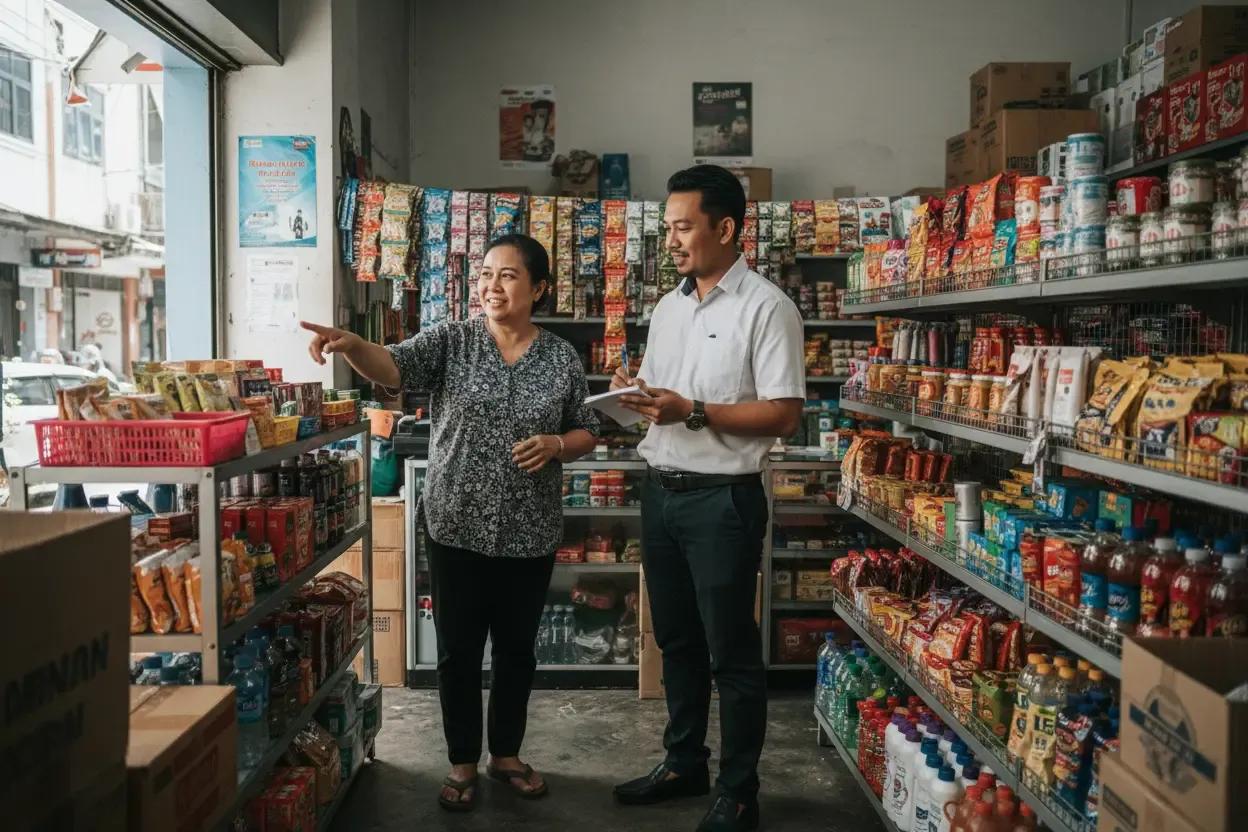
Repeat order has become a key focus in today’s increasingly competitive retail environment, where businesses are no longer only focused on acquiring new customers, but also on maintaining existing ones. By retaining existing customers, companies can reduce marketing costs while increasing customer lifetime value.
What is Repeat Order?
A repeat order refers to a purchase made by a customer who has previously bought the same product. It shows that the customer sees continued value in the product and decides to purchase it again.
Order repeats are an indication of customer satisfaction, trust in product quality, and confidence in the services provided. When customers return to buy again, it shows that their expectations have been met in a consistent way.
In addition, repeat orders also reflect how well a business operates in its distribution and delivery processes. It includes timely shipping, reliable handling of products, and the company’s ability to respond to customer needs and provide suitable solutions.
Why Order Repeats is Important for Distributors
Repeat orders are a key indicator of healthy distribution performance. Since distributors rely on continuous product movement, a lack of repeat orders will directly lead to declining sales over time.
When customers do not reorder, it often indicates issues within the distribution process. This can relate to product availability, delivery timing, pricing, or service quality.
For distributors, repeat orders also help evaluate whether the end to end process is running as expected. If repeat purchases are low, it becomes a signal to review and improve areas within the supply chain and customer service flow.
How to Increase Repeat Order?
A higher repeat order rate means more customers are making purchases more than once. This percentage is an important metric that reflects customer retention and loyalty toward a business.
To improve repeat order performance, several strategies can be applied.
- Know Your Market Segment
Customers should not be treated the same, because each segment has different needs and buying behavior.
· Wholesalers usually focus on competitive pricing and larger order volumes
· Retailers tend to prioritize profit margin and fast-moving product variants
Because of these differences, pricing strategies and promotional approaches should be adjusted according to each segment. - Train Field Sales
Repeat orders often depend on how well field sales manage customer relationships. Sales teams are not only responsible for closing deals, but also for maintaining ongoing engagement with customers after the first purchase.
Field sales teams need to be trained to understand customer needs and buying patterns so they can offer the right products at the right time. They should also be equipped with the ability to apply upselling and cross-selling.
In addition, KPI for field sales should not only focus on closing deals, but also include repeat ratio per customer as a key performance indicator. - Ensure Availability and Fast Fulfillment
For FMCG distributors, maintaining ready stock is essential. When products are frequently out of stock, customers are less likely to place repeat orders because their needs are not being met on time.
In modern distribution systems, many companies now use stock replenishment systems to manage inventory more efficiently. These systems help monitor stock levels and trigger replenishment when inventory starts to run low. - Offer Incentives and Loyalty Program
Providing incentives based on purchase volume or frequency can encourage order repeats. When customers see clear benefits, they are more likely to continue their purchasing activity. Offering special pricing schemes for loyal distributor customers can help maintain long term relationships. - Build Trust Over Time
Trust is developed through consistency in every interaction. This includes consistency in pricing, keeping promises made to customers, and delivering a reliable level of service. - Streamline Ordering Process
Use an integrated distribution management system to ensure orders are processed quickly and accurately. Add a quick re-order feature so repeat purchases can be done in just a few steps.
A distribution management system can help manage the entire order process end-to-end, improving efficiency and visibility. - Follow up & Reminders
Salesmen should follow up after every transaction as part of the standard after-sales process. This includes checking customer satisfaction, identifying any issues they face, and ensuring their needs are still being met.
Distributors can use an automated solution to streamline this process. Automated follow ups and reminders help ensure customers are contacted, making it easier to maintain relationships.
150+ Renowned Brands Trust BOSNET for Their Distribution
Over 150 brands rely on BOSNET to manage their distribution and sales processes efficiently. BOSNET provides an end-to-end solution for distributors to track operations, performance, and sales in real time.
Contact us to see how BOSNET can streamline your operations and deliver real-time visibility across your distribution network.
#BOSNET #BestFMCGRunsBOSNET #Distribution #SupplyChain #IncreaseRevenue #ReduceCost