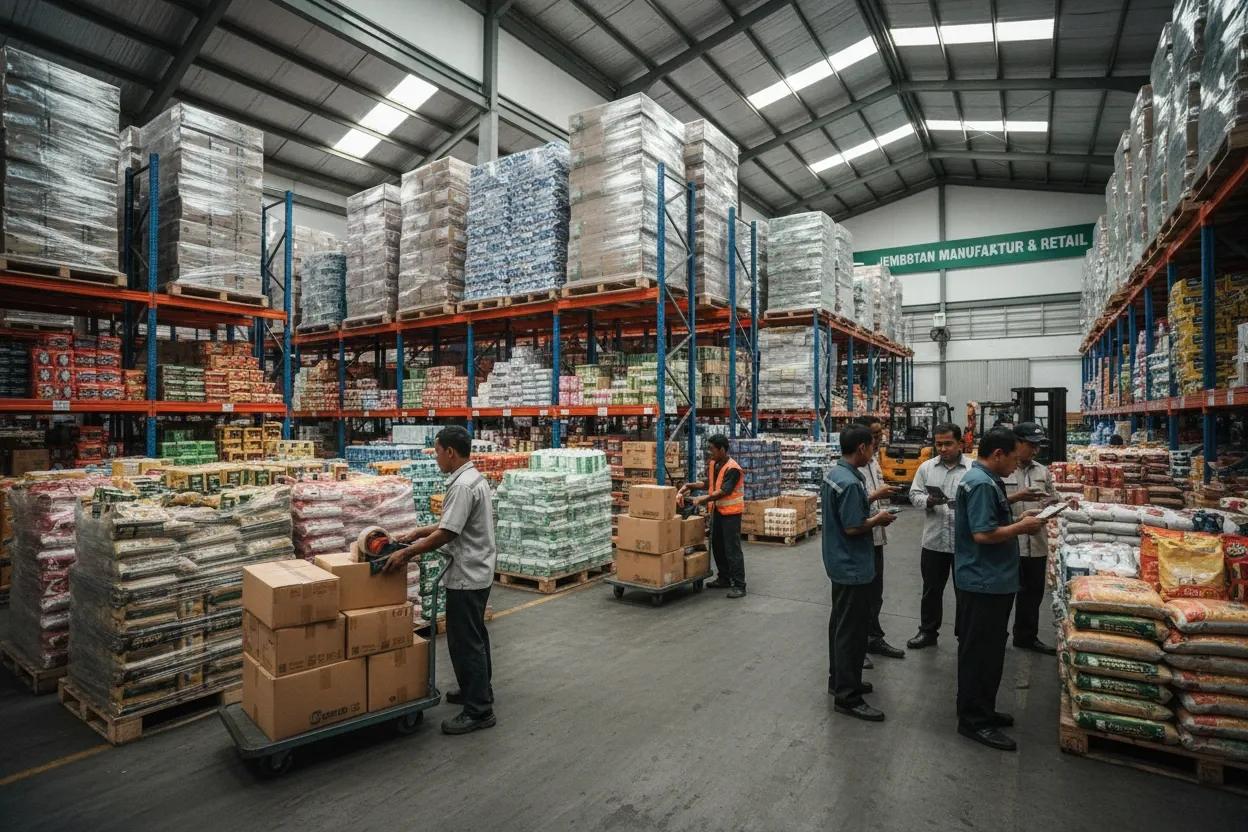
In distribution, various terms describe different roles within the supply chain, and one of the most important is the wholesaler.
Through efficient distribution management, wholesalers play a vital role in supporting logistics operations and maintaining product availability. By ensuring products are stored, managed, and delivered effectively, wholesalers help facilitate the flow of goods across the supply chain.
Definition of Wholesaler
A wholesaler is a business that purchases products in large quantities directly from manufacturers and sells them to retailers in smaller volumes. As intermediaries in the supply chain, they help distribute goods from producers to the market and ensure product availability across various sales channels.
Wholesalers typically buy goods at wholesale prices and resell them at higher prices, keeping them below retail prices. They are also responsible for inventory management, stock availability, and providing retailers with access to a broad selection of products from multiple manufacturers.
As a key link between production and retail operations, wholesalers help businesses obtain products efficiently and meet customer demand across different markets.
Roles and Function of Wholesaler
- Bridging Manufacturers and Retailers
One of the primary functions of a wholesaler is connecting manufacturers with retailers. By purchasing products in large quantities and supplying them according to market demand, wholesalers help ensure goods are available across different sales channels and geographic areas. - Distribution Efficiency
Wholesalers play an important role in improving distribution efficiency across the supply chain. They deliver products to retailers in different locations, helping manufacturers expand market reach without managing individual deliveries.
With established logistics and distribution operations, wholesalers help reduce transportation costs, improve product accessibility, and facilitate the movement of goods across different regions. Such capabilities support a more efficient supply chain and help products reach the market in a timely manner. - Offering a Wide Product Selection
A broad range of products from different manufacturers is often available through wholesale channels. Access to multiple product categories allows retailers to purchase a range of items from a single supplier, reducing the need to coordinate with multiple manufacturers. - Provide Insights
Wholesalers help retailers stay informed about product updates, market trends, and customer demand. Access to relevant information allows retailers to make purchasing decisions based on current market conditions. - Reducing Overstock and Stockout Risks
Regular stock replenishment helps retailers align inventory with demand and sales patterns, reducing the risk of excess stock or product shortages.
Differences Between Wholesalers and Retailers
Wholesalers and retailers play different roles in the supply chain. Each serves a different customer group and operates at a different scale.
A wholesaler purchases products in large quantities from manufacturers or distributors and resells them to retailers or other businesses. Their operations focus on bulk transactions, allowing businesses to obtain products at wholesale prices.
A retailer, on the other hand, purchases products from wholesalers or directly from manufacturers and sells them to end consumers. Retailers interact directly with customers and typically sell products in smaller quantities at retail prices.
Key differences between wholesalers and retailers can be seen in their purchasing volume, pricing model, and target market. Wholesalers focus on supplying businesses, while retailers focus on serving end consumers.
Types of Wholesalers
Wholesalers operate using different business models depending on the products they handle, the services they provide, and the customers they serve. Understanding these types can help businesses select the right distribution partner for their supply chain needs.
- Merchant
Purchase products directly from manufacturers and take ownership of the inventory. They store goods in warehouses and resell them to retailers, distributors, or other businesses. - Full-Service
Offer a broad range of services beyond product distribution. Their responsibilities may include inventory management, warehousing, transportation, sales support, and customer service. - Limited-Service
Focus on activities such as product delivery or order fulfillment while offering fewer additional services than full-service wholesalers. Businesses often choose them when they require a specific distribution function rather than comprehensive support. - Brokers and Agents
Act as intermediaries between buyers and sellers. Unlike merchant wholesalers, they do not own or store inventory. Their primary role is to connect businesses, negotiate transactions, and facilitate product sales in exchange for a commission or service fee. - Specialty
Focus on a specific product category or industry. Examples include pharmaceutical, food and beverage, electronics, or automotive wholesalers. - Dropship
When an order is placed, products are shipped directly from the manufacturer or supplier to the customer. Such a model helps reduce warehousing requirements and inventory-related costs. - Online
Conduct wholesale transactions through digital platforms. Businesses can browse product catalogs, place orders, and manage purchases online.
Challenges of Wholesalers In Indonesia
One of the key challenges for wholesalers in Indonesia is the country's logistics and transportation systems. Indonesia’s vast geographic landscape, consisting of thousands of islands, often creates obstacles in product distribution and supply chain operations.
Many distributors and wholesalers face issues with delivery times and high distribution costs. Delayed shipments and high logistics expenses can affect operational efficiency and reduce profit margins.
BOSNET Solution For Wholesaler To Streamline Distribution
BOSNET provides an integrated solution that helps wholesalers streamline distribution activities from warehouse management to delivery execution.
- Warehouse Management System (WMS)
BOSNET WMS supports inventory management from inbound to outbound processes with high accuracy. The system helps warehouse teams manage stock movement, product tracking, picking, packing, and inventory handling across daily warehouse operations. - Smart Route
Smart Route optimizes sales visits and delivery routes across operational areas. By generating efficient route plans, businesses can reduce travel time, improve delivery scheduling, and increase field team productivity. - Mobile Delivery
BOSNET Mobile Delivery enables drivers to manage delivery activities directly from their mobile devices. The solution helps ensure deliveries are completed accurately in accordance with customer orders while providing real-time delivery updates. With greater visibility into delivery status, businesses can improve service quality and maintain reliable communication throughout the fulfillment process.
150+ Renowned Brands Trust BOSNET for Their Distribution
Over 150 brands rely on BOSNET to manage their distribution and sales processes efficiently. BOSNET provides an end-to-end solution for distributors to track operations, performance, and sales in real time.
Contact us to see how BOSNET can streamline your operations and deliver real-time visibility across your distribution network.
#BOSNET #BestFMCGRunsBOSNET #Distribution #SupplyChain #IncreaseRevenue #ReduceCost