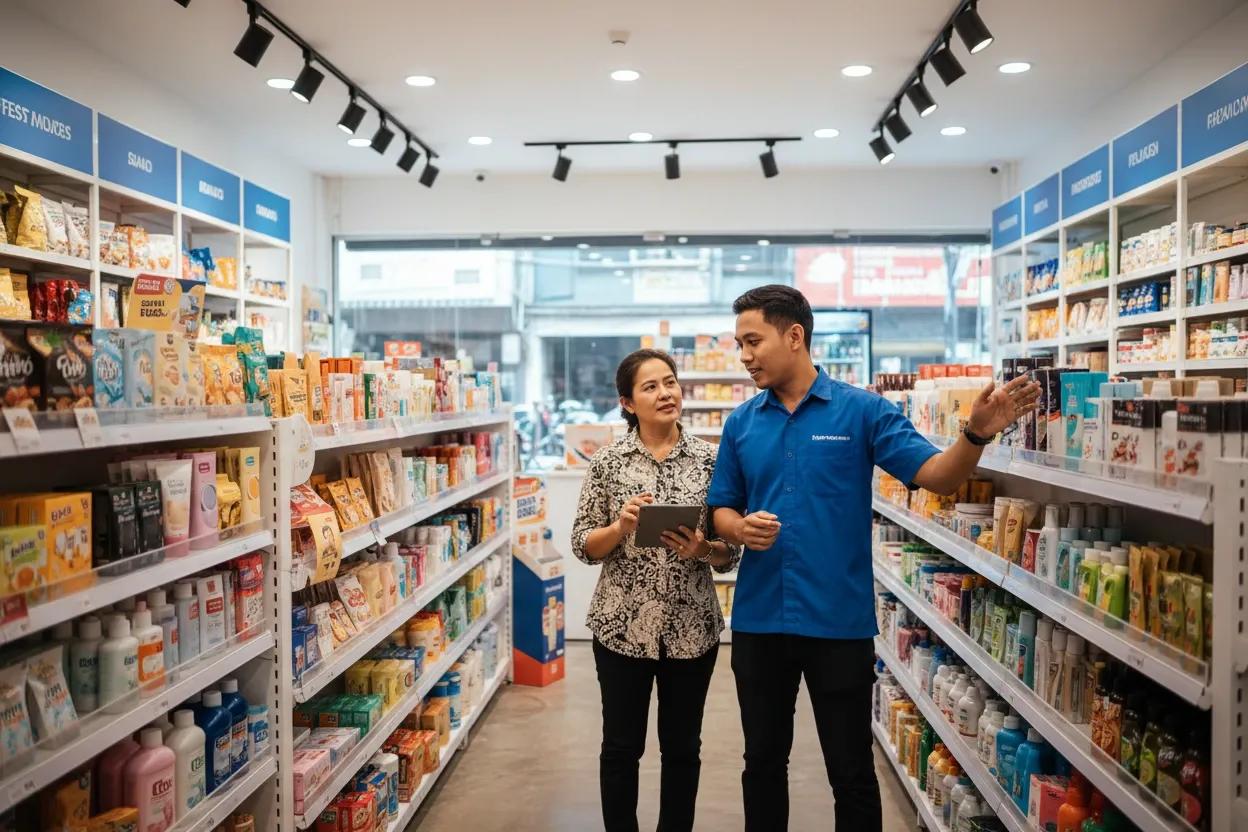
Cross-selling is a sales strategy that encourages customers to purchase complementary products alongside their main order. Offering relevant products during the same transaction can increase basket size, maximize transaction value, and improve product exposure across customer accounts.
Many businesses focus heavily on acquiring new customers while overlooking additional sales potential within existing accounts. Cross-selling helps businesses unlock that potential through relevant product recommendations, bundled offers, and promotional programs that align with customer purchasing patterns.
How to Implement a Cross-selling Strategy
Cross-selling is a practical strategy for increasing average order value while creating lasting customer relationships. Offering relevant complementary products helps every transaction deliver greater value for both the business and the customer.
- Understand Customer Needs
Successful cross-selling starts with understanding customer buying behavior. Purchase history, customer profiles, and interactions with the sales team provide valuable insights into products customers frequently purchase together.
Using those insights, sales teams can recommend complementary products that match customer needs instead of making generic offers. - Identify Complementary Products
Not every product is suitable for cross-selling. For example, customers purchasing cooking oil may also need flour and sugar. Outlets ordering instant noodles may also have demand for bottled tea or ready-to-drink beverages.
Relevant recommendations are often easier for customers to accept because they fit existing purchasing patterns. - Use Salesman Software
Salesman software allows field sales to access customer information in real time and identify opportunities during every visit.
The software reduces manual administrative tasks, allowing sales representatives to focus on customer engagement and recommending goods. - Bundle Products
Bundling encourages customers to purchase complementary products in a single transaction. Instead of selling individual items, businesses can package products that naturally fit together.
For example, a grocery store purchasing cooking oil may also receive a bundled offer for flour and sugar during the same order. A convenience store ordering instant noodles could receive an additional offer for bottled tea or ready-to-drink beverages. These combinations provide practical value while increasing basket size. - Offer Incentives and Discounts
Special incentives encourage customers to add complementary products to their orders. Limited-time discounts, reward points, or bonus items can increase interest in bundled purchases.
For example, customers purchasing coffee products may receive a discount on creamer, while buyers ordering snack products may qualify for promotional pricing on soft drinks.
Measuring Cross-Selling Effectiveness
Measuring the effectiveness of cross-selling helps businesses understand whether product recommendations generate additional value and contribute to long-term customer growth. Tracking the right metrics also reveals opportunities for continuous improvement.
- Cross-selling Conversion Rate
The conversion rate measures the percentage of transactions that include additional or complementary products. A higher conversion rate indicates that product recommendations align with customer purchasing behavior and buying patterns. - Average Order Value (AOV)
Average Order Value indicates how much customers spend per transaction. Comparing AOV before and after cross-selling helps identify whether complementary product recommendations increase transaction value. - Customer Lifetime Value (LTV)
Customer Lifetime Value measures the total revenue generated throughout a customer's relationship with the business. Growth in LTV indicates that customers continue purchasing complementary products across multiple transactions.
Manage and Track Cross-Selling with BOSNET Distribution Management System (DMS)
Increase transaction value and support cross-selling activities with BOSNET Distribution Management System (DMS). Built for distribution and FMCG operations, BOSNET businesses manage and track promotional programs, bundled offers, and complementary product sales from a single platform.
Real-time visibility into inventory, product availability, and sales transactions helps teams monitor program execution and ensure promotional products are available during sales and delivery.
Contact us today to learn how BOSNET DMS can support your cross-selling strategy.
#BOSNET #BestFMCGRunsBOSNET #Distribution #SupplyChain #IncreaseRevenue #ReduceCost