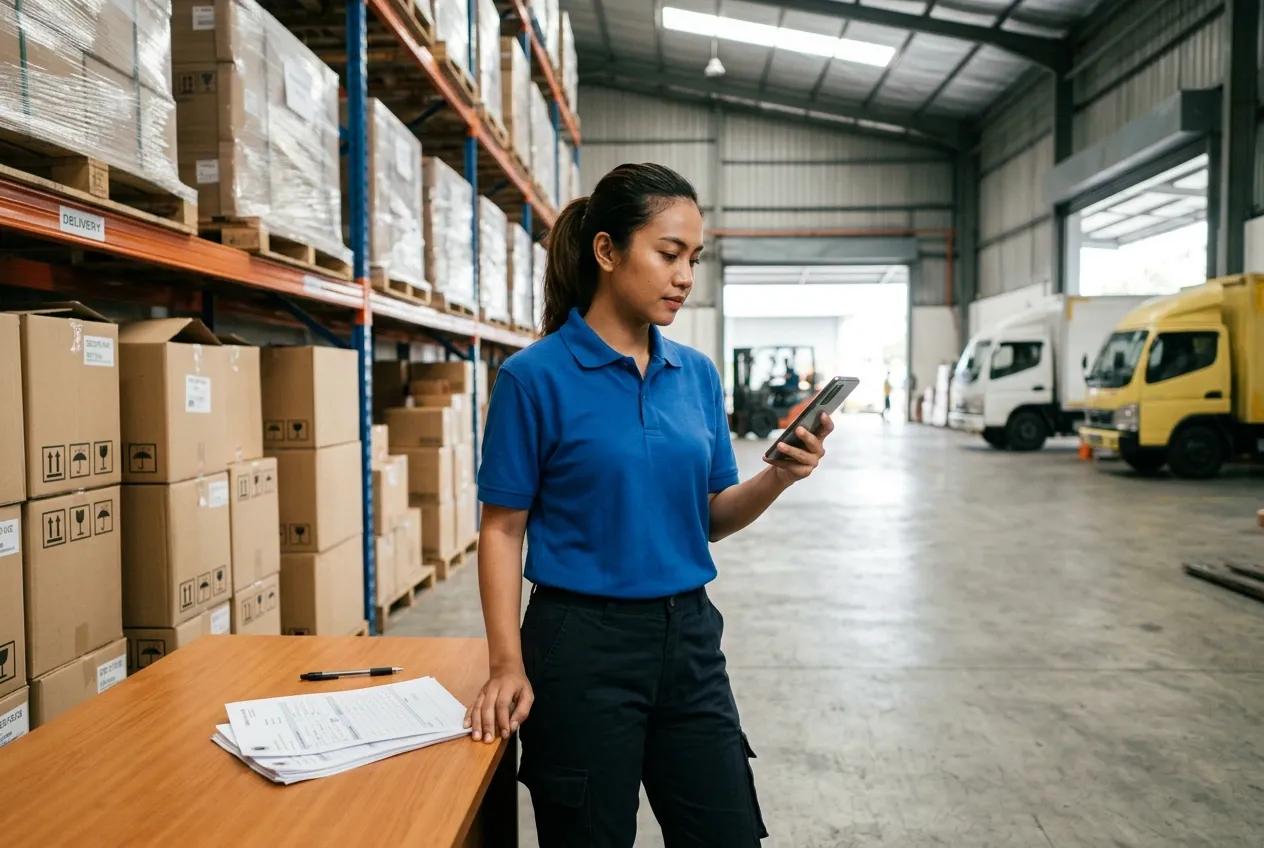
Logistics costs are part of every distribution operation. Products need to be stored, transported, and delivered before they reach customers and outlets. Each activity adds to the total cost, from warehouse operations and inventory handling to fuel and transportation.
For distributors and manufacturers, these costs can become significant when they handle large product volumes and frequent deliveries. Rising fuel prices, longer delivery distances, inefficient warehouse operations, and excess inventory can all increase logistics spending and reduce profit margins.
Types of Logistics Costs
Logistics costs come from several activities across the supply chain, including transportation, warehousing, inventory, distribution, and labor.
- Transportation and Delivery
Transportation and delivery costs arise from the movement of goods between locations, starting from manufacturers to warehouses and continuing on to customers or retail outlets.
These costs include fuel, vehicle maintenance, tolls, shipping charges, and other expenses related to transporting goods from one point to another. - Warehousing
These expenses typically include warehouse rent, utilities, storage equipment, material handling systems, security, and facility maintenance.
In addition, operational activities such as receiving, picking, packing, and loading goods also contribute to overall warehouse costs. - Distribution Planning and Operations
Distribution planning and operational costs come from activities involved in managing how products are processed and delivered to customers or outlets. These costs can include route planning, order processing, delivery scheduling, vehicle usage, and goods handling. - Labor
Labor costs include the people involved in logistics activities, including warehouse operators, drivers, delivery teams, inventory staff, and logistics planners.
Causes of Rising Logistics Costs
Several factors can increase logistics costs. Poor route planning, low vehicle usage, inventory issues, and manual processes can all add unnecessary costs to daily distribution activities.
- Inefficient Routes
Poor route planning can lead to higher fuel consumption, longer travel times, and increased vehicle costs. Delivery teams may also spend more time on the road when routes do not account for delivery locations, schedules, traffic conditions, and vehicle capacity. - Low Vehicle Utilization
Vehicles that are not fully loaded can increase the cost of each trip. Fuel, driver, maintenance, and other vehicle costs still apply even when there is unused space.
Poor delivery planning can also lead to inefficient vehicle use. When orders and vehicle capacity are not planned together, some vehicles may carry only a small number of orders while other deliveries are still waiting. - Poor Inventory Management
Poor replenishment planning can lead to urgent stock movements. When inventory levels are not monitored and replenishment is delayed, businesses may need urgent deliveries to prevent stock shortages.
Urgent shipments can involve higher transportation costs, additional trips, and less efficient delivery schedules. - Manual Processes
Manual planning, tracking, and reporting can take up significant working hours. Logistics teams may spend up to 70% of their time on planning and reporting instead of daily distribution activities.
Manual processes can also lead to data errors, delayed updates, and repeated administrative work, adding unnecessary costs to logistics operations.
How to Reduce Logistics Costs
Reducing logistics costs starts with better planning across transportation, delivery, fleet, and inventory activities. Businesses can identify unnecessary expenses, use resources efficiently, and reduce avoidable trips through several strategies.
- Optimize Route Planning
Plan delivery routes based on distance, traffic, customer locations, and delivery priorities. Route optimization software can analyze these factors and recommend suitable routes for each delivery schedule. - Improve Delivery Planning
Create delivery schedules based on order volume, customer locations, and vehicle capacity. Grouping deliveries in nearby areas can reduce unnecessary trips, idle time, and vehicle downtime. - Track Deliveries in Real Time
Monitor vehicle and delivery locations in real time to keep track of field activities. GPS tracking can help identify delays, unauthorized vehicle use, and asset losses while allowing teams to respond to delivery issues faster. - Maximize Vehicle Utilization
Make better use of available vehicle capacity. Orders can be combined when possible, while vehicles can be assigned based on load volume, delivery areas, and capacity. Better vehicle utilization can reduce the number of trips needed to complete deliveries. - Optimize Inventory Levels
Align inventory levels with sales demand to avoid excess stock and urgent deliveries. Better inventory planning can also reduce warehouse handling and last-minute transportation costs. - Automate Logistics Processes
Digital logistics systems can connect route planning, delivery scheduling, vehicle tracking, and delivery records in one platform. Automation reduces manual work and gives logistics teams faster access to operational data.
BOSNET Solutions To Reduce Logistics Costs
BOSNET provides end-to-end distribution solutions that help businesses manage logistics costs across sales, inventory, transportation, and delivery activities. The following solutions are designed to reduce logistics costs:
- Distribution Management System (DMS)
Distribution Management System (DMS) helps manage sales, orders, inventory, and distribution activities in one platform.
The system centralizes sales activities, order management, inventory information, and distribution operations in a single platform. With real-time visibility across the business, companies can reduce manual work, minimize input errors, and improve operational accuracy. - Smart Route
Smart Route helps businesses plan delivery routes based on outlet locations, distance, traffic, vehicle capacity, and delivery schedules.
The system helps reduce unnecessary travel, fuel consumption, and delivery time while supporting better use of available vehicles. - Mobile Delivery
Mobile Delivery enables drivers and delivery teams to manage distribution activities directly from their mobile devices. The solution provides real-time delivery tracking, digital proof of delivery, and delivery confirmation.
With delivery data recorded in real time, managers can track field activities, monitor delivery progress, and identify issues during the delivery process.
From sales execution and order management to warehouse operations and delivery processes, BOSNET helps businesses gain better visibility across the entire distribution cycle.
It's time to move beyond manual processes and adopt a distribution system designed to support future business growth.
Contact us today to learn how BOSNET can help reduce your logistic cost.
#BOSNET #BestFMCGRunsBOSNET #Distribution #SupplyChain #IncreaseRevenue #ReduceCost