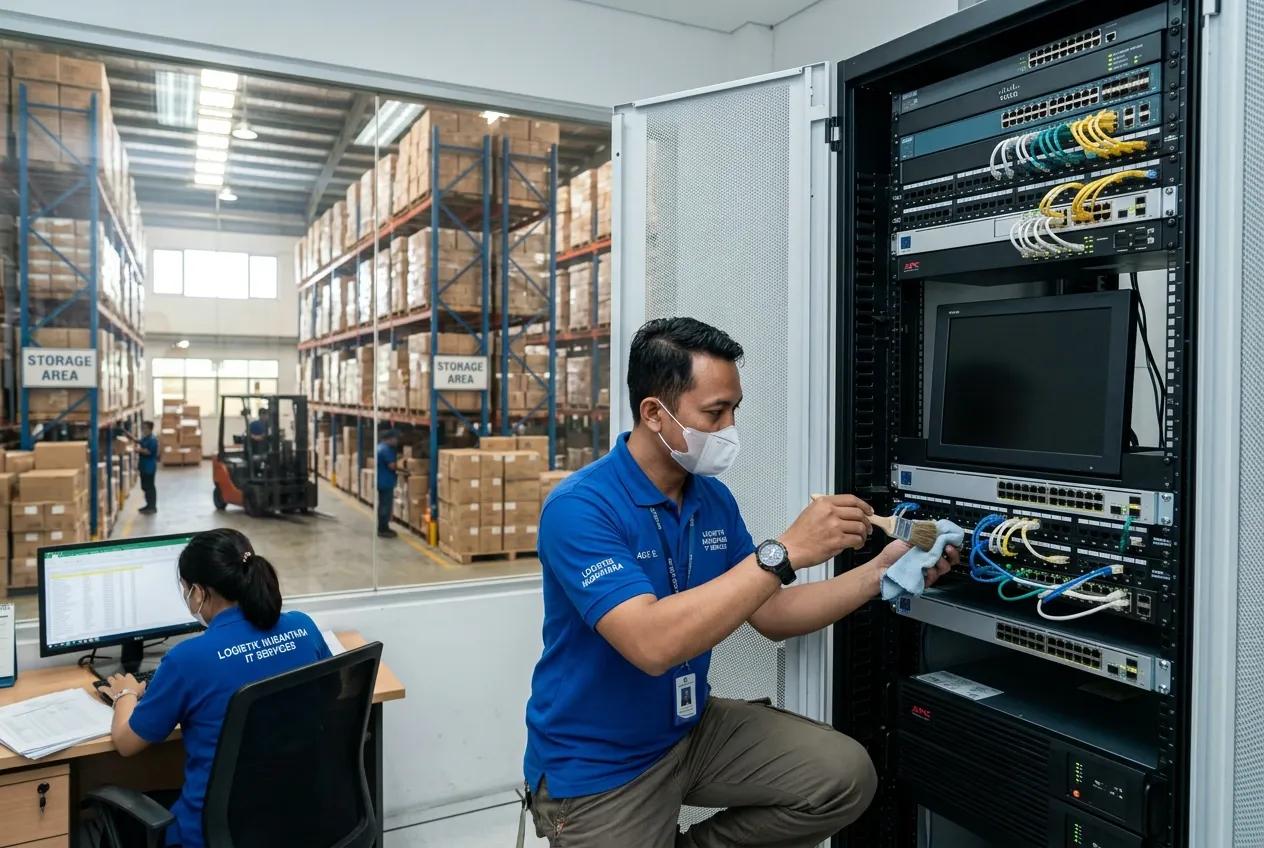
Distributor systems support daily activities such as sales, inventory management, warehouse operations, delivery, and reporting. As more transactions and activities are processed through the system, keeping the system running properly becomes an important part of daily operations.
Like other systems, distributor software also requires regular maintenance. Scheduled maintenance helps businesses carry out system checks, updates, and other necessary maintenance on a regular basis.
What Is Scheduled Maintenance for Distributors?
Scheduled maintenance is planned maintenance carried out to check, update, and maintain a distributor system. It can cover different parts of the system, including applications, databases, integrations, servers, and other components that support daily distribution activities.
Unlike maintenance that is only carried out after a problem occurs, scheduled maintenance is arranged in advance. Distributors can choose a suitable time, inform users, and prepare daily activities around the maintenance schedule.
Why Is Scheduled Maintenance Important for Distributor Systems?
Distributors handle sales, inventory, warehouse activities, deliveries, and many other processes every day. These activities rely on a system to record transactions, process information, and connect different parts of the business.
Because the system is used throughout the day, it needs regular checks and maintenance. Without regular maintenance, technical issues can affect system availability, performance, or connections between different processes.
Scheduled maintenance allows distributors to carry out system checks and updates at an appropriate time. It also gives technical teams an opportunity to identify areas that need attention and address them as part of regular system maintenance.
Benefits of Scheduled Maintenance for Distributor Systems
- Reduce Downtime
A distributor system supports many activities across sales, warehouse, and delivery. If the system goes down, these activities can also come to a stop. Sales teams may not be able to take orders, warehouse teams may be unable to process goods, and delivery teams may not have access to the information they need.
Scheduled maintenance helps reduce the risk of unexpected downtime by giving the team a chance to check the system and address potential issues before they affect these activities. - Maintain System Performance
Distributor systems process transactions and data throughout the day. As transaction volumes increase, the system needs to handle more activity across different parts of the business.
Regular maintenance helps teams check how the system is performing and address technical issues that may affect its performance. This allows the system to handle increasing transaction volumes as the business grows. - Keep Data Accessible
Sales, inventory, outlet, delivery, and collection data are used across different activities throughout the day. Teams rely on this information to process orders, manage stock, handle deliveries, and carry out other tasks.
Scheduled maintenance helps ensure that the parts of the system responsible for storing and processing this information continue to work properly, so users can access the data they need when carrying out their daily activities. - Maintain System Integration
Distributor activities often involve several connected processes. Information from sales, for example, may need to be shared with inventory, warehouse, delivery, and finance.
If one of these connections has a problem, information may not be transferred as expected, and the next process can also be affected. - Support System Updates
Distributor systems need to keep up with changes in business processes, technology, and security.
Scheduled maintenance provides a suitable time to apply system updates, make configuration changes, and carry out other technical improvements.
Why Should Distributors Make Scheduled Maintenance a Routine?
Sales, warehouse, delivery, and other business processes rely on the distributor system throughout the day. Because the system plays a central role in these activities, its maintenance should also be handled regularly.
A regular maintenance schedule gives distributors time to check the system, apply necessary updates, and address issues before they become bigger problems. It also allows technical teams to review whether the system still meets changing business needs.
Over time, making scheduled maintenance a routine helps distributors keep the system in good condition and prepared for day-to-day business activities.
Optimize Your Distribution With BOSNET
From regular system maintenance and updates to daily sales, inventory, warehouse, and delivery activities, BOSNET helps distributors keep their distribution operations running through an integrated platform.
It's time to have a distribution system that is ready to support daily operations and keep up with your business needs.
Contact us today to learn how BOSNET can help optimize your distribution business.
#BOSNET #BestFMCGRunsBOSNET #Distribution #SupplyChain #IncreaseRevenue #ReduceCost