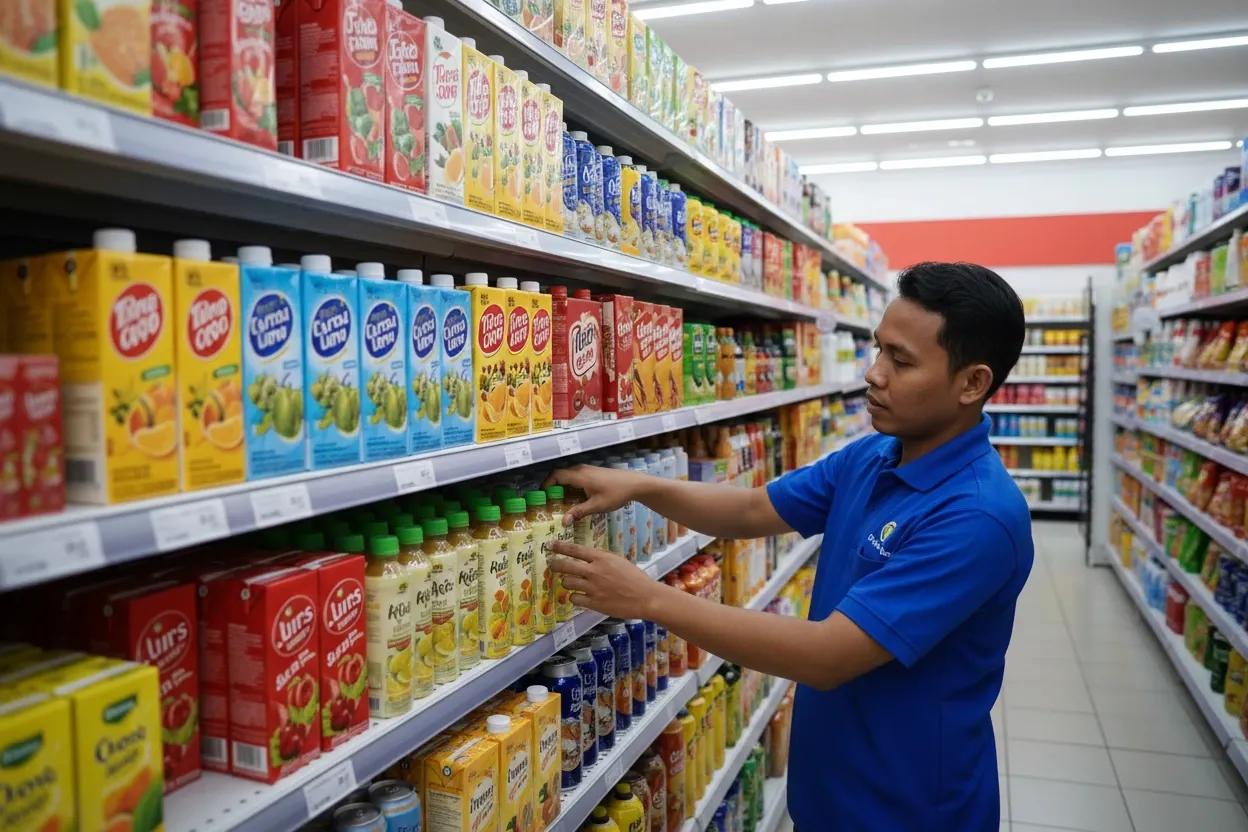
Share of Shelf is one of the most important metrics in retail distribution because it reflects how visible a brand is compared to its competitors. The amount of shelf space allocated to a product directly influences purchase decisions.
As competition continues to increase, distributors and principals need accurate visibility into how products are displayed across outlets. Measuring Share of Shelf helps businesses evaluate merchandising execution, monitor compliance, and identify opportunities to improve visibility and in-store performance.
What is Share of Shelf?
Share of Shelf refers to the percentage of shelf space a brand occupies within a specific product category compared to competing brands. It measures how much display space is allocated to a brand on the shelf.
As a key retail metric, share of shelf helps distributors and principals evaluate brand presence and compliance across outlets. A higher SOS can improve product visibility, attract shopper attention, and support sales opportunities.
Why Does Share of Shelf Matter for Brands?
In a competitive retail environment, products compete for shopper attention every day. The amount of shelf space a brand occupies plays an important role in influencing product visibility. Brands with greater shelf presence are easier for shoppers to notice, increasing the likelihood of being selected and purchased.
A well managed share of shelf also delivers several business benefits:
- Higher Brand Recall and Awareness
Greater shelf visibility helps shoppers recognize and remember a brand while browsing product categories. - Better Conversion at the Point of Sale
Products with greater visibility are easier to find, increasing the opportunity for purchase decisions at the shelf. - Greater Negotiation Power with Retailers
Consistent shelf performance and brand presence provide valuable data that supports discussions with retail partners on shelf allocation and merchandising. - Better Campaign Execution Through Visual Impact
Promotional displays and branded shelf arrangements become easier to notice, helping marketing campaigns achieve greater visibility in stores.
How to Calculate Share of Shelf
Share of Shelf is typically calculated by comparing the shelf space occupied by a brand with the total shelf space available within the same product category.
Linear Share of Shelf (%) = (Shelf Length Occupied by the Brand ÷ Total Shelf Length in the Category) × 100
For example, if a brand occupies 2 meters of shelf space in a category with a total shelf length of 10 meters, its Share of Shelf is 20%.
Beyond linear shelf space, many sales teams also evaluate additional merchandising indicators to gain a broader understanding of brand visibility, including:
- SKU Count vs. Competitors
Compares the number of product variants available against competing brands. - Vertical Visibility
Evaluates whether products are placed at eye level or other high visibility shelf positions. - Shelf Depth and Facings
Measures the number of product facings and the depth of product placement.
Strategies to Win More Share of Shelf
Here are some strategies brand use to win more space:
- Negotiate Shelf Space with Retailers
Work with retailers to secure larger shelf space for your products. Better shelf placement gives your brand greater visibility and increases the chance of attracting shoppers. - Use Planograms
Create planograms to define where products should be placed on the shelf. During every store visit, compare the actual shelf with the planned layout to make sure products are displayed correctly. Many distributors use merchandising software to verify planogram compliance through AI shelf image analysis. - Plan Merchandising Visits Consistently
Regular store visits help merchandising and sales teams monitor shelf availability, maintain product displays, and identify issues before they affect performance. Consistent visits also help ensure standards are maintained across different outlets. - Maximize POSM Execution
Point of Sales Materials (POSM) play an important role in attracting shopper attention. Promotional materials should be displayed according to campaign guidelines and placed in visible locations to improve product visibility and support in-store marketing activities.
Optimize Share of Shelf with BOSNET Solution
BOSNET provides an integrated suite of solutions that helps improve productivity, increase operational visibility, and manage distribution activities across the business. The following solutions are designed to optimize share of shelf.
- Mobile Merchandiser
Mobile Merchandiser is a digital solution designed to support merchandising activities in the field. It records every store visit with GPS location and timestamps, captures shelf images in real time, and digitalizes store audit activities within a single platform. - Vision
BOSNET Vision uses AI to analyze shelf images captured during store visits. The solution identifies planogram compliance, measures share of shelf, evaluates shelf visibility, verifies promotional execution, and generates AI powered insights that help merchandising teams identify issues and improve retail execution across outlets.
150+ Renowned Brands Trust BOSNET for Their Distribution
Over 150 brands rely on BOSNET to manage their distribution and sales processes efficiently. BOSNET provides an end-to-end solution for distributors to track operations, performance, and sales in real time.
Contact us to see how BOSNET can streamline your operations and deliver real-time visibility across your distribution network.
#BOSNET #BestFMCGRunsBOSNET #Distribution #SupplyChain #IncreaseRevenue #ReduceCost