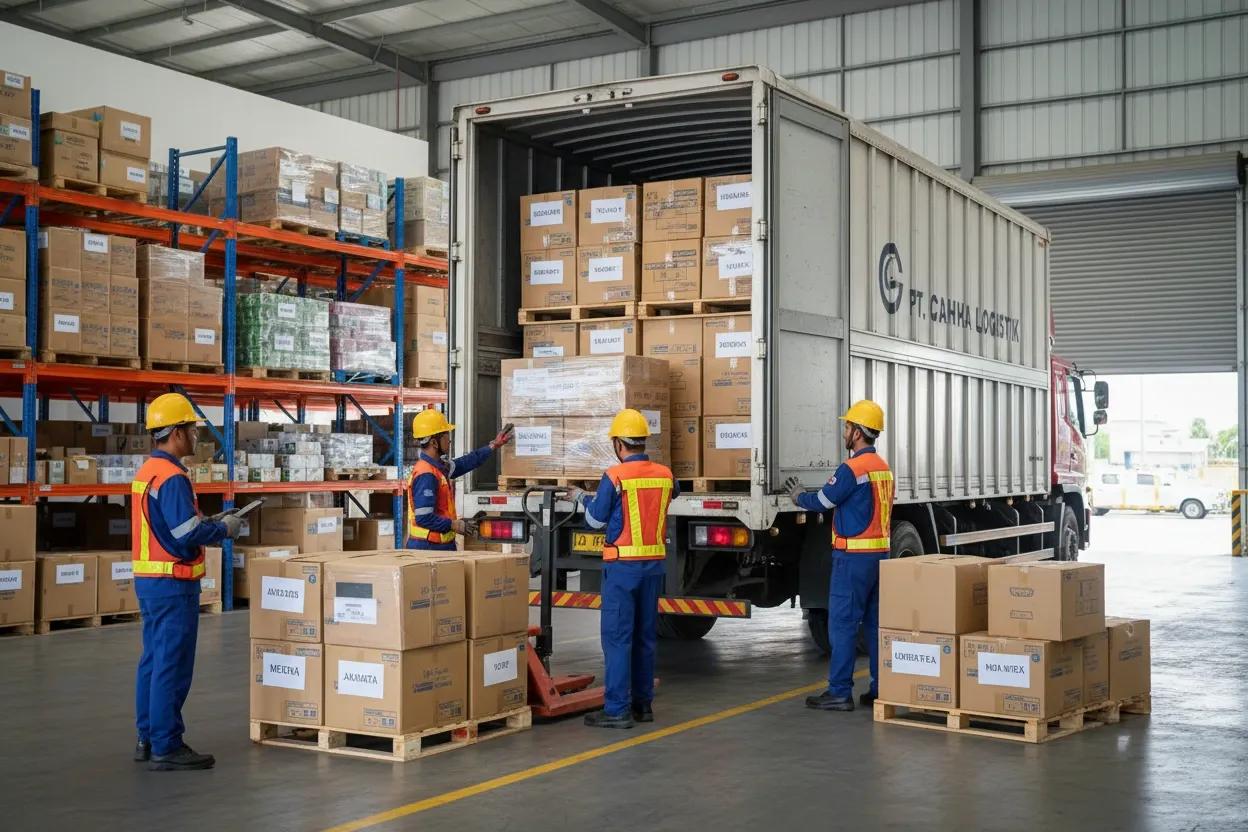
Shipping costs are one of the largest expenses in distribution and logistics operations. As delivery volumes increase and distribution networks expand, transportation costs can significantly impact business profitability.
To maintain efficient distribution operations, businesses need to manage shipping costs carefully. By optimizing delivery planning, transportation routes, and resource utilization, companies can reduce unnecessary expenses
What Is Shipping Cost?
Shipping cost is the expense incurred to transport goods from a warehouse, distribution center, or fulfilment location to their final destination. It is an essential part of logistics and distribution operations, covering the movement of products throughout the supply chain.
The cost of shipping can vary depending on factors such as shipment distance, delivery method, product weight and dimensions, transportation mode, and service.
Components of Shipping Costs
Shipping costs consist of several components that contribute to the total transportation expense, including:
- Freight Charge
The basic transportation cost for moving goods from the origin location to the destination. - Handling Fee
A charge for warehouse handling activities, including loading, unloading, sorting, and preparing products for shipment. - Packing Fee
An additional fee for packaging materials and packing activities required to protect products during transportation. - Insurance
An optional cost that provides protection against loss or damage during transit. It is commonly used for high-value products, electronics, machinery, and other sensitive goods.
Factors That Influence Additional Shipping Costs
Additional shipping costs can vary depending on several factors, including:
- Quantity
The quantity of products being shipped is one of the primary factors affecting shipping costs. Larger shipments often result in a lower transportation cost per unit because vehicle capacity can be utilized more efficiently. - Distance
The distance between the warehouse and the delivery destination also influences delivery costs. Longer routes generally require higher transportation expenses due to increased fuel consumption, travel time, and operational costs. To optimize deliveries, many distributors use route optimization software to identify the most efficient routes. - Product Weight and Dimensions
Costs are often calculated based on the weight and size of the shipment. Heavier or bulkier products require more capacity, which can increase expenses. - Delivery Frequency
Frequent deliveries to the same destination can increase transportation costs. Businesses often plan delivery schedules carefully to maximize vehicle utilization and reduce unnecessary trips. - Transportation Method
Different transportation methods have different cost structures. Deliveries by truck, van, motorcycle, ship, or air freight will vary depending on speed, capacity, and operational requirements. - Fuel
Fuel is one of the largest components of transportation expenses. Changes in fuel prices can directly affect shipping costs, especially for businesses managing large distribution networks. - Urgency
Urgent deliveries often require dedicated transportation or expedited services, which can result in higher costs compared to standard delivery schedules. - Location
Shipping to remote, rural, or hard-to-reach locations may require additional resources and travel time.
Strategies to Reduce Shipping Costs
Businesses can apply several strategies to reduce shipping costs while maintaining delivery performance and product availability.
- Multi-Trip Deliveries
Distributors rarely deliver products to only one outlet. Instead, deliveries are typically planned across multiple destinations within a single trip. By serving several outlets in one route, businesses can maximize vehicle utilization and reduce transportation costs.
Without proper trip planning, field team may need to travel back and forth between the warehouse and outlets, increasing fuel consumption and operational expenses. - Use Route Optimization Software
Route optimization software helps businesses identify the most efficient delivery routes. By reducing travel distance and delivery time, distributors can improve delivery scheduling, increase field team productivity, and lower transportation expenses. - Adjust Delivery Timing
Reviewing delivery schedules can help businesses reduce shipping costs. Combining orders and planning deliveries during optimal time windows can improve vehicle utilization and reduce the number of trips required. - Monitor Field Team Performance
Tracking delivery performance helps businesses identify inefficiencies and opportunities for cost reduction. Key metrics include:
• Cost per delivery
• Deliveries per route
• Average delivery distance
• Failed delivery rate
• Vehicle utilization
Reduce Shipping Cost with BOSNET Smart Route
BOSNET Smart Route analyzes distance, traffic, delivery priorities, and fleet capacity to generate an efficient, executable route plan. This helps businesses save time, cut costs, and make the most of their resources.
With BOSNET solutions, businesses can ensure product availability, improve delivery performance, and maintain smooth, reliable logistics across their fleet.
Contact us to learn how BOSNET Smart Route streamlines your distribution operations.
#BOSNET #BestFMCGRunsBOSNET #Distribution #SupplyChain #IncreaseRevenue #ReduceCost