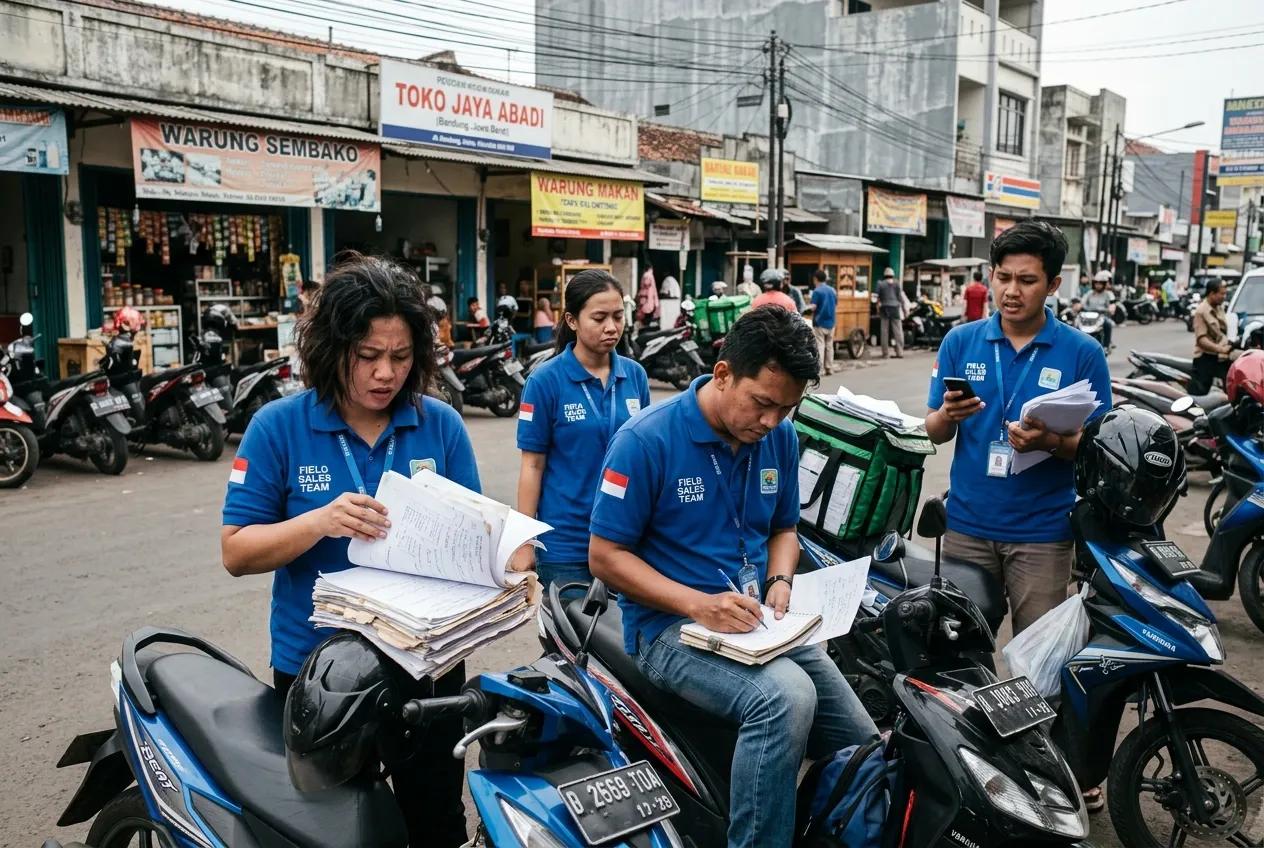
During the early stages of a business, sales activities may still be managed through paper forms, spreadsheets, phone calls, and chat groups. The process can work when the sales team is small, outlet coverage is limited, and supervisors can still monitor field activities directly.
As the business grows, however, sales territories expand, order volumes increase, and managing customer activities becomes more complex. Manual processes can begin to slow down order processing, delay visit reporting, and limit visibility into sales activities.
Sales Force Automation (SFA) helps distributors digitize and connect these activities, allowing sales teams and supervisors to manage orders, outlet visits, and sales information through a single system.
Why Should Businesses Recognize the Need for SFA Early?
Businesses need to recognize the need for Sales Force Automation (SFA) before manual processes begin to affect orders, customer service, administrative costs, and decision-making. Operational issues often start with small tasks that seem manageable, then grow as the number of orders, customers, and sales activities increases.
For example, an admin may initially only need to enter a few orders each day. What initially takes only a few minutes can eventually require several hours, while also increasing the risk of errors. A mistake in one order can then affect other activities, including warehouse, delivery, invoicing, and collection.
Delayed information can also limit a supervisor's ability to respond to issues. A missed outlet visit, promotion that has not been carried out, or sales target that is falling behind may only be identified after the issue has already affected operations or sales performance.
Signs Your Distributor Sales Team Needs an SFA Application
Here are ten signs that your sales team may need an Sales Force Automation (SFA):
- Manual Order Taking
Sales representatives may still write orders on paper, send them through chat, or share photos of handwritten order notes with the admin team. The same information then needs to be entered again into a spreadsheet or office system.
This extra data entry increases the risk of incorrect products, incorrect quantities, or missed orders. Warehouse teams may also need to wait until the order has been entered before they can begin preparing the goods. - Delayed Sales Reports
Sales reports only reach supervisors at the end of the day, the following morning, or later. As a result, supervisors may not have the information needed to respond to issues while sales teams are still visiting outlets.
For example, a sales representative may not have the latest price or promotion information when meeting a customer. The opportunity to take an order may be lost before the issue reaches the supervisor. - Limited Monitoring
Supervisors may receive reports showing that an outlet was visited but have no details about the time, location, photos, or result of the visit.
SFA can record check-in, check-out, location, photos, and visit results, giving supervisors a record of field activities at each outlet. - Inefficient Visit Schedules and Routes
Field sales often visit outlets based on routine rather than current sales priorities. Some outlets receive frequent visits, while other potential outlets receive less attention. - Inconsistent Price, Stock, and Promotion
Sales representatives often rely on separate sources for prices, stock availability, discounts, and promotions. Different salesmen can also use different versions of the same information. - Customer data and Order History
Customer information is spread across personal phones, spreadsheets, chat messages, and individual sales records. Order history may also depend on the sales representative handling the outlet.
When territory assignments change, the next sales representative may have limited information about the customer. - Sales Targets and KPIs
Field sales do not always have direct access to their targets for visits, orders, sales value, or active outlets. Supervisors then also need to combine data from several reports to review performance. - Sales, Stock, Delivery, and Payment Data Are Not Connected
An order may already be received while the warehouse has not received the information. Goods may have been delivered while the sales representative has not received the latest delivery status. A customer may also have made a payment while the payment record has not yet been updated.
Field sales then need to contact different teams to confirm each status. Connecting sales, delivery, and payment information allows them to access the latest updates without relying on separate sources. - Increasing Errors and Complaints
Incorrect order information can lead to wrong products, quantities, discounts, or delivery details. Repeated mistakes can increase return costs and affect customer trust. - Inconsistent Customer Follow-Up
Sales representatives may receive customer requests about new products, pending orders, price changes, or future purchases, but follow-up details may be kept only in personal notes or chat conversations.
When these records are not available, opportunities can be missed and customer requests may remain unresolved.
How SFA Helps Solve These Challenges
Sales Force Automation (SFA) brings key sales information into one system, allowing sales teams to manage orders, outlet visits, customer data, and targets directly from the field. Supervisors can access sales updates as they are recorded, giving them better visibility into daily sales activities.
For distributors, SFA can also connect sales with inventory, delivery, and payment information. Sales teams can access customer history, product details, prices, and promotions during outlet visits, while supervisors can monitor sales results and follow up on issues more quickly.
Manage Your Sales Team with BOSNET Mobile Distribution
BOSNET Mobile Distribution helps businesses monitor sales visits, validate field activities, manage sales routes, and track sales performance in real time through a single integrated platform.
Get real-time visibility into field sales activities and actionable insights from every outlet visit. BOSNET helps businesses increase revenue, reduce costs, and improve sales execution across the distribution network.
Ready to digitalize your sales force?
Contact us to discover how BOSNET Mobile Distribution can manage your salesman activities in one integrated solution.
#BOSNET #BestFMCGRunsBOSNET #Distribution #SupplyChain #IncreaseRevenue #ReduceCost