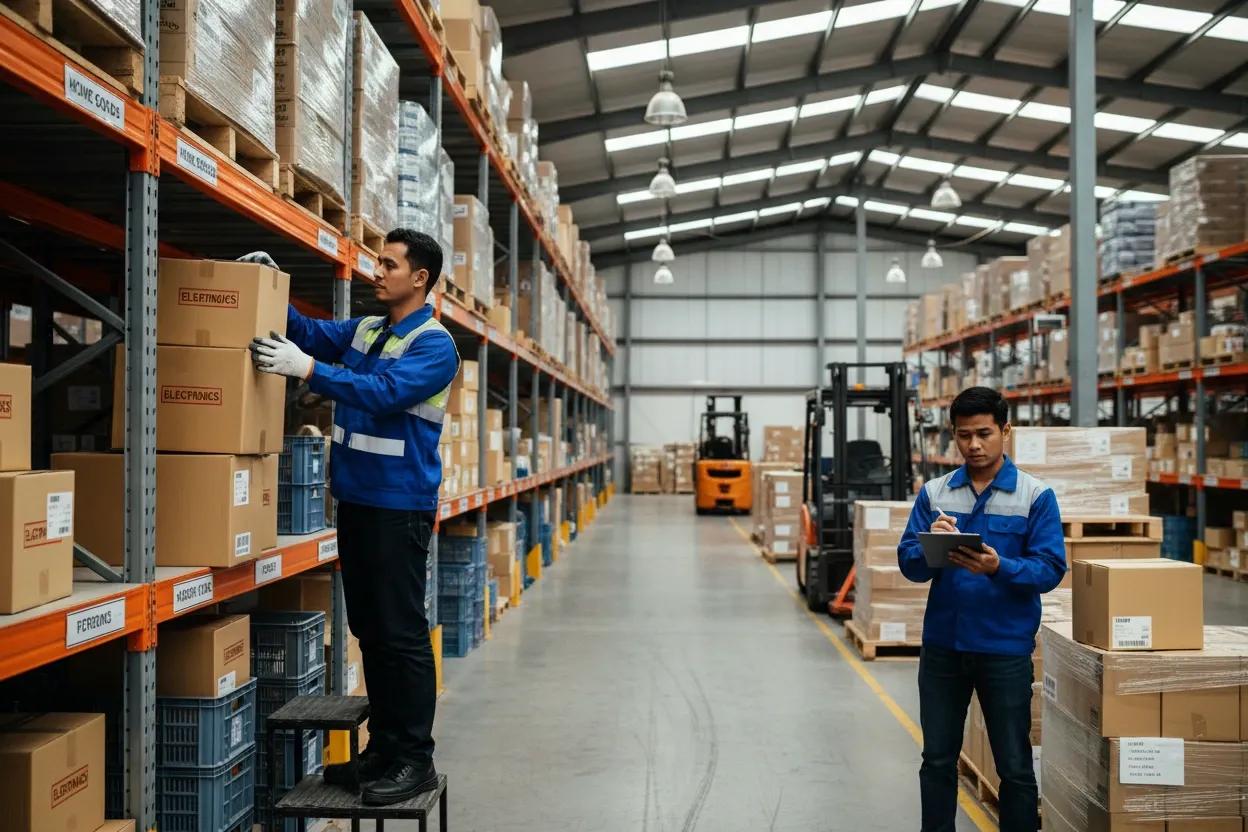
Backorders are one of the common causes of delays in order fulfillment. When products are unavailable at the time an order is placed, businesses must postpone deliveries.
Measuring backorder rate helps companies evaluate inventory performance, identify issues, and determine whether existing inventory planning strategies are sufficient to meet customer demand.
Definition of Backorder
A backorder occurs when a product is unavailable when a customer places an order, but the order can still be processed and fulfilled after stock becomes available.
It usually happens when customer demand exceeds available inventory. It can also result from supply chain disruptions, production delays, or inventory shortages.
Although backorders allow businesses to continue accepting orders, they should be managed carefully.
What Causes Backorders?
Backorders can happen for several reasons. Understanding these causes can help businesses maintain product availability and reduce stockout.
- Poor Demand Planning
Backorders can occur when businesses do not accurately forecast demand. If stock are low, products may run out before replenishment. Without accurate inventory data and planning, stockout can become a recurring issue. - Sudden Increase in Demand
A sudden increase in demand can quickly deplete available inventory. When orders grow faster than expected, businesses may not have enough stock to fulfill all customer requests immediately.
As a result, some orders must remain pending until new inventory becomes available. - Supply Chain Delays
Supply chain issues can also lead to backorders. Delays from suppliers, transportation problems, or logistics challenges can slow the movement of products and affect inventory availability. When products do not arrive on schedule, businesses may struggle to meet customer demand.
Impact of Backorders on Distributors
Backorders are not always negative. In some cases, they indicate that a product is in high demand. However, frequent backorders can create operational challenges.
Positive Impact
- Measure Demand
Backorders can reveal which products are selling faster than expected. This information helps businesses adjust purchasing plans and inventory levels. - Maintain Customer Relationships
Customers may be willing to wait for products if businesses communicate clearly about stock availability and delivery schedules. Good communication can help maintain customer trust. - Keep Sales Opportunities Open
Backorders allow businesses to continue receiving orders even when products are temporarily unavailable. Instead of losing sales, companies can fulfill orders after inventory is replenished.
Negative Impact
- Increase Operational Costs
Managing backorders often requires additional administrative work, separate deliveries, expedited replenishment, and schedule adjustments, which can increase operational costs. - Lower Customer Satisfaction
Long waiting times can frustrate customers, especially when products are needed urgently. Some customers may choose to purchase from competitors instead.
Affect Business Reputation
Frequent stock shortages may create the impression that a business cannot consistently fulfill orders. Over time, this can affect customer confidence.
How to Measure Backorder Rate
Backorder rate is a metric used to measure how often customer orders cannot be fulfilled immediately due to inventory shortages.
The formula for calculating backorder rate is:
Backorder Rate = (Total Backorders ÷ Total Orders) × 100%
A high backorder rate indicates frequent stock shortages. If the issue continues, it can lead to delayed deliveries, lower customer satisfaction, and lost business opportunities.
A low backorder rate indicates that inventory levels are sufficient to meet customer demand. It also reflects better inventory planning and product availability.
How to Manage Backorders
With the right strategies, businesses can reduce stock shortages, maintain product availability, and keep backorder rates at a manageable level.
- Keep Customers Informed
Clear communication is important when managing backorders. Customers should receive updates about order status, product availability, and estimated delivery dates.
Businesses can also offer alternatives, discounts, or shipping incentives to help maintain customer satisfaction while customers wait for their orders. - Improve Demand Forecasting
Accurate demand planning helps businesses anticipate future inventory needs and prepare for fluctuations in customer demand. Historical sales data, purchasing trends, and market insights can be used to forecast inventory needs with greater confidence.
Solutions like a Warehouse Management System (WMS) provide inventory visibility and data that support better forecasting and replenishment planning, helping businesses reduce the risk of stock shortages. - Monitor Inventory in Real Time
Real-time inventory visibility helps businesses track stock levels and identify products that are running low.
A WMS can help track inventory movement, monitor stock availability, and manage safety stock levels. When inventory reaches predefined thresholds, replenishment can be initiated to support product availability. - Work with Multiple Suppliers
Relying on a single supplier can increase the risk of stockout. Partnering with multiple suppliers helps businesses maintain a reliable source of inventory and reduce dependency on a single vendor.
Manage Backorders with BOSNET Solutions
BOSNET provides an integrated suite of solutions designed to streamline distribution, improve productivity, increase operational visibility, and manage activities across the business. The following solutions support key processes throughout the distribution cycle:
- Distribution Management System (DMS)
Distribution Management System (DMS) is a core solution designed to manage and automate distribution processes end-to-end. Built for FMCG distributors with high transaction volumes and complex operational requirements, DMS centralizes key distribution activities into a single platform. - Warehouse Management System (WMS)
Warehouse Management System (WMS) helps distributors manage warehouse operations and inventory movement with greater accuracy.
The solution supports stock management, product tracking, inbound and outbound processes, and order fulfillment activities. - Replenishment
BOSNET replenishment helps maintain optimal inventory levels by automatically restocking goods when inventory falls below a defined threshold. This reduces the risk of human error, prevents stockouts, and ensures availability.
150+ Renowned Brands Trust BOSNET for Their Distribution
Over 150 brands rely on BOSNET to manage their distribution and sales processes efficiently. BOSNET provides an end-to-end solution for distributors to track operations, performance, and sales in real time.
Contact us to see how BOSNET can streamline your operations and deliver real-time visibility across your distribution network.
#BOSNET #BestFMCGRunsBOSNET #Distribution #SupplyChain #IncreaseRevenue #ReduceCost