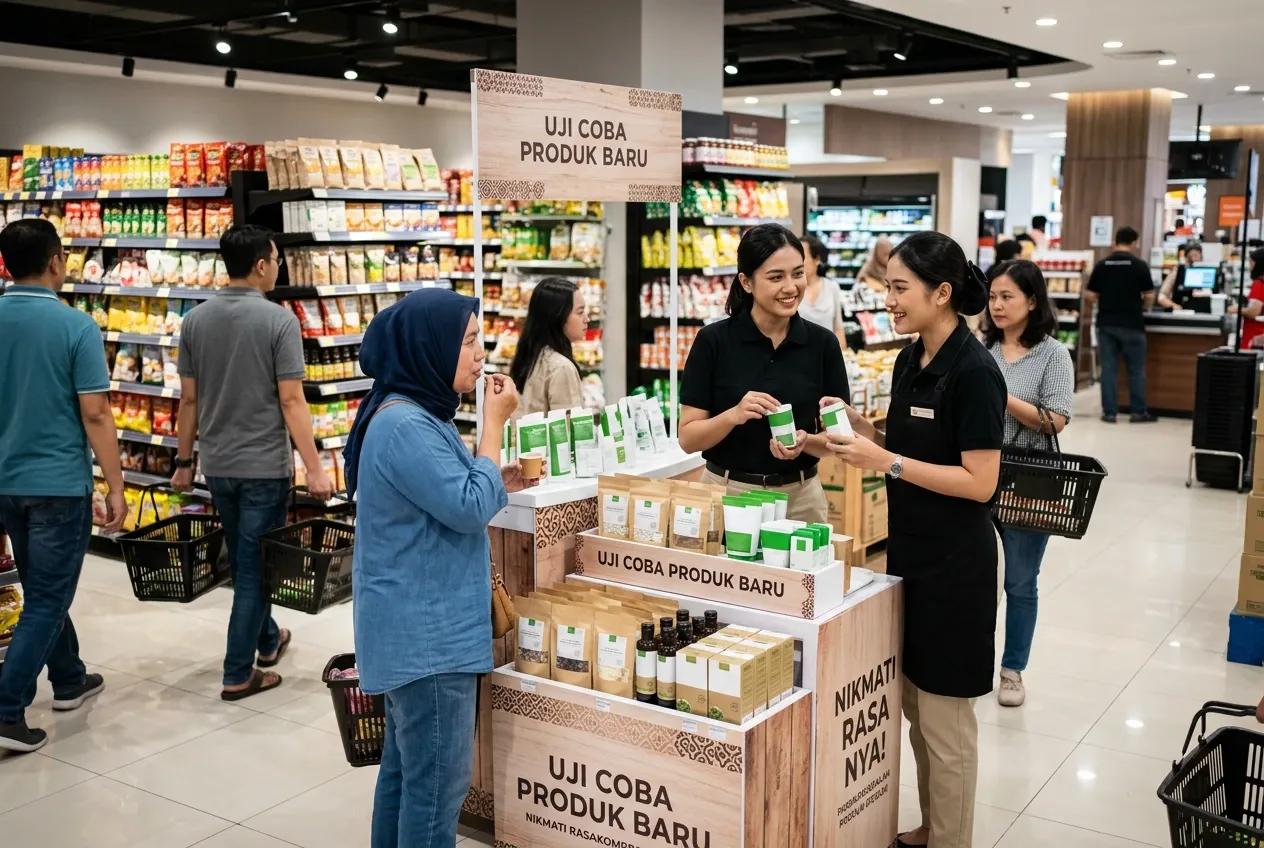
Introducing a new brand to the market involves more than making products available in stores. Even when products are already on the shelf, brands still need to attract shopper attention and communicate why the product is worth considering.
Brand activation helps brands build visibility and engage shoppers at the point of purchase. Product displays, shelf materials, promotional signage, and in-store activities can help attract attention, communicate product benefits, and encourage purchase decisions.
What Is Brand Activation?
Brand activation refers to marketing activities that introduce a brand and create direct interactions with consumers. It allows businesses to present their products, communicate key messages, and show what makes the brand different.
The main goals are to build brand awareness, generate interest, and encourage consumers to engage with the brand. Brand activation can take various forms, including product sampling, in-store promotions, events, social media campaigns, and merchandising activities.
Why Brand Activation Matters for New Brands
For a new brand, gaining recognition in a crowded market can be challenging. Brand activation gives businesses an opportunity to introduce their products directly to the target audience.
Reach New Audiences
For a new brand, building awareness and reaching the right customers can be challenging, especially when competing with established brands. Brand activation helps introduce the product directly to customers through the right outlets, retail channels, and locations.
- Build Brand Awareness
Regular exposure helps customers become familiar with a new brand. Consistent use of the brand name, packaging, visual identity, and key messages across outlets helps build awareness. - Drive Engagement
Brand activation gives customers a chance to interact with the product through sampling, promotions, and in-store activities. These activities can help customers become more interested in the product and encourage them to give it a try. - Support Purchase Decisions
Customers often need information before deciding what to buy. Clear product information, promotions, and in-store visibility can help customers understand the product and decide whether to purchase it. - Generate Sales Opportunities
Brand activation connects customer interest with the product at the point of sale. When the product is available and supported by the right promotion, customers have a direct opportunity to make a purchase.
Brand Activation Strategies to Introduce Your Brand
Brand activation can take different forms depending on the product, target audience, and retail channel. Brands can combine several activities to increase product visibility, attract shoppers, and encourage purchase.
- Product Display
A well-placed product display can help a new brand stand out at the outlet. Secondary displays, branded fixtures, shelf arrangements, wobblers, and other point-of-sale materials can give the product greater visibility and attract shoppers' attention. - In-Store Promotion
Discounts, special prices, product bundles, and limited-time offers can be used to attract attention and encourage purchases at the outlet. - Product Sampling
Product sampling gives shoppers an opportunity to try a product before buying it. It can be particularly useful for new product launches or products where taste, texture, or other product experience can influence the purchase decision. - Planogram
A planogram defines how products should be arranged on the shelf, including their position, sequence, facing, and shelf space. For a new brand, it helps maintain consistent product placement and visibility across outlets.
How To Run a Successful Brand Activation
- Define Your Target Audience
Start by identifying who the activation is intended to reach. Consider their purchasing habits, where they usually shop, and which retail channels are relevant to the product. - Set a Clear Objective
Set a clear goal for the activation from the beginning. Depending on the campaign, the objective could be to introduce a new product, increase brand awareness, reach new outlets, generate orders, or support sales. - Choose the Right Distribution Channel
Choose retail channels that match the product and target audience. These can include traditional retail, modern retail, supermarkets, events, digital platforms, or direct sales channels. - Plan the Activation
Set the campaign timeline, target outlets, budget, promotional offers, display requirements, materials, and team responsibilities before the campaign starts. - Brief the Field Team
Make sure the sales and merchandising teams understand what needs to be done at each outlet. The brief should cover campaign targets, outlet lists, product information, promotional offers, display standards, and tasks during outlet visits. - Execute the Activation
The field team then carries out the planned activities at the selected outlets. This can include setting up displays, arranging products, placing promotional materials, communicating offers, and conducting product sampling. - Monitor the Execution
Track how the activation is being carried out across participating outlets. Monitoring outlet participation, display execution, promotional activities, and product availability helps identify issues while the campaign is still running.
BOSNET Solutions for Brand Activations
BOSNET supports brand activation through an integrated suite of digital tools designed to enhance distribution efficiency from sales to delivery, including:
- Distribution Management System (DMS)
A Distribution Management System (DMS) serves as the foundation of distribution automation by managing and automating key operational processes.
The system centralizes sales activities, order management, inventory information, and distribution operations in a single platform. With real-time visibility across the business, companies can reduce manual work, minimize input errors, and improve operational accuracy. - Mobile Merchandiser
BOSNET Mobile Merchandiser digitizes daily merchandising activities by enabling merchandisers to manage outlet visits, monitor product displays and shelf availability, validate planogram compliance, execute promotional materials, and submit real-time field reports directly from a mobile device. - Vision
BOSNET Vision uses AI to analyze shelf images captured during store visits. The solution identifies planogram compliance, measures share of shelf, evaluates shelf visibility, verifies promotional execution, and generates AI-powered insights that help merchandising teams identify issues and improve retail execution across outlets. - Replenishment
Automated stock replenishment helps businesses maintain product availability by replenishing inventory when stock reaches predefined thresholds, reducing manual intervention and improving inventory accuracy. - Smart Route
Smart Route helps businesses plan delivery routes based on outlet locations, distance, traffic, vehicle capacity, and delivery schedules.
The system helps reduce unnecessary travel, fuel consumption, and delivery time while supporting better use of available vehicles. - Mobile Delivery
Mobile Delivery enables drivers and delivery teams to manage distribution activities directly from their mobile devices. The solution provides real-time delivery tracking, digital proof of delivery, and delivery confirmation.
150+ Renowned Brands Trust BOSNET for Their Distribution
Over 150 brands rely on BOSNET to manage their distribution and sales processes efficiently. BOSNET provides an end-to-end solution for distributors to track operations, performance, and sales in real time.
Contact us to see how BOSNET can streamline your operations and deliver real-time visibility across your distribution network.
#BOSNET #BestFMCGRunsBOSNET #Distribution #SupplyChain #IncreaseRevenue #ReduceCost