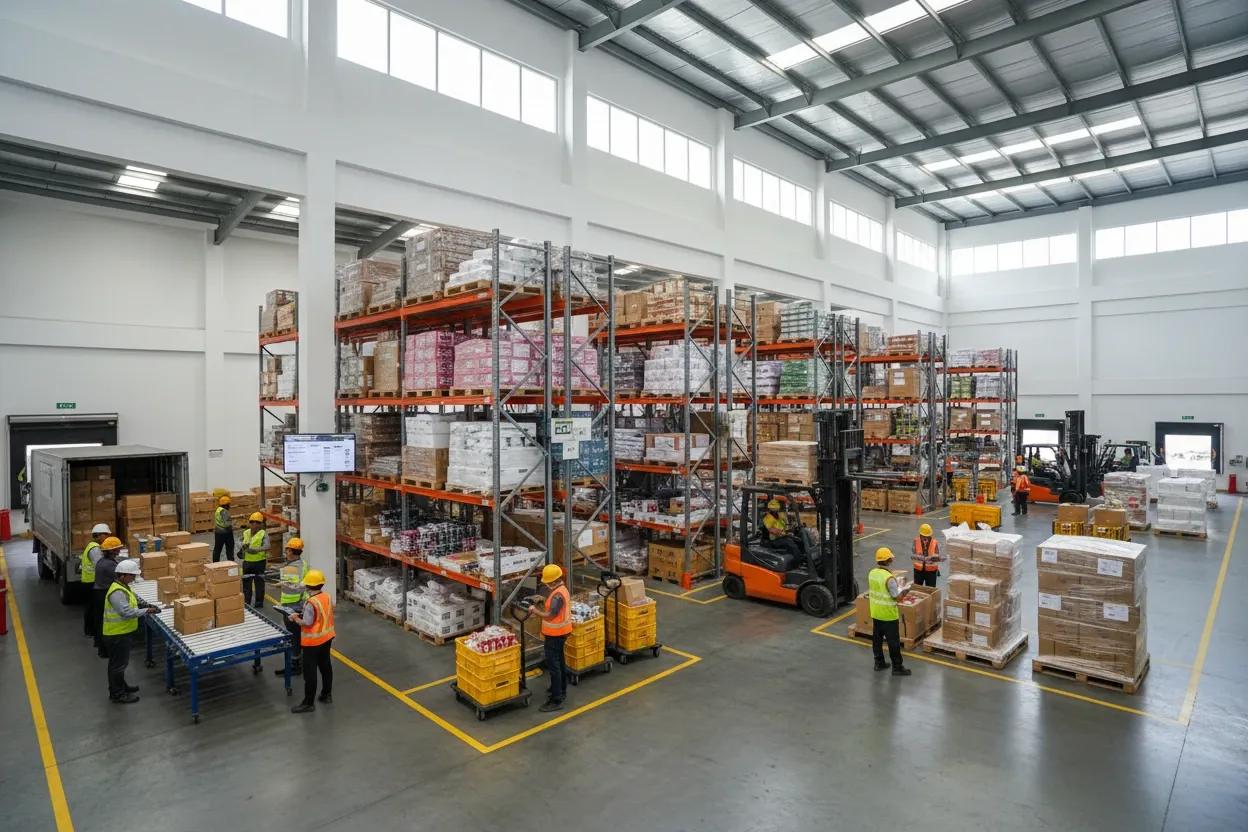
Inventory is a key part of business operations, particularly in the FMCG industry. The availability and movement of products directly support sales and distribution activities.
For distributors, inventory represents a valuable business asset. Each product has its own role, demand pattern, and storage needs.
Understanding the types and functions of inventory is important when managing stock. Businesses also need to know how inventory should be stored, monitored, and replenished to maintain the right stock level.
Types of Inventory
Inventory can be classified based on how quickly products move through the distribution process and their role in inventory management, they are:
- Fast-Moving Inventory
Fast-moving inventory refers to products with high demand and frequent stock movement. These products usually contribute to daily sales and need regular replenishment to maintain stock availability. - Slow-Moving Inventory
Slow-moving inventory refers to products with low demand and limited stock movement. These products tend to stay in the warehouse longer before being sold or distributed. High levels of slow-moving inventory can take up storage space and tie up working capital. - Safety Stock
Safety stock is additional inventory kept as a buffer against unexpected changes in demand or supply. It helps maintain product availability when demand rises or replenishment takes longer than expected.
The amount of safety stock depends on demand patterns, sales history, and supplier lead times. Distributors need to set the right stock level to avoid stockouts without holding unnecessary inventory. - Dead Stock
Dead stock refers to products that have remained unsold for an extended period and are unlikely to generate further sales. They occupy warehouse space while tying up capital.
Dead stock can result from overstocking, inaccurate demand planning, poor inventory management, or products that remain in inventory for too long.
Challenges in Inventory Management
Managing inventory involves balancing stock availability, warehouse capacity, demand, and data accuracy. Several challenges can affect how well inventory is managed, especially when businesses handle large product volumes and frequent stock movements.
- Limited Storage Space
Low-turnover products can stay in the warehouse for weeks or months, occupying space that could be used for products with higher demand. As inventory builds up, limited storage capacity can make it more challenging to organize products, access stock, and manage daily warehouse activities. - Demand Fluctuations
Demand can change due to market trends, seasonal periods, promotions, and customer purchasing patterns. A product may have high demand during one period and lower demand during another. When inventory levels do not follow these changes, businesses can face excess stock or stockouts. - Manual Processes
Inventory management involves activities such as receiving, picking, stock transfers, returns, and stock adjustments. When these transactions are recorded manually, data entry errors and missed updates can occur.
Small mistakes can accumulate over time, creating differences between system records and physical stock. Teams may then have difficulty knowing how much inventory is actually available for sales, replenishment, or order fulfillment. - Poor Stock Visibility
Inventory can be spread across multiple warehouses, branches, and distribution points. Having accurate inventory data across each location is important when allocating stock, planning replenishment, or fulfilling orders.
When inventory information is kept in separate records, teams may need to check multiple sources before making decisions. This can delay stock allocation and order fulfillment.
Inventory Management Tips For Businesses
Good inventory management helps businesses maintain stock availability, reduce errors, and support daily warehouse operations. Several practices can help companies manage inventory more efficiently.
- Use a Warehouse Management System
A Warehouse Management System (WMS) helps businesses track inventory as it moves through the warehouse. The system records activities such as receiving, put-away, picking, and packing.
With these activities recorded in the system, warehouse teams can see current stock levels and track inventory movements. It also helps reduce errors from manual recording and differences between system records and physical stock. - Choose the Right Inventory Method
Different products may require different inventory methods. FIFO (First In, First Out) prioritizes older stock, while FEFO (First Expired, First Out) prioritizes products with the earliest expiration dates.
FEFO is particularly useful for FMCG products with limited shelf life. Prioritizing products with earlier expiration dates can reduce expired stock and keep inventory moving. - Conduct Regular Stock Audits
Regular stock audits help companies check whether the inventory recorded in the system matches the physical stock in the warehouse. When a difference is found, teams can review related transactions and check for possible causes, including receiving errors, misplaced products, or picking mistakes. - Set a Reorder Point
A reorder point indicates when inventory needs to be replenished. It can be determined using average daily demand, supplier lead time, and safety stock.
When inventory reaches the reorder point, a replenishment order can be placed before stock runs out. This helps businesses maintain product availability while avoiding unnecessary stock levels.
Manage Inventory with BOSNET Warehouse Management System
BOSNET Warehouse Management System helps businesses manage stock across the warehouse. By automating inventory processes and providing real-time visibility, businesses can identify products faster, track stock movement accurately, and maintain records across multiple warehouse locations.
With its self-correcting system, BOSNET Warehouse Management System automatically updates inventory records based on the latest physical activity, delivering precise data for smarter decision-making and helping FMCG businesses increase revenue and reduce costs.
Contact us to see how BOSNET can efficiently manage your warehouse.
#BOSNET #BestFMCGRunsBOSNET #Distribution #SupplyChain #IncreaseRevenue #ReduceCost