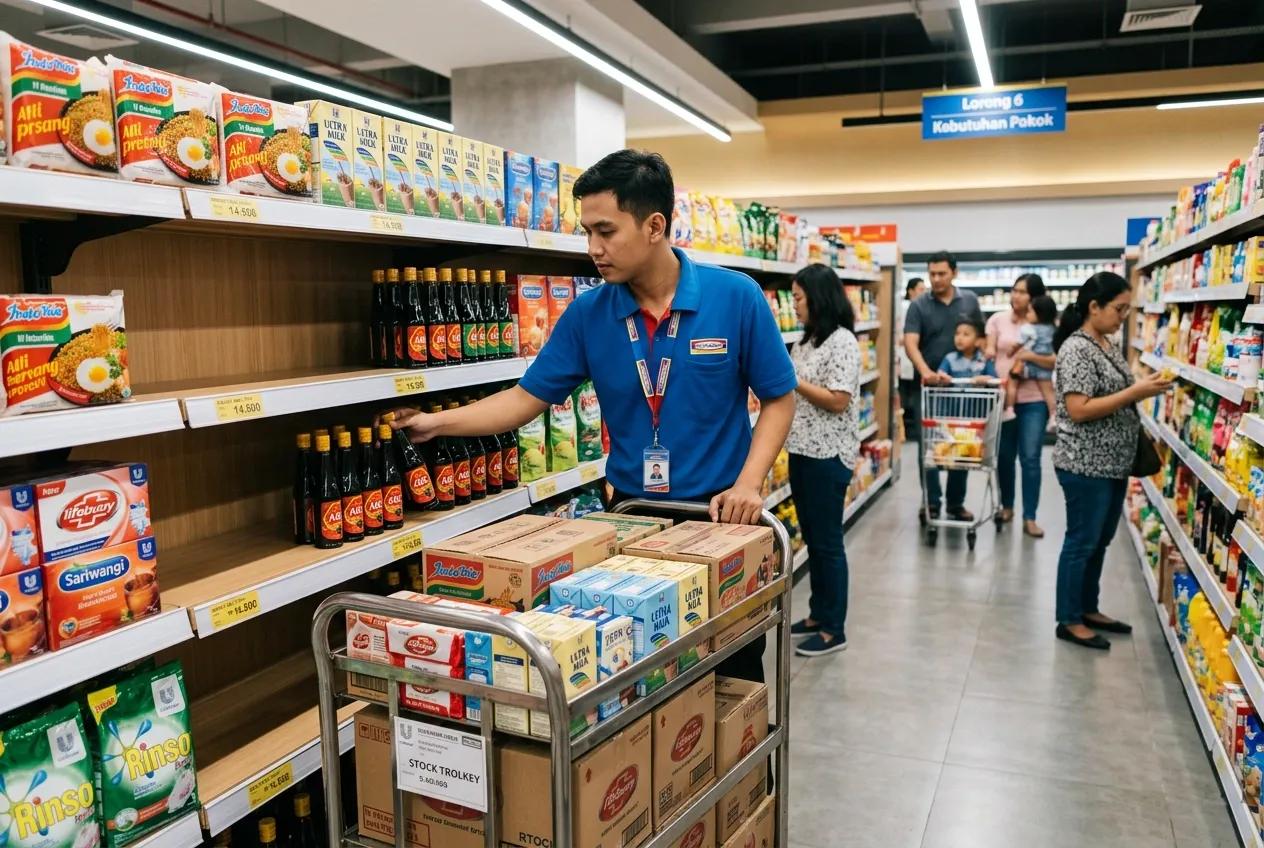
Maintaining the right inventory level is one of the biggest challenges in the supply chain. Businesses must ensure products remain available to meet customer demand while avoiding excess inventory that occupies warehouse space and increases operational costs.
Without a replenishment plan, businesses may struggle to determine when inventory should be restocked and how much inventory is needed.
What Is Replenishment Planning?
Replenishment planning is the process of determining when inventory should be replenished and how much stock should be ordered to maintain product availability across the supply chain. The goal is to keep inventory at an optimal level while avoiding stockout and excess inventory that can increase operational costs.
A well-planned replenishment process relies on factors including sales demand, inventory levels, lead times, and purchasing patterns. Through accurate replenishment planning, businesses can maintain product availability, improve inventory turnover, reduce carrying costs, and support uninterrupted business operations across warehouses, distribution centers, and retail outlets.
Why is Replenishment Planning Important?
Maintaining the right inventory level is one of the biggest challenges in supply chain management. Businesses need enough stock to meet customer demand without filling warehouses with excess inventory.
Without a clear replenishment strategy, products may sell out before new inventory arrives. Stock shortages can lead to missed sales opportunities, delayed order fulfillment, and dissatisfied customers.
Ordering too much inventory creates another challenge. Excess products occupy valuable warehouse space, increase inventory carrying costs, and raise the risk of dead stock. High inventory volumes can also cause warehouse congestion, slowing receiving, storage, picking, and shipping.
A well-planned replenishment process helps businesses maintain optimal inventory levels based on demand, lead times, and available stock. It supports product availability, improves warehouse utilization, reduces unnecessary inventory costs, and keeps fulfillment operations running efficiently.
How Does Replenishment Planning Work?
Replenishment planning relies on operational data to determine when inventory should be replenished and how much stock should be ordered. Several key factors are considered during the planning process:
- Demand Forecasting
Demand forecasting estimates future sales based on historical data, seasonal trends, promotions, and market demand. Accurate forecasts help businesses identify when inventory will need replenishment before stock levels become critical. - Inventory Movement
Inventory movement provides insight into how quickly products move through the supply chain. Analyzing inventory turnover helps identify fast-moving and slow-moving products, allowing replenishment decisions to align with actual demand. - Warehouse Inventory
Current warehouse inventory is reviewed to determine available stock before placing new purchase orders. Maintaining visibility into inventory levels helps avoid both stock shortages and excess inventory. - Lead Time
Measures the time required for inventory to arrive after a purchase order is placed. Understanding supplier lead times helps businesses schedule replenishment early enough to maintain product availability without unnecessary delays. - Distribution Flow
Distribution flow examines how inventory moves from suppliers to warehouses and finally to customers or retail outlets.
Replenishment Planning Process
The replenishment planning process consists of five key stages that help businesses maintain optimal inventory levels and ensure products remain available across the supply chain.
- Demand Forecasting
Estimate future demand based on historical sales, seasonal trends, and purchasing patterns. - Inventory Monitoring
Track current inventory levels to identify products that require replenishment. - Safety Stock Calculation
Determine the minimum inventory buffer needed to reduce the risk of stockouts. - Reorder Point
Set the inventory threshold that triggers a replenishment order. - Replenishment
Restock inventory to maintain optimal stock levels across warehouses and distribution centers.
Plan your Replenishment with BOSNET Replenishment
BOSNET replenishment helps optimize your restocking process, ensuring product availability across warehouses, distribution centers, and retail outlets. With real-time inventory visibility, businesses can maintain optimal inventory levels, reduce stock shortages, and keep fulfillment operations running efficiently
Contact us to see how BOSNET can optimize your replenishment and ensure product availability.
#BOSNET #BestFMCGRunsBOSNET #Distribution #SupplyChain #IncreaseRevenue #ReduceCost