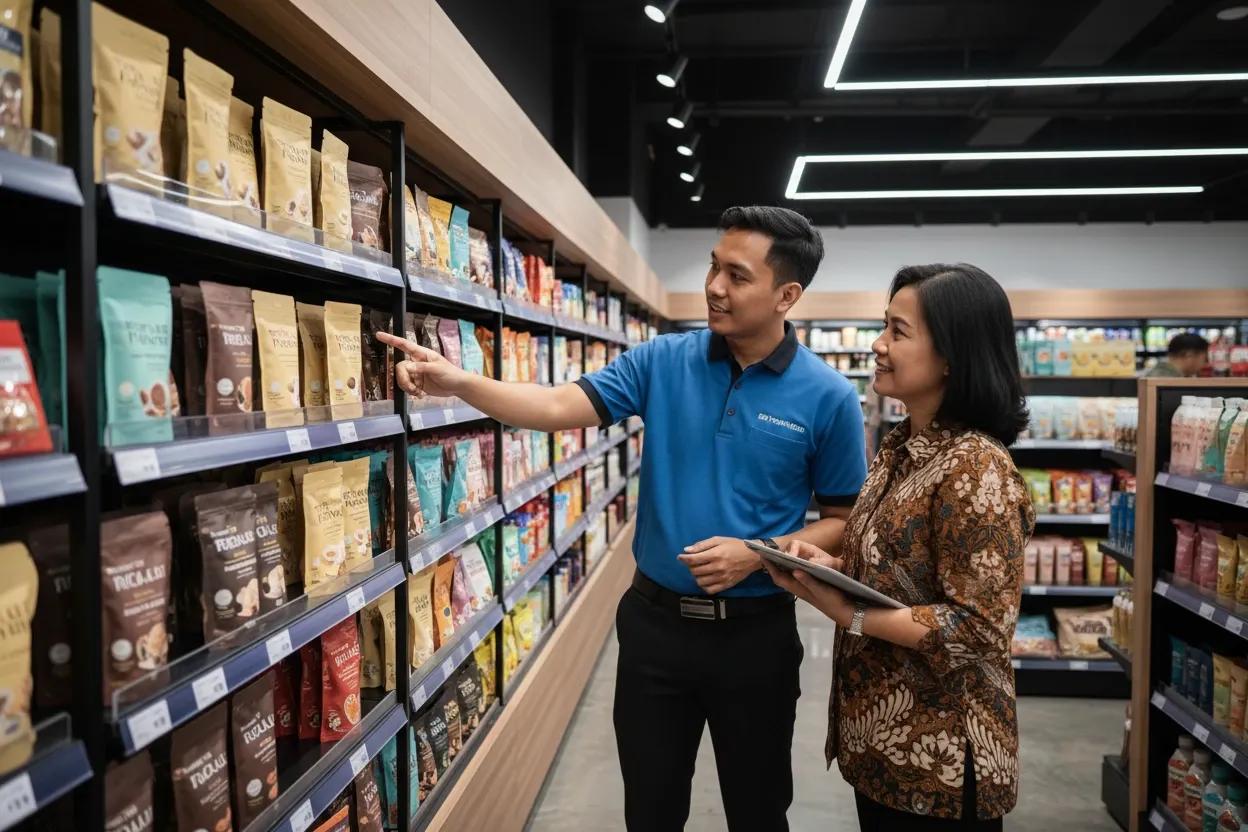
Upselling has become one of the sales strategies used by businesses to increase transaction value and provide customers with better product options. Through this approach, sales teams can recommend higher-value products that match customer needs while creating additional sales opportunities.
However, many businesses still face challenges in finding the right selling techniques to apply. A successful approach requires a clear understanding of customer preferences, product value, and the right timing to ensure recommendations remain relevant. When applied correctly, it can help businesses increase revenue while maintaining customer satisfaction.
What Is Upselling?
Upselling is a sales strategy that involves offering additional products that complement a customer’s initial purchase. The approach helps customers discover options that deliver additional value aligned with their business needs.
For example, when an outlet purchases a certain product, a salesman can offer related items that can support product availability, increase sales opportunities, or improve customer experience. An outlet purchasing beverages may be offered additional variants, larger package sizes, or complementary products that match their sales potential.
The main objective of this strategy is to increase transaction value while providing relevant solutions for customers. A successful sales approach focuses on understanding customer needs and recommending products that deliver meaningful benefits. Customers should feel satisfied with their purchase decisions because the offered products match their business goals.
Difference Between Upselling and Cross-Selling
Upselling and cross-selling are sales strategies used to increase transactions. Both approaches have different focuses based on the type of product offered.
Upselling focuses on encouraging customers to upgrade their purchase by choosing a higher-value product within the same category. For example, when an outlet purchases a standard product variant, a salesman can recommend a premium variant with additional benefits that match the outlet’s sales potential.
Cross-selling focuses on offering additional products that are related to the customer’s current purchase. The recommended products complement the main product and help customers fulfill additional needs. For example, when an outlet purchases a beverage product, a salesman can offer complementary items that can be sold together.
Benefits of Upselling for Distributors
Upselling provides several benefits for distributors, they are:
- Increase Revenue
Upselling helps distributors increase the average order value by encouraging customers to purchase higher-value products. As each transaction generates higher sales, distributors can grow revenue without relying only on new customer acquisition. - Improve Profit Margins
Premium products often deliver better profit margins than standard alternatives. When customers choose higher-value products that match their needs, distributors can increase profits. - Build Customer Loyalty
Upselling is not only about selling a higher-priced product. It is about recommending options that better match customer needs. When customers receive valuable recommendations, they are likely to return for future purchases and build long-term relationships. - Increase Average Order Value
Every customer visit is an opportunity to increase sales. Upselling encourages customers to add value to their purchases, helping distributors grow the average order value without increasing the number of orders. - Support Long-Term Business Growth
Consistent upselling helps distributors increase revenue, improve profitability, and build lasting customer relationships. Together, these benefits support sustainable business growth.
How to Optimize Upselling
- Understand Customer Needs
During store visits, sales representatives can learn about buying habits, product demand, and inventory levels. These insights help them recommend products that fit each outlet. - Personalize Every Recommendation
Every outlet has different sales patterns and purchasing habits. Analyze purchase history and customer preferences to recommend products that best match their business, rather than offering the same products to every customer. - Focus on Customer Value
Customers are more likely to accept an upsell when they understand its value. Explain how a premium product, larger pack size, or upgraded option can help improve sales, reduce replenishment frequency, or provide other business benefits. - Offer Product Bundles
Bundling related products is a simple method to increase order value. Product bundles encourage customers to purchase complementary items while receiving better value than buying each product separately. - Choose the Right Timing
Present recommendations after customers have decided on their main purchase or when they are reviewing their order. Customers are often more open to additional products at that stage. - Use Sales Data
Sales reports, purchase history, and product performance help sales teams identify the best upselling opportunities - Equip Sales Teams with the Right Software
Salesman software provides field sales access to customer history, product information, promotions, and recommended products during store visits. With better visibility, they can make relevant recommendations and respond to customer needs with confidence.
Manage and Track Upselling with BOSNET Distribution Management System (DMS)
Increase transaction value and support cross-selling activities with BOSNET Distribution Management System (DMS). Built for distribution and FMCG operations, BOSNET businesses manage and track promotional programs, bundled offers, and complementary product sales from a single platform.
Real-time visibility into inventory, product availability, and sales transactions helps teams monitor program execution and ensure promotional products are available during sales and delivery.
Contact us today to learn how BOSNET DMS can support your upselling strategy.
#BOSNET #BestFMCGRunsBOSNET #Distribution #SupplyChain #IncreaseRevenue #ReduceCost