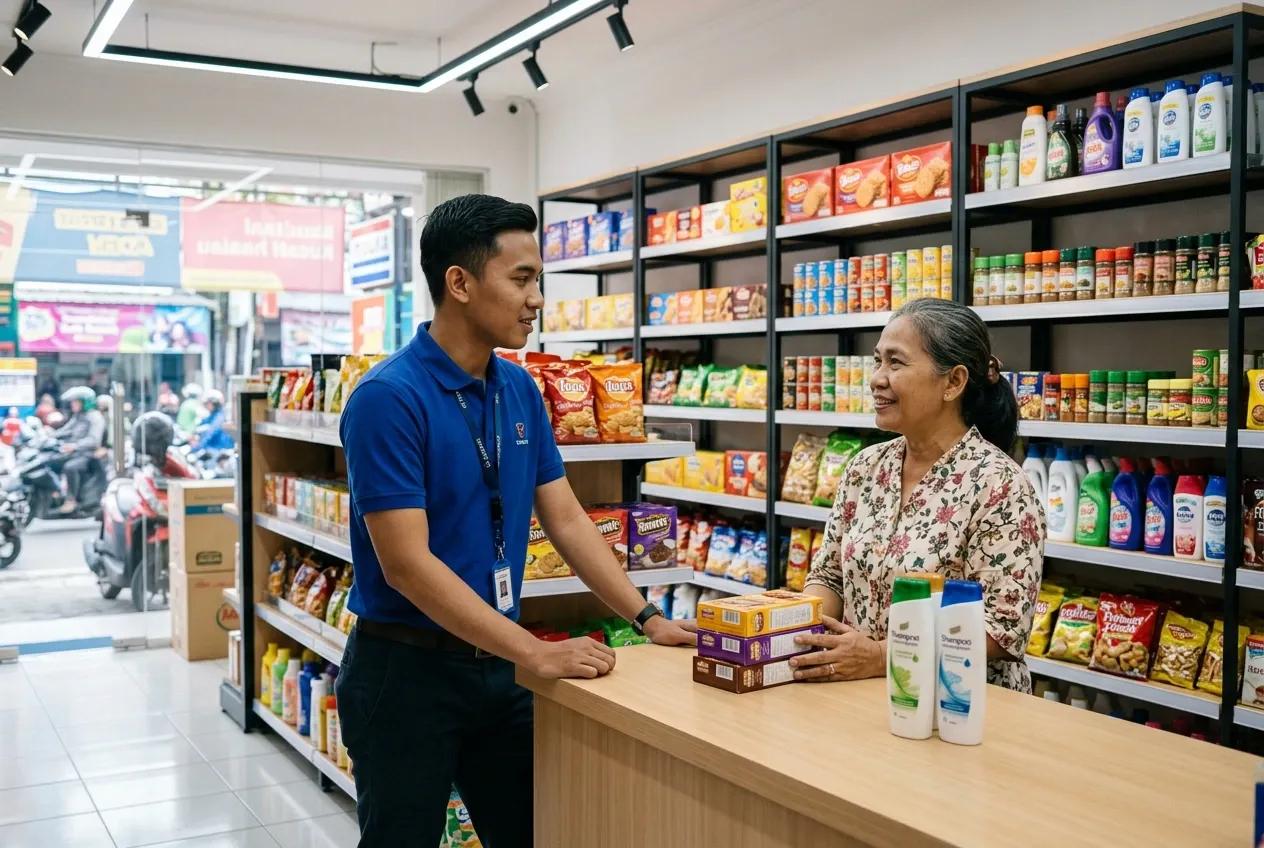
To maximize every transaction per visit, businesses need to focus on increasing their Average Order Value (AOV). Attracting customers is only part of the equation. When every transaction generates higher value, businesses can increase revenue without relying solely on acquiring new customers.
However, many businesses struggle to improve their average order value. Poor inventory management, limited upselling and cross-selling opportunities, and promotions that fail to encourage additional purchases often prevent customers from spending more in a single transaction. Identifying these challenges is the first step toward increasing average order value and improving sales performance.
What Is Average Order Value (AOV)?
Average Order Value (AOV) is a metric that measures the typical value of an order placed in your store. It shows how much revenue your business generates from each purchase.
The metric also helps businesses understand customer purchasing behavior. It reveals whether customers tend to purchase a single product or add complementary items to their orders. With that insight, businesses can identify opportunities to increase the value of each transaction.
It is also essential for evaluating the impact of promotional strategies. Businesses can use it to measure how well product bundles, upselling, and cross-selling encourage customers to spend more. Tracking the average order value over time helps identify which campaigns deliver the best results and where improvements can be made.
Formula of Average Order Value
The formula for calculating Average Order Value is simple. Divide your total revenue by the number of orders received during a specific time period.
Average Order Value = Total Revenue / Number of Orders
For example, if your business generates Rp500,000,000 in revenue from 10,000 orders in one month, the calculation is:
AOV = Rp500,000,000 / 10,000 = Rp50,000
Most businesses calculate average order value over a fixed period, such as a week, month, or quarter. Using the same time frame for every calculation makes it easier to identify trends, compare performance, and evaluate the impact of pricing or promotional campaigns.
Strategies to Increase Average Order Value
- Offer Product Bundles
Bundle related products into a single package at a better price. Product bundles encourage customers to buy additional items while increasing the value of every order. - Upselling
Recommend a premium version or a higher value alternative before customers complete their purchase. Highlighting additional features or benefits can encourage customers to choose products with a higher price. - Cross-Sell Complementary Products
Suggest products that naturally pair with the items already in the cart. For example, customers purchasing beverages may also be interested in snacks, while buyers of printers may need ink cartridges or paper. - Discounts
Encourage larger purchases with tiered pricing or quantity discounts. Promotions like "Buy 3, Get 10% Off" or discounted prices for bulk purchases motivate customers to increase their basket size. - Personalize Product Recommendations
Use customer purchase history and browsing behavior to recommend products that match their interests. Relevant recommendations can increase the likelihood of additional purchases while creating a better shopping experience.
Mistakes That Reduce Average Order Value
Here are some common mistakes businesses make that reduce the average order value:
- Relying on Heavy Discounts
Frequent price cuts can encourage customers to wait for promotions instead of purchasing higher-value products. Over time, customers may focus only on discounted items, reducing the value of each order. - Poor Inventory Management
Running out of popular products or complementary items can reduce the value of customer purchases. Keeping products available allows customers to purchase everything they need in a single transaction. Regular sales forecasting also helps businesses anticipate demand, maintain optimal inventory levels, and avoid stockouts that can reduce average order value. - Complicated Promotions
Promotions that are difficult to understand can reduce customer interest. Simple offers with clear benefits make it easier for customers to decide to purchase additional products. - Ignoring Data
Without analyzing purchasing trends, businesses may miss opportunities to create targeted promotions, recommend suitable products, or identify items that are frequently purchased together.
150+ Renowned Brands Trust BOSNET for Their Distribution
Over 150 brands rely on BOSNET to manage their distribution and sales processes efficiently. BOSNET provides an end-to-end solution for distributors to track operations, performance, and sales in real time.
Contact us to see how BOSNET can streamline your operations and deliver real-time visibility across your distribution network.
#BOSNET #BestFMCGRunsBOSNET #Distribution #SupplyChain #IncreaseRevenue #ReduceCost