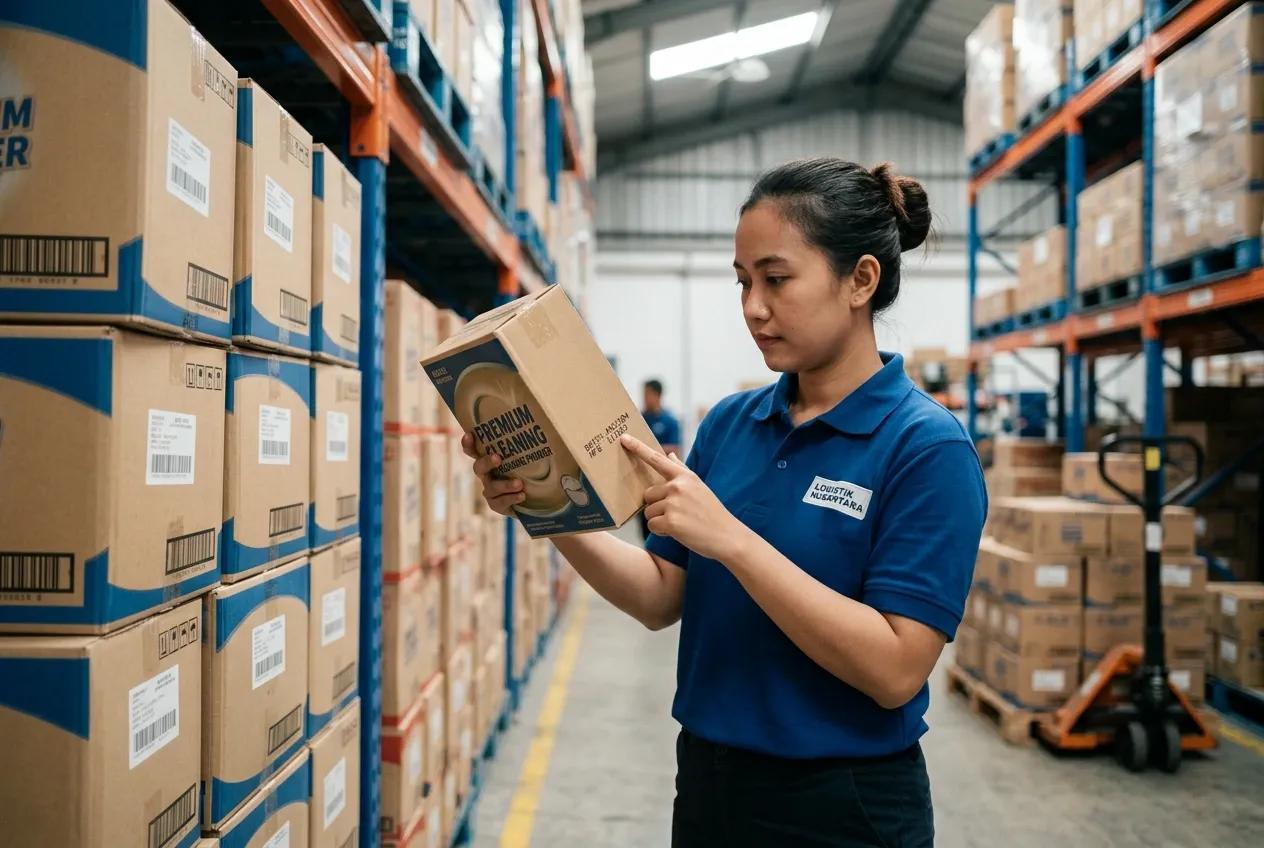
Modern warehouse operations require accurate inventory data and clear product traceability. As product volumes increase, tracking inventory becomes increasingly complex, especially when products from different batches are stored across multiple warehouse locations.
Batch numbers help businesses identify and trace products by production batch. Accurate batch records help warehouse teams locate specific batches, monitor stock movement, and respond quickly when issues occur.
Definition of Batch Number
A batch refers to a specific quantity of products manufactured during a single production process. Products within the same batch are produced using the same raw materials, production equipment, and production period.
Each batch is assigned a unique batch number, usually printed on the product or its packaging. Also known as a lot number, the code helps companies identify products and maintain inventory records from receiving through storage and distribution.
What Information Can Be Identified from a Batch Number?
A batch number contains information that helps companies identify and trace a specific group of products. The information included in the code can vary depending on the company’s system, but it commonly provides details about the production process and origin.
- Manufacturer: Identifies when the products were manufactured and helps warehouse teams monitor product age.
- Location: Identifies the factory or production facility where the products were manufactured.
- Product Information: Connects the batch to a specific product, variant, or SKU.
- Expiration Date: For products with a shelf life, batch records can be linked to expiration information to support stock rotation.
- Inventory Records: When batch numbers are recorded in a warehouse system, each batch can be connected to its quantity, storage location, stock movement, and transaction history.
Batch numbers also support traceability when a product issue occurs. Warehouse teams can identify the affected batch, check its current stock location, and review where the products have moved.
Batch Number vs Barcode (EAN)
A barcode or EAN identifies a product based on its type, variant, or packaging. It is commonly used during sales transactions, such as when a cashier scans a product at checkout. Products with the same type and variant generally have the same barcode, regardless of their production date or manufacturing location.
A batch number identifies a specific group of products from a particular production run. Products with the same barcode can have different batch numbers when they come from different production periods, facilities, or production runs.
- Barcode/EAN: Identifies the product and its variant.
- Batch Number: Identifies the production batch and provides information about when and where the product was manufactured.
Functions and Benefits of Batch Numbers
Batch numbers help businesses identify, track, and manage groups of products throughout the supply chain. The following are some of the functions and benefits of batch numbers:
- Traceability
Batch numbers help warehouse teams trace products from receiving to storage, picking, and dispatch. This process can be automated using a Warehouse Management Software (WMS), allowing teams to check where specific products are stored and how much stock remains. - Recalls
When a product issue is identified, batch numbers help companies locate the affected products. Companies can focus the recall on the affected batch instead of removing every unit of the same product from the market. - Quality Control
When an issue is found, companies can review the production records for the affected batch, check related products, and investigate where the issue occurred. - Inventory Management
Batch tracking supports stock rotation for products with expiration dates. Warehouse teams can identify which batch should be picked first based on its production or expiration date.
For products with limited shelf life, FEFO (First Expired, First Out) can help prioritize stock that will expire first. FIFO (First In, First Out) can also be applied based on the date products enter the warehouse. - Inventory Accuracy
Recording batch numbers during receiving and inventory transactions helps maintain accurate stock records. Warehouse teams can see inventory quantities based on product and batch, rather than only by SKU. - Analysis and Reports
Batch numbers provide a reference for analyzing production and supply chain data. Companies can use batch information to review production volumes, movement, quality results, and inventory records.
Batch Number Regulations
In Indonesia, the use of batch numbers varies across industries, depending on the product category and applicable regulations.
- Food and Beverage
Batch numbers identify products that come from the same production run. They can be linked to production records, including the production date and manufacturing facility, making it easier to track products throughout the supply chain. - Pharmaceutical
Batch or lot numbers are important for identifying and tracking pharmaceutical products. They are commonly displayed on medicine packaging alongside information such as product name, dosage strength, dosage form, and expiration date.
Pharmaceutical manufacturers and distributors in Indonesia must also follow applicable standards, including Cara Distribusi Obat yang Baik (CDOB). - Medical Devices
Medical devices may require batch or lot numbers to support product identification and traceability, depending on the product category and applicable regulations.
Companies handling medical devices in Indonesia must also follow relevant distribution standards, including Cara Distribusi Alat Kesehatan yang Baik (CDAKB).
Batch information can help warehouse teams identify specific products during receiving, storage, inventory checks, and distribution. - Cosmetics
Batch numbers help identify cosmetic products and connect them with production records. When quality issues or consumer complaints arise, companies can use the information to trace the relevant production batch.
Streamline Batch Number Tracking with BOSNET Warehouse Management System (WMS)
BOSNET Warehouse Management System helps businesses manage stock across the warehouse. By automating inventory processes and providing real-time visibility, businesses can identify products faster, track stock movement accurately, and maintain records across multiple warehouse locations.
With its self-correcting system, BOSNET Warehouse Management System automatically updates inventory records based on the latest physical activity, delivering precise data for smarter decision-making and helping FMCG businesses increase revenue and reduce costs.
Contact us to see how BOSNET can efficiently manage your warehouse.
#BOSNET #BestFMCGRunsBOSNET #Distribution #SupplyChain #IncreaseRevenue #ReduceCost